Kirjojen hintavertailu – 12 903 735 kirjaa ja 27 kauppaa

Kirjailija

David Alton

Kirjat ja teokset yhdessä paikassa: 6 kirjaa, julkaisuja vuosilta 2013–2023, suosituimpiin kuuluu State Responses to Crimes of Genocide. Vertaile teosten hintoja ja tarkista saatavuus suomalaisista kirjakaupoista.

6 kirjaa

Kirjojen julkaisuvuodet: 2013–2023.

State Responses to Crimes of Genocide

State Responses to Crimes of Genocide

Ewelina U. Ochab; David Alton

Springer Nature Switzerland AG
2023
nidottu
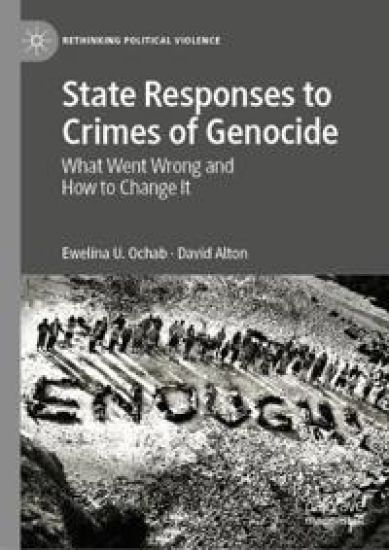
At the time of drafting the UN Convention on the Prevention and Punishment of the Crime of Genocide (Genocide Convention), the drafters were hopeful that the document will be the response needed to ensure that the world would never again witness such atrocities as committed by the Nazi regime. While, arguably, there has been no such great loss of human lives as during WWII, genocidal incidents have and still take place. After WWII, we have witnessed the genocides in Cambodia, Rwanda, Bosnia, Darfur, to name only a few. The responses to these atrocities have always been inadequate. Every time the world leaders would come together to renew their promise of ‘Never Again’. However, the promise has never materialised. In 2014, Daesh unleashed genocide against religious minorities in Syria and Iraq. Before the world managed to shake off from the atrocities, in 2016, the Burmese military launched a genocidal campaign against the Rohingya Muslims in Myanmar. This was followed by reports ofever-growing atrocities against Christian minorities in Nigeria. Without waiting too long, in 2018, China proceeded with its genocidal campaign against the Uyghur Muslims. In 2020, the Tigrayans became the victims of ethnic targeting. Five cases of mass atrocities that, in the space of just five years, all easily meet the legal definition of genocide. Again, the response that followed each case has been inadequate and unable to make a difference to the targeted communities. This legacy does not give much hope for the future. The question that this books hopes to address is what needs to change to ensure that we are better equipped to address genocide and prevent the crime in the future.
The China Nexus

The China Nexus

Benedict Rogers; David Alton; Nathan Law

Optimum Publishing International
2022
sidottu
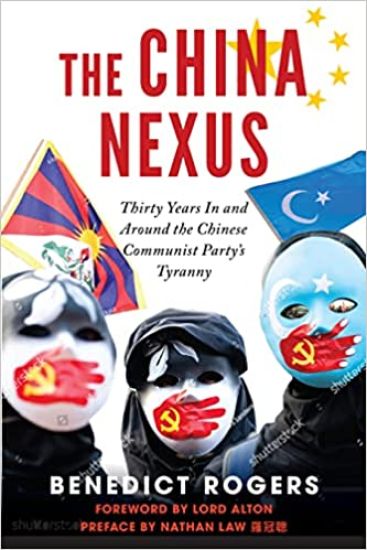
Benedict Rogers first went to China at age 18 to teach English for six months in Qingdao (1992), three years after the Tiananmen Square massacre. That opened the door to a thirty-year adventure with China, from teaching English in schools and hospitals to working as a journalist in Hong Kong documenting the plight of refugees escaping from Beijing-backed satellite dictatorships and then campaigning for human rights in China. In 2017, on the orders of Beijing, he was denied entry to Hong Kong, 20 years after he had moved to the city and began his working life as a journalist and activist. This book tells the story of his fight for freedom for the peoples of China and neighbouring countries Myanmar and North Korea and sets out how a global movement for human rights in China is emerging and what the free world should do next. It describes the importance of the "China Nexus" in the author's journey and geopolitics and its challenges. Pioneering international inquiries into forced organ harvesting from prisoners of conscience, the genocide of the Uyghurs and global action for Hong Kong, as well as highlighting the Vatican's silence, the author has been at the heart of advocacy for human rights in China in recent years. Rogers takes the readers on a journey through some of the leaders and participants in the Human rights activities that China has suppressed since its inception in 1949. He goes on to dispute and lays to rest all of the specious claims by the tyrants in Beijing that all Chinese citizens are equal and are afforded human and civil rights. Currently, the regime is engaged in re-education, cultural assimilation, and multiple genocides, leading to better citizens for China and the world if one believes Chinese officials.
The China Nexus

The China Nexus

Benedict Rogers; David Alton; Nathan Law

Optimum Publishing International
2022
nidottu
Benedict Rogers first went to China at age 18 to teach English for six months in Qingdao (1992), three years after the Tiananmen Square massacre. That opened the door to a thirty-year adventure with China, from teaching English in schools and hospitals to working as a journalist in Hong Kong documenting the plight of refugees escaping from Beijing-backed satellite dictatorships and then campaigning for human rights in China. In 2017, on the orders of Beijing, he was denied entry to Hong Kong, 20 years after he had moved to the city and began his working life as a journalist and activist. This book tells the story of his fight for freedom for the peoples of China and neighbouring countries Myanmar and North Korea and sets out how a global movement for human rights in China is emerging and what the free world should do next. It describes the importance of the "China Nexus" in the author's journey and geopolitics and its challenges. Pioneering international inquiries into forced organ harvesting from prisoners of conscience, the genocide of the Uyghurs and global action for Hong Kong, as well as highlighting the Vatican's silence, the author has been at the heart of advocacy for human rights in China in recent years. Rogers takes the readers on a journey through some of the leaders and participants in the Human rights activities that China has suppressed since its inception in 1949. He goes on to dispute and lays to rest all of the specious claims by the tyrants in Beijing that all Chinese citizens are equal and are afforded human and civil rights. Currently, the regime is engaged in re-education, cultural assimilation, and multiple genocides, leading to better citizens for China and the world if one believes Chinese officials.
State Responses to Crimes of Genocide

State Responses to Crimes of Genocide

Ewelina U. Ochab; David Alton

Springer Nature Switzerland AG
2022
sidottu
At the time of drafting the UN Convention on the Prevention and Punishment of the Crime of Genocide (Genocide Convention), the drafters were hopeful that the document will be the response needed to ensure that the world would never again witness such atrocities as committed by the Nazi regime. While, arguably, there has been no such great loss of human lives as during WWII, genocidal incidents have and still take place. After WWII, we have witnessed the genocides in Cambodia, Rwanda, Bosnia, Darfur, to name only a few. The responses to these atrocities have always been inadequate. Every time the world leaders would come together to renew their promise of ‘Never Again’. However, the promise has never materialised. In 2014, Daesh unleashed genocide against religious minorities in Syria and Iraq. Before the world managed to shake off from the atrocities, in 2016, the Burmese military launched a genocidal campaign against the Rohingya Muslims in Myanmar. This was followed by reports ofever-growing atrocities against Christian minorities in Nigeria. Without waiting too long, in 2018, China proceeded with its genocidal campaign against the Uyghur Muslims. In 2020, the Tigrayans became the victims of ethnic targeting. Five cases of mass atrocities that, in the space of just five years, all easily meet the legal definition of genocide. Again, the response that followed each case has been inadequate and unable to make a difference to the targeted communities. This legacy does not give much hope for the future. The question that this books hopes to address is what needs to change to ensure that we are better equipped to address genocide and prevent the crime in the future.
Building Bridges

Building Bridges

David Alton; Rob Chidley

Lion Books
2013
pokkari
How much do you know about North Korea? Depending on whom you ask, the Democratic People's Republic of Korea (DPRK) is an international laughing-stock, a terrifying nuclear-powered war machine, or a humanitarian crisis of nightmarish proportion. For David Alton, the DPRK is Asia's tragic and prodigal son, long overdue 'coming in from the cold' and returning to the embrace of the international community. The obstacles are gigantic and the record of human suffering is almost beyond description, yet there is still hope for a better future - if only the political and military powers have the courage to seize it. In this book, David Alton and Rob Chidley paint a practical and compassionate picture of North Korea, from the earliest history to the tragic division and right up to the present day. In doing so, they present a North Korea that we can understand, approach, and reach out to with a glimmer of hope.