Kirjailija
David Baggett
Kirjat ja teokset yhdessä paikassa: 14 kirjaa, julkaisuja vuosilta 2011–2026, suosituimpiin kuuluu Reasonable Moral Faith. Vertaile teosten hintoja ja tarkista saatavuus suomalaisista kirjakaupoista.
14 kirjaa
Kirjojen julkaisuvuodet: 2011–2026.
In Reasonable Moral Faith, distinguished philosophers David Baggett and William Lane Craig present a comprehensive case for how moral evidence supports theistic belief. This rigorous yet accessible volume traces the rich intellectual history of moral arguments from ancient Greek philosophy to contemporary scholarship, providing students and scholars with essential background on this vital apologetic tradition. The authors then develop a robust defense of moral realism before constructing their innovative five-fold inductive moral argument for God's existence. Drawing on objective moral values, authoritative duties, moral knowledge, and Kantian moral faith, Baggett and Craig demonstrate how theism--and particularly Christianity--provides a compelling explanation for our moral experience. Their argument addresses fundamental human needs for forgiveness, transformation, and the ultimate alignment of virtue with happiness. Integrating insights from philosophy and theology, Reasonable Moral Faith offers a valuable resource for upper-level college students, seminarians, and scholars seeking to understand how ethical reflection can inform questions of ultimate reality. This work demonstrates the evidential power of morality for theistic belief.
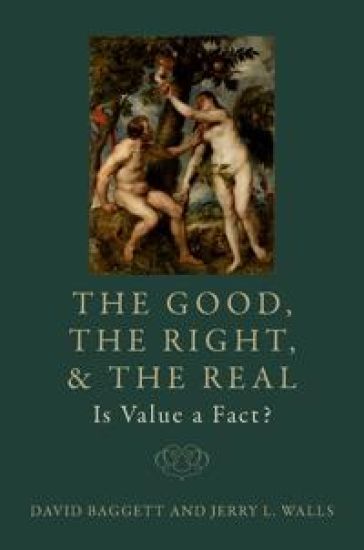
The Good, the Right, and the Real: Is Value a Fact?
David Baggett; Jerry L. Walls
Oxford University Press
2025
nidottu
The Good, the Right, and the Real: Is Value a Fact?
David Baggett; Jerry L. Walls
Oxford University Press
2025
sidottu
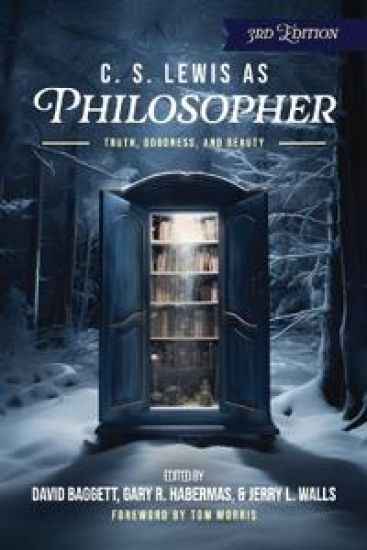
C. S. Lewis as Philosopher
Jerry L Walls; David Baggett
High Bridge Books
2024
pokkari
Halvin toimitettuna 31,20 €
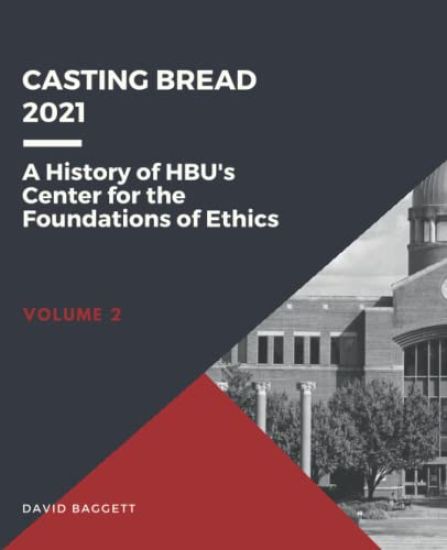
The Center for the Foundations of Ethics at HBU aims to facilitate and promote quality scholarly work on a variety of moral arguments for God's existence; to equip believers and local churches-chaplains and counselors, pastors and laypeople-to use the argument(s) in their evangelistic outreach; to generate curricula to make those resources readily available at every educational level; to publish and promote work that advances the agenda of moral apologetics through Moral Apologetics Press; and to make HBU the epicenter of cutting-edge work in the promotion and promulgation of the moral argument for the God of classical theism generally and Christianity particularly. The Center for the Foundations of Ethics at HBU supports and publicly advances an interdisciplinary community of scholars dedicated to exploring and answering an array of questions that arise concerning moral evidence for God's existence and essential goodness.
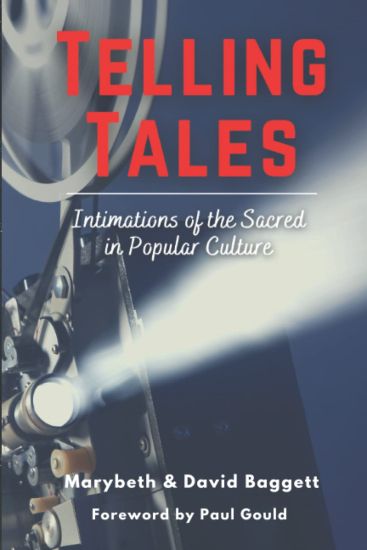
Telling Tales is a distillation of twenty years' worth of forays reflecting on popular culture through the lens of faith and reason, literature and philosophy. Recurring and integrating motifs running through the volume include the character of God and the nature and value of people, winsomely explored with a light touch. Canvassing pop culture artifacts as diverse as Harry Potter and Firefly, these reflections challenge readers to look closer and attend to inchoate echoes of the sacred in the otherwise familiar.
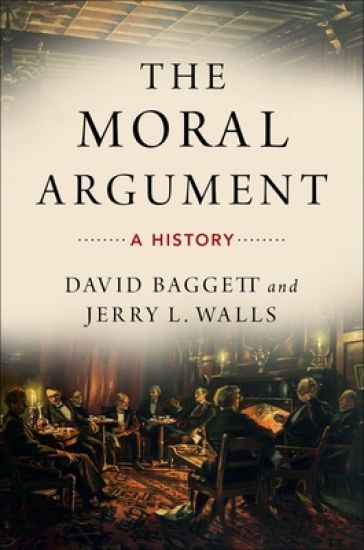
The history of the moral argument for the existence of God is a fascinating tale. Like any good story, it is full of twists and unexpected turns, compelling conflicts, memorable and idiosyncratic characters, both central and ancillary players. The narrative is as labyrinthine and circuitous as it is linear, its point yet to be fully seen, and its ending yet to be written. What remains certain is the importance of telling it. The resources of history offer a refresher course, a teachable moment, a cautionary tale about the need to avoid making sacrosanct the trends of the times, and an often sobering lesson in why reigning assumptions may need to be rejected. This book lets the argument's advocates, many long dead, come alive again and speak for themselves. A historical study of the moral argument is a reminder that classical philosophers were unafraid to ask and explore the big questions of faith, hope, and love; of truth, goodness, and beauty; of God, freedom, and immortality. It gives students and scholars alike the chance to drill down into their ideas, contexts, and arguments. Only by a careful study of its history can we come to see its richness and the range of resources it offers.
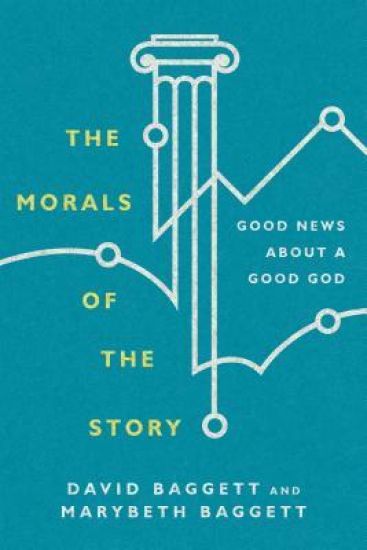
The Morals of the Story – Good News About a Good God
David Baggett; Marybeth Baggett
IVP Academic
2018
nidottu
>Christianity Today 2019 Book of the Year Award of Merit, Apologetics/Evangelism What arguments best support the existence of God? For centuries the moral argument—that objective morality points to the existence of God—has been a powerful apologetic tool. In this volume, David and Marybeth Baggett offer a dramatic, robust, and even playful version of the moral argument. Tracing both its historical importance and its contemporary relevance, they argue that it not only still points to God's existence but that it also contributes to our ongoing spiritual transformation.
Naturalistic ethics is the reigning paradigm among contemporary ethicists; in God and Cosmos, Baggett and Walls argue that this approach is seriously flawed. This book canvasses a broad array of secular and naturalistic ethical theories in an effort to test their adequacy in accounting for moral duties, intrinsic human value, prospects for radical moral transformation, and the rationality of morality. In each case, the authors argue, although various secular accounts provide real insights and indeed share common ground with theistic ethics, the resources of classical theism and orthodox Christianity provide the better explanation of the moral realities under consideration. Among such realities is the fundamental insight behind the problem of evil, namely, that the world is not as it should be. Baggett and Walls argue that God and the world, taken together, exhibit superior explanatory scope and power for morality classically construed, without the need to water down the categories of morality, the import of human value, the prescriptive strength of moral obligations, or the deliverances of the logic, language, and phenomenology of moral experience. This book thus provides a cogent moral argument for God's existence, one that is abductive, teleological, and cumulative.
Moral arguments for God's existence have undergone something of a resurgence in recent years. For quite a while they were out of vogue for a variety of reasons, but recent advances in the philosophy of language and philosophical and natural theology have reinvigorated moral apologetics. This is the first book to consolidate these gains into one coherent treatment, which will rigorously demonstrate to a wide readership how effectively various objections to moral apologetics have been answered. The authors show how strides in answering the problem of evil, the Euthyphro Dilemma, and epistemic vacuity and arbitrariness challenges to theistic ethics make possible a compelling cumulative moral argument that can greatly contribute to the rational case for God's existence--and God's goodness. The authors hope to reach a readership of not just philosophers, apologists, and theologians, but bright college students up through graduate school and beyond. Christians and non-Christians alike, those interested in apologetics, moral theology, atheology, and morality and religious ethics should find the book a significant contribution to their field.