Kirjojen hintavertailu – 12 859 827 kirjaa ja 27 kauppaa
Kirjailija
David Berger
Kirjat ja teokset yhdessä paikassa: 32 kirjaa, julkaisuja vuosilta 1899–2022, suosituimpiin kuuluu Task Force: Gaea: Finding Balance. Vertaile teosten hintoja ja tarkista saatavuus suomalaisista kirjakaupoista.
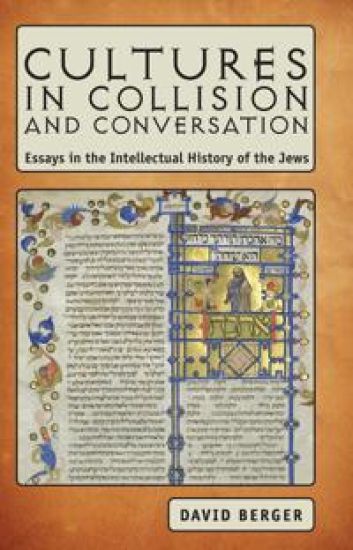
In Cultures in Collision and Conversation, David Berger addresses three broad themes in Jewish intellectual history: Jewish approaches to cultures external to Judaism and the controversies triggered by this issue in medieval and modern times; the impact of Christian challenges and differing philosophical orientations on Jewish interpretation of the Bible; and Messianic visions, movements, and debates from antiquity to the present. These essays include a monograph-length study of Jewish attitudes toward general culture in medieval and early modern times, analyses of the thought of Maimonides and Nahmanides, an assessment of the reactions to the most recent messianic movement in Jewish history, and reflections on the value of the academic study of Judaism.
""Approaching Subud: Ten Talks"" is a book written by John Godolphin Bennett, a British philosopher, mathematician, and mystic. The book contains ten lectures given by Bennett on the spiritual movement known as Subud, which was founded in Indonesia in the 1920s. In these talks, Bennett explores the origins and principles of Subud, as well as its practices and their results. He also discusses the role of the individual in the spiritual journey and the importance of surrendering to a higher power. The book is written in a clear and accessible style, making it suitable for both those familiar with Subud and those new to the movement. It offers insights into the nature of spiritual transformation and the potential for personal growth through spiritual practice. Overall, ""Approaching Subud: Ten Talks"" is a valuable resource for anyone interested in exploring the teachings and practices of this unique and transformative spiritual movement. And A Discussion With Steve Allen. This scarce antiquarian book is a facsimile reprint of the old original and may contain some imperfections such as library marks and notations. Because we believe this work is culturally important, we have made it available as part of our commitment for protecting, preserving, and promoting the world's literature in affordable, high quality, modern editions, that are true to their original work.
"Persecution, Polemic, and Dialogue" follows the interaction between Jews and Christians through the ages in all its richness, complexity, and diversity. This collection of essays analyze anti-Semitism, perceptions of the Other, and religious debates in the Middle Ages and proceed to consider modern and contemporary interactions, which are marked by both striking continuity and profound difference. These include controversies among historians, the promise and challenge of interfaith dialogue, and the explosive exchanges surrounding Mel Gibson's film on the passion. This volume will engage scholars, students, and any reader intrigued by one of the longest and most fraught intergroup relationships in history.
This is an important new monograph on an overlooked aspect of Kant's aesthetic theory, presenting an innovative approach to one of modern philosophy's greatest works. Taste is ordinarily thought of in terms of two very different idioms - a normative idiom of taste as a standard of appraisal and a non-normative idiom of taste as a purely personal matter. Kant attempts to capture this twofold conception of taste within the terms of his mature critical philosophy by distinguishing between the beautiful and the agreeable. Scholars have largely taken Kant's distinction for granted, but David Berger argues that it is both far richer and far more problematic than it may appear. Berger examines in detail Kant's various attempts to distinguish beauty from agreeableness. This approach reveals the complex interplay between Kant's substantive aesthetic theory and his broader views on metaphysics and epistemology. Indeed, Berger argues that the real interest of Kant's distinction between beauty and agreeableness is ultimately epistemological. His interpretation brings Kant's aesthetic theory into dialogue with questions at the heart of contemporary analytic philosophy and shows how philosophical aesthetics can offer fresh insights into contemporary philosophical debates.
This book is a history, an indictment, a lament, and an appeal, focusing on the messianic trend in Lubavitch hasidism. It demonstrates how hasidim who affirm the dead Rebbe's messiahship have abandoned one of Judaism's core beliefs in favour of adherence to the doctrine of a second coming. At the same time, it decries the remarkable equanimity with which the standard-bearers of Orthodoxy have granted legitimacy to this development by continuing to recognize such believers as Orthodox Jews in good standing. This dramatic abandonment of the age-old Jewish resistance to a quintessentially Christian belief is a development of striking importance for the history of religions, and it is an earthquake in the history of Judaism. David Berger chronicles the unfolding of this development from a personal viewpoint. He describes the growing concern that impelled him to undertake an anti-messianist campaign-publications, correspondence, and the sponsorship of a Rabbinical Council of America resolution excluding this belief from authentic Judaism. He argues that a large number, almost certainly a substantial majority, of Lubavitch hasidim believe in the Rebbe's messiahship; a significant segment, including educators in the central institutions of the movement, maintain a theology that goes beyond posthumous messianism to the affirmation that the Rebbe is pure divinity. While many Jews see Lubavitch as a marginal phenomenon, its influence is in fact growing at a remarkable rate-to the point where its representatives are poised to dominate Orthodox religious institutions not merely in isolated outposts but in several major countries throughout the world. This book analyses the boundaries of Judaism's messianic faith and its conception of God. It assesses the threat posed by the messianists of Lubavitch and points to the consequences, ranging from undermining a fundamental argument against the Christian mission to calling into question the kosher status of many foods and ritual objects prepared under Lubavitch supervision. Finally, it proposes a strategy to protect authentic Judaism from this assault.
Als Thomismus bezeichnet man die Philosophie und Theologie des heiligen Kirchenlehrers Thomas von Aquin (1224-1274) und seiner großen Schüler. Kein Denken ist seit vielen Jahrhunderten so eng mit dem Katholizismus verbunden wie jenes des Thomismus. Und trotzdem: Wer sich auf dem aktuellen deutsch-sprachigen Buchmarkt nach einer Einführung in den Thomismus umsieht, der wird sehr schnell bemerken, dass es eine solche nicht gibt. Das vorliegende Buch möchte damit beginnen, diese Lücke zu schließen, indem es eine wissenschaftliche und dennoch allgemein verständliche Einleitung in große Leitmotive der thomistischen Synthese gibt. Keinem Pulverdampf längst vergangener Schlachten, keiner sentimentalen Nostalgie soll hier gehuldigt werden. Vielmehr versucht das Buch - neben der systematischen Darstellung der großen Grundprinzipien des Thomismus und ihres historischen Kontexts - auch zu zeigen, wie aktuell der Thomismus strikter Observanz gerade heute ist. Es ist von der festen Überzeugung getragen, dass die Päpste mit ihrem bis zur Stunde allzu oft überhörten Ruf: Ite ad Thomam - Geht zu Thomas! Theologie und Kirche einen fruchtbaren Weg in die Zukunft gezeigt haben.