Kirjojen hintavertailu – 12 903 725 kirjaa ja 27 kauppaa

Kirjailija

David Buckingham

Kirjat ja teokset yhdessä paikassa: 26 kirjaa, julkaisuja vuosilta 1994–2026, suosituimpiin kuuluu The End of Information. Vertaile teosten hintoja ja tarkista saatavuus suomalaisista kirjakaupoista.

26 kirjaa

Kirjojen julkaisuvuodet: 1994–2026.

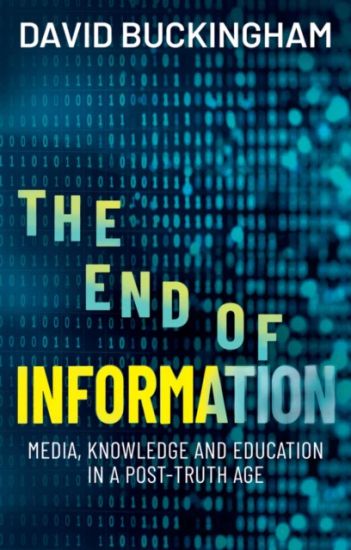
The End of Information

The End of Information

David Buckingham

JOHN WILEY AND SONS LTD
2026
nidottu
Are we really living in a 'post-truth age'? Have ideas like information, knowledge and truth passed their sell-by date? Is 'information disorder' leading to the terminal decline of democracy? Or will fact-checkers, media regulators and educators come to the rescue? The End of Information cuts through the exaggerated claims that have been made about these issues. Interrogating the key terms in the debate, including trust, democracy, news, and information itself, the book offers a clear-eyed evaluation of potential solutions to the problem. It also considers the implications for education, in relation to key issues like literacy and knowledge. It argues that we need to look, not just at the symptoms of information disorder, but also at their wider political and economic causes; and it suggests that these will not be amenable to a simple 'information fix'. Accessibly written by a leading scholar in the field, this book provides a clear introduction to the information disorders of our times, and some fresh thinking about how they might be addressed. Concise, engaging and incisive, it is essential reading for students, scholars and teachers alike.
The End of Information

The End of Information

David Buckingham

JOHN WILEY AND SONS LTD
2026
sidottu
Are we really living in a 'post-truth age'? Have ideas like information, knowledge and truth passed their sell-by date? Is 'information disorder' leading to the terminal decline of democracy? Or will fact-checkers, media regulators and educators come to the rescue? The End of Information cuts through the exaggerated claims that have been made about these issues. Interrogating the key terms in the debate, including trust, democracy, news, and information itself, the book offers a clear-eyed evaluation of potential solutions to the problem. It also considers the implications for education, in relation to key issues like literacy and knowledge. It argues that we need to look, not just at the symptoms of information disorder, but also at their wider political and economic causes; and it suggests that these will not be amenable to a simple 'information fix'. Accessibly written by a leading scholar in the field, this book provides a clear introduction to the information disorders of our times, and some fresh thinking about how they might be addressed. Concise, engaging and incisive, it is essential reading for students, scholars and teachers alike.

Developing Media Literacy in Young Adults

Developing Media Literacy in Young Adults

David Buckingham; Andrew Burn; Becky Parry; Mandy Powell

Routledge
2023
nidottu
What are children of different ages capable of understanding about media? How does their learning develop over time? How can their learning about one aspect of media impact upon their learning about other areas? Developing Media Literacy is a succinct introduction to contemporary approaches to media education. Underpinned by the findings of a major research study into children’s media literacy, it offers clear accounts of the key areas of the media curriculum, extensive evidence about children’s changing cultural experiences, and engaging exploration of effective classroom practice and children’s media work. It covers a wide range of media themes and topics such as advertising, horror films, celebrity, news, computer games and popular television and is illustrated throughout by examples of students’ media productions. Key issues considered include: Rationales for media teaching What and how children might learn about media at different ages Understanding media language, representation, institutions and audiences Changing ideas about young people’s relationships with media Differences between students’ and teachers’ media experiences and preferences Media education and broader theories of learning Curriculum design and assessment. Written by leading, internationally recognised researchers in the field, this new title will be essential reading for all teachers, students and researchers interested in the development of media education.
Developing Media Literacy in Young Adults

Developing Media Literacy in Young Adults

David Buckingham; Andrew Burn; Becky Parry; Mandy Powell

Routledge
2023
sidottu
What are children of different ages capable of understanding about media? How does their learning develop over time? How can their learning about one aspect of media impact upon their learning about other areas? Developing Media Literacy is a succinct introduction to contemporary approaches to media education. Underpinned by the findings of a major research study into children’s media literacy, it offers clear accounts of the key areas of the media curriculum, extensive evidence about children’s changing cultural experiences, and engaging exploration of effective classroom practice and children’s media work. It covers a wide range of media themes and topics such as advertising, horror films, celebrity, news, computer games and popular television and is illustrated throughout by examples of students’ media productions. Key issues considered include: Rationales for media teaching What and how children might learn about media at different ages Understanding media language, representation, institutions and audiences Changing ideas about young people’s relationships with media Differences between students’ and teachers’ media experiences and preferences Media education and broader theories of learning Curriculum design and assessment. Written by leading, internationally recognised researchers in the field, this new title will be essential reading for all teachers, students and researchers interested in the development of media education.
Youth on Screen

Youth on Screen

David Buckingham

Polity Press
2021
nidottu
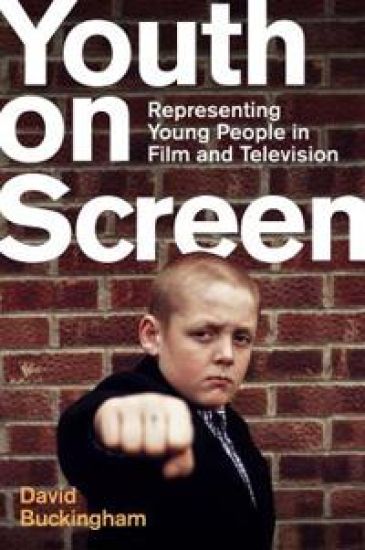
Right from the origins of cinema, countless films and television dramas have offered sensational and seductive representations of young people's lives. Youth is typically associated with energy, idealism and physical beauty, but it is often represented as both troubled and troubling. These representations are almost always created by adults, implicitly reflecting an adult perspective on how young people 'come of age'. Youth on Screen provides a historical account of representations of youth in Britain and the United States, stretching back over seventy years. From Blackboard Jungle to This is England, and from Jailhouse Rock to Skins, it covers a range of classics, as well as some intriguing obscurities. Engagingly written and clearly organized, it offers a perfect introduction for students and general readers.
Youth on Screen

Youth on Screen

David Buckingham

Polity Press
2021
sidottu
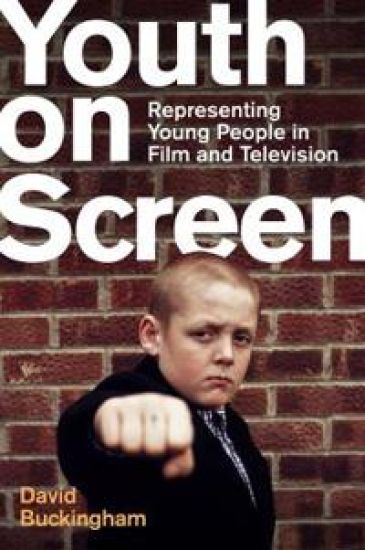
Right from the origins of cinema, countless films and television dramas have offered sensational and seductive representations of young people's lives. Youth is typically associated with energy, idealism and physical beauty, but it is often represented as both troubled and troubling. These representations are almost always created by adults, implicitly reflecting an adult perspective on how young people 'come of age'. Youth on Screen provides a historical account of representations of youth in Britain and the United States, stretching back over seventy years. From Blackboard Jungle to This is England, and from Jailhouse Rock to Skins, it covers a range of classics, as well as some intriguing obscurities. Engagingly written and clearly organized, it offers a perfect introduction for students and general readers.
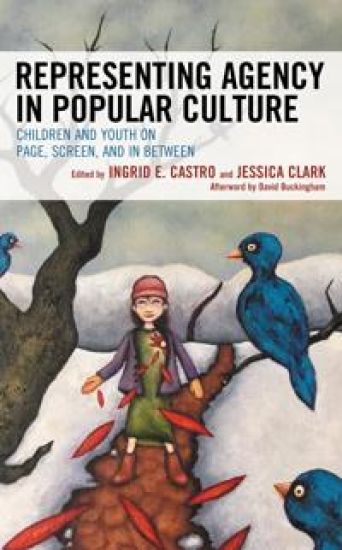
Representing Agency in Popular Culture

Representing Agency in Popular Culture

David Buckingham

Lexington Books
2021
nidottu
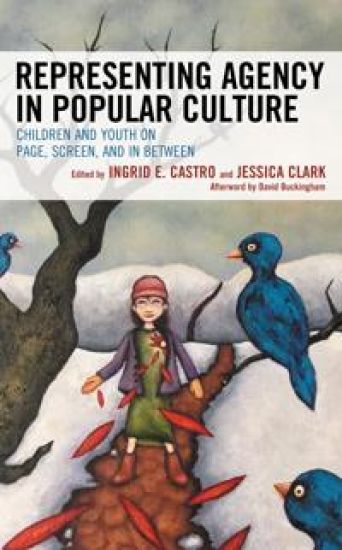
Representing Agency in Popular Culture: Children and Youth on Page, Screen and In-Between addresses the intersection of children’s and youth’s agency and popular culture. As scholars in childhood studies and beyond seek to expand understandings of agency, power, and voice in children’s lives, this book places popular culture and representation as central to this endeavor. Core themes of family, gender, temporality, politics, education, technology, disability, conflict, identity, ethnicity, and friendship traverse across the chapters, framed through various film, television, literature, and virtual media sources. Here, childhood is considered far from homogeneous and the dominance of neoliberal models of agency is questioned by intersectional and intergenerational analyses. This book posits there is vast power in popular culture representations of children’s agency, and interrogation of these themes through interdisciplinary lenses is vital to furthering knowledge and understanding about children’s lives and within childhood studies.
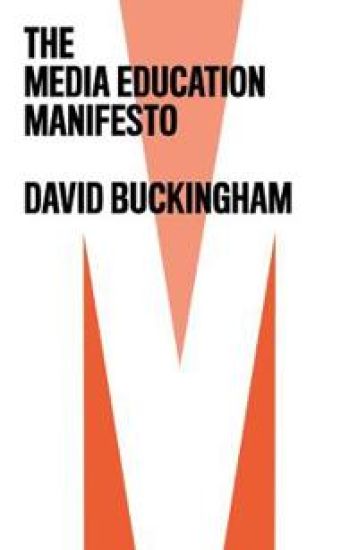
The Media Education Manifesto

The Media Education Manifesto

David Buckingham

Polity Press
2019
nidottu
In the age of social media, fake news and data-driven capitalism, the need for critical understanding is more urgent than ever. Half-baked ideas about ‘media literacy’ will lead us nowhere: we need a comprehensive and coherent educational approach. We all need to think critically about how media work, how they represent the world, and how they are produced and used. In this manifesto, leading scholar David Buckingham makes a passionate case for media education. He outlines its key aims and principles, and explores how it can and should be updated to take account of the changing media environment. Concise, authoritative and forcefully argued, The Media Education Manifesto is essential reading for anyone involved in media and education, from scholars and practitioners to students and their parents.
The Media Education Manifesto

The Media Education Manifesto

David Buckingham

Polity Press
2019
sidottu
In the age of social media, fake news and data-driven capitalism, the need for critical understanding is more urgent than ever. Half-baked ideas about ‘media literacy’ will lead us nowhere: we need a comprehensive and coherent educational approach. We all need to think critically about how media work, how they represent the world, and how they are produced and used. In this manifesto, leading scholar David Buckingham makes a passionate case for media education. He outlines its key aims and principles, and explores how it can and should be updated to take account of the changing media environment. Concise, authoritative and forcefully argued, The Media Education Manifesto is essential reading for anyone involved in media and education, from scholars and practitioners to students and their parents.
Representing Agency in Popular Culture

Representing Agency in Popular Culture

David Buckingham

Lexington Books
2018
sidottu
Representing Agency in Popular Culture: Children and Youth on Page, Screen and In-Between addresses the intersection of children’s and youth’s agency and popular culture. As scholars in childhood studies and beyond seek to expand understandings of agency, power, and voice in children’s lives, this book places popular culture and representation as central to this endeavor. Core themes of family, gender, temporality, politics, education, technology, disability, conflict, identity, ethnicity, and friendship traverse across the chapters, framed through various film, television, literature, and virtual media sources. Here, childhood is considered far from homogeneous and the dominance of neoliberal models of agency is questioned by intersectional and intergenerational analyses. This book posits there is vast power in popular culture representations of children’s agency, and interrogation of these themes through interdisciplinary lenses is vital to furthering knowledge and understanding about children’s lives and within childhood studies.
The Material Child

The Material Child

David Buckingham

Polity Press
2011
nidottu
Children today are growing up in an increasingly commercialised world. But should we see them as victims of manipulative marketing, or as competent participants in consumer culture? The Material Child provides a comprehensive critical overview of debates about children’s changing engagement with the commercial market. It moves from broad overviews of the theory and history of children’s consumption to insightful case studies of key areas such as obesity, sexualisation, children’s broadcasting and education. In the process, it challenges much of the received wisdom about the effects of advertising and marketing, arguing for a more balanced account that locates children’s consumption within a broader analysis of social relationships, for example within the family and the peer group. While refuting the popular view of children as incompetent and vulnerable consumers that is adopted by many campaigners, it also rejects the easy celebration of consumption as an expression of children’s power and autonomy. Written by one of the leading international scholars in the field, The Material Child will be of interest to students, researchers and policy-makers, as well as parents, teachers and others who work directly with children.
The Material Child

The Material Child

David Buckingham

Polity Press
2011
sidottu
Children today are growing up in an increasingly commercialised world. But should we see them as victims of manipulative marketing, or as competent participants in consumer culture? The Material Child provides a comprehensive critical overview of debates about children’s changing engagement with the commercial market. It moves from broad overviews of the theory and history of children’s consumption to insightful case studies of key areas such as obesity, sexualisation, children’s broadcasting and education. In the process, it challenges much of the received wisdom about the effects of advertising and marketing, arguing for a more balanced account that locates children’s consumption within a broader analysis of social relationships, for example within the family and the peer group. While refuting the popular view of children as incompetent and vulnerable consumers that is adopted by many campaigners, it also rejects the easy celebration of consumption as an expression of children’s power and autonomy. Written by one of the leading international scholars in the field, The Material Child will be of interest to students, researchers and policy-makers, as well as parents, teachers and others who work directly with children.
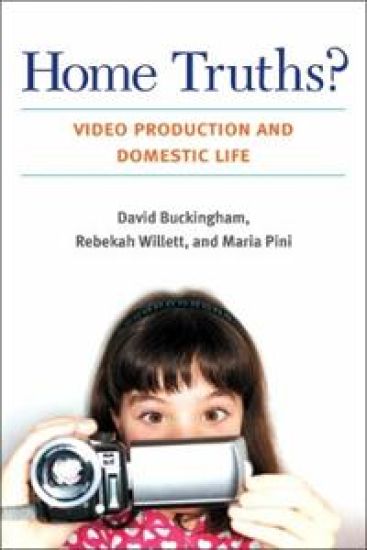
Home Truths?

Home Truths?

David Buckingham; Maria Pini; Rebekah Willett

The University of Michigan Press
2011
nidottu
Over the past decade, the video camera has become a commonplace household technology. With falling prices on compact and easy-to-use cameras, as well as mobile phones and digital still cameras with video recording capabilities, access to moving image production technology is becoming virtually universal. Home Truths? represents one of the few academic research studies exploring this everyday, popular use of video production technology, looking particularly at how families use and engage with the technology and how it fits into the routines of everyday life. The authors draw on interviews, observations, and the participants' videos themselves, seeking to paint a comprehensive picture of the role of video making in their everyday lives. While readers gain a sense of the individual characters involved in the project and the complexities and diversities of their lives, the analysis also raises a range of broader issues about the nature of learning and creativity, subjectivity and representation, and the "domestication" of technology---issues that are of interest to many in the fields of sociology and media/cultural studies. David Buckingham is Professor of Education at the Institute of Education, University of London, and Director of the Institute's Centre for the Study of Children, Youth and Media. Rebekah Willett is Lecturer at the Institute of Education, University of London, where she teaches in Media, Culture and Communication. Maria Pini previously worked as Lecturer in Media and Communications at Goldsmiths College, London University, and is now a researcher on the Camcorder Cultures project at the Institute of Education. Cover art: Young videomaker ©iStockphoto.com/ kaisersosa67Technologies of the Imagination: New Media in Everyday Lifedigitalculturebooks is an imprint of the University of Michigan Press and the Scholarly Publishing Office of the University of Michigan Library dedicated to publishing innovative and accessible work exploring new media and their impact on society, culture, and scholarly communication. Visit the website at www.digitalculture.org.
Home Truths?

Home Truths?

David Buckingham; Maria Pini; Rebekah Willett

The University of Michigan Press
2011
sidottu
Over the past decade, the video camera has become a commonplace household technology. With falling prices on compact and easy-to-use cameras, as well as mobile phones and digital still cameras with video recording capabilities, access to moving image production technology is becoming virtually universal. Home Truths? represents one of the few academic research studies exploring this everyday, popular use of video production technology, looking particularly at how families use and engage with the technology and how it fits into the routines of everyday life. The authors draw on interviews, observations, and the participants' videos themselves, seeking to paint a comprehensive picture of the role of video making in their everyday lives. While readers gain a sense of the individual characters involved in the project and the complexities and diversities of their lives, the analysis also raises a range of broader issues about the nature of learning and creativity, subjectivity and representation, and the "domestication" of technology---issues that are of interest to many in the fields of sociology and media/cultural studies. David Buckingham is Professor of Education at the Institute of Education, University of London, and Director of the Institute's Centre for the Study of Children, Youth and Media. Rebekah Willett is Lecturer at the Institute of Education, University of London, where she teaches in Media, Culture and Communication. Maria Pini previously worked as Lecturer in Media and Communications at Goldsmiths College, London University, and is now a researcher on the Camcorder Cultures project at the Institute of Education. Cover art: Young videomaker ©iStockphoto.com/ kaisersosa67Technologies of the Imagination: New Media in Everyday Lifedigitalculturebooks is an imprint of the University of Michigan Press and the Scholarly Publishing Office of the University of Michigan Library dedicated to publishing innovative and accessible work exploring new media and their impact on society, culture, and scholarly communication. Visit the website at www.digitalculture.org.
Beyond Technology

Beyond Technology

David Buckingham

Polity Press
2007
sidottu
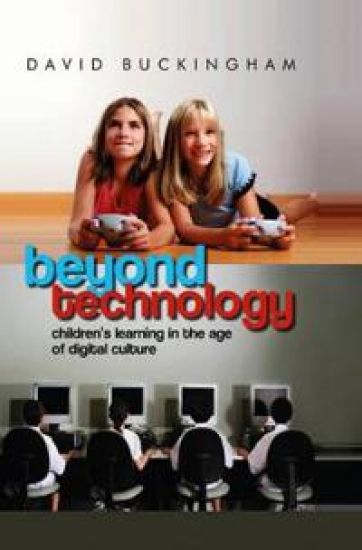
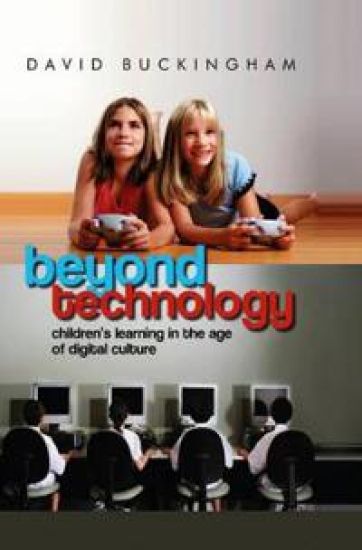
Beyond Technology offers a challenging new analysis of learning, young people and digital media. Disputing both utopian fantasies about the transformation of education and exaggerated fears about the corruption of childhood innocence, it offers a level-headed analysis of the impact of these new media on learning, drawing on a wide range of critical research. Buckingham argues that there is now a growing divide between the media-rich world of childrens lives outside school and their experiences of technology in the classroom. Bridging this divide, he suggests, will require more than superficial attempts to import technology into schools, or to combine education with digital entertainment. While debunking such fantasies of technological change, Buckingham also provides a constructive alternative, arguing that young people need to be equipped with a new form of digital literacy that is both critical and creative. Beyond Technology will be essential reading for all students of the media or education, as well as for teachers and other education professionals.
Beyond Technology

Beyond Technology

David Buckingham

Polity Press
2007
nidottu
Beyond Technology offers a challenging new analysis of learning, young people and digital media. Disputing both utopian fantasies about the transformation of education and exaggerated fears about the corruption of childhood innocence, it offers a level-headed analysis of the impact of these new media on learning, drawing on a wide range of critical research. Buckingham argues that there is now a growing divide between the media-rich world of childrens lives outside school and their experiences of technology in the classroom. Bridging this divide, he suggests, will require more than superficial attempts to import technology into schools, or to combine education with digital entertainment. While debunking such fantasies of technological change, Buckingham also provides a constructive alternative, arguing that young people need to be equipped with a new form of digital literacy that is both critical and creative. Beyond Technology will be essential reading for all students of the media or education, as well as for teachers and other education professionals.
Computer Games

Computer Games

Diane Carr; David Buckingham; Andrew Burn; Gareth Schott

Polity Press
2006
sidottu
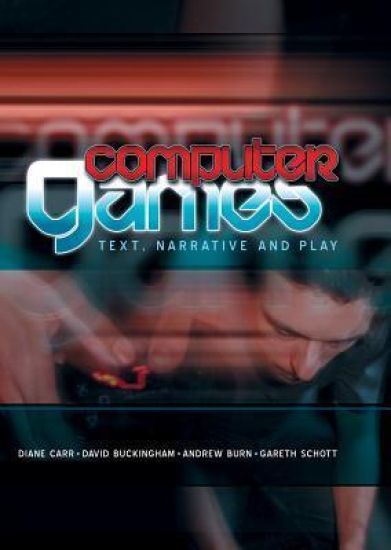
Computer games are one of the most exciting and rapidly evolving media of our time. Revenues from console and computer games have now overtaken those from Hollywood movies; and online gaming is one of the fastest-growing areas of the internet. Games are no longer just kids' stuff: the majority of players are now adults, and the market is constantly broadening. The visual style of games has become increasingly sophisticated, and the complexities of game-play are ever more challenging. Meanwhile, the iconography and generic forms of games are increasingly influencing a whole range of other media, from films and television to books and toys. This book provides a systematic, comprehensive introduction to the analysis of computer and video games. It introduces key concepts and approaches drawn from literary, film and media theory in an accessible and concrete manner; and it tests their use and relevance by applying them to a small but representative selection of role-playing and action-adventure games. It combines methods of textual analysis and audience research, showing how the combination of such methods can give a more complete picture of these playable texts and the fan cultures they generate. Clearly written and engaging, it will be a key text for students in the field and for all those with an interest in taking games seriously.
Computer Games

Computer Games

Diane Carr; David Buckingham; Andrew Burn; Gareth Schott

Polity Press
2006
nidottu
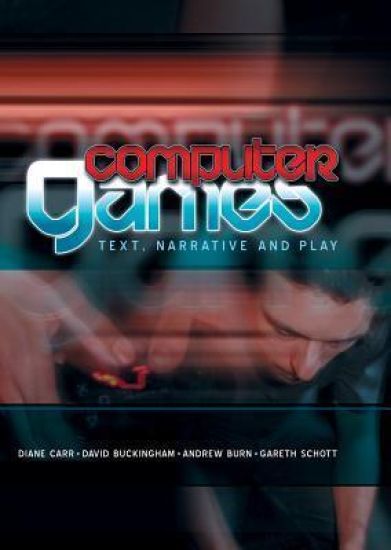
Computer games are one of the most exciting and rapidly evolving media of our time. Revenues from console and computer games have now overtaken those from Hollywood movies; and online gaming is one of the fastest-growing areas of the internet. Games are no longer just kids' stuff: the majority of players are now adults, and the market is constantly broadening. The visual style of games has become increasingly sophisticated, and the complexities of game-play are ever more challenging. Meanwhile, the iconography and generic forms of games are increasingly influencing a whole range of other media, from films and television to books and toys. This book provides a systematic, comprehensive introduction to the analysis of computer and video games. It introduces key concepts and approaches drawn from literary, film and media theory in an accessible and concrete manner; and it tests their use and relevance by applying them to a small but representative selection of role-playing and action-adventure games. It combines methods of textual analysis and audience research, showing how the combination of such methods can give a more complete picture of these playable texts and the fan cultures they generate. Clearly written and engaging, it will be a key text for students in the field and for all those with an interest in taking games seriously.
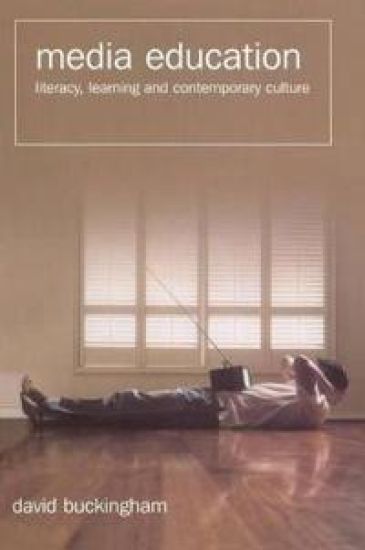
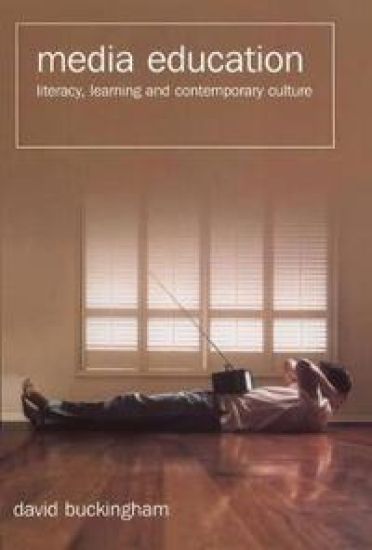
Media Education

Media Education

David Buckingham

Polity Press
2003
nidottu
This book examines recent changes in media education and in young people’s lives, and provides an accessible set of principles on which the media curriculum should be based, with a clear rationale for pedagogic practice. David Buckingham is one of the leading international experts in the field - he has more than twenty years' experience in media education as a teacher and researcher. This book takes account of recent changes both in the media and in young people’s lives, and provides an accessible and cogent set of principles on which the media curriculum should be based. Introduces the aims and methods of media education or 'media literacy'. Includes descriptions of teaching strategies and summaries of relevant research on classroom practice. Covers issues relating to contemporary social, political and technological developments.
Media Education

Media Education

David Buckingham

Polity Press
2003
sidottu
This book examines recent changes in media education and in young people’s lives, and provides an accessible set of principles on which the media curriculum should be based, with a clear rationale for pedagogic practice. David Buckingham is one of the leading international experts in the field - he has more than twenty years' experience in media education as a teacher and researcher. This book takes account of recent changes both in the media and in young people’s lives, and provides an accessible and cogent set of principles on which the media curriculum should be based. Introduces the aims and methods of media education or 'media literacy'. Includes descriptions of teaching strategies and summaries of relevant research on classroom practice. Covers issues relating to contemporary social, political and technological developments.