Kirjojen hintavertailu – 12 859 818 kirjaa ja 27 kauppaa

Kirjailija

David Commins

Kirjat ja teokset yhdessä paikassa: 6 kirjaa, julkaisuja vuosilta 2015–2025, suosituimpiin kuuluu Historical Dictionary of Syria. Vertaile teosten hintoja ja tarkista saatavuus suomalaisista kirjakaupoista.

6 kirjaa

Kirjojen julkaisuvuodet: 2015–2025.

Saudi Arabia

Saudi Arabia

David Commins

YALE UNIVERSITY PRESS
2025
sidottu

Halvin toimitettuna 34,30 €

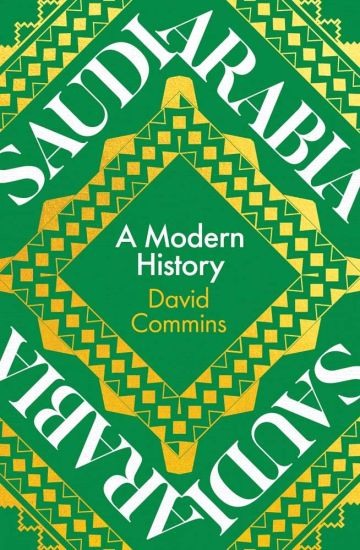
A major new history of Saudi Arabia, from its eighteenth-century origins to the present day Saudi Arabia is one of the wealthiest countries in the world, a major player on the international stage and the site of Islam’s two holiest cities. It is also one of the world’s only absolute monarchies. How did Saudi Arabia get to where it is today? In this comprehensive account, David Commins narrates the full history of Saudi Arabia from oasis emirate to present-day attempts to leap to a post-petroleum economy. Moving through the ages, Commins traces how the Saud dynasty’s reliance on sectarianism, foreign expertise, and petroleum to stabilize power has unintentionally spawned secular and religious movements seeking accountability and justice. He incorporates the experiences of activists, women, religious minorities, Bedouin, and expatriate workers as the country transformed from subsistence agrarian life to urban consumer society. This is a perceptive portrait of Saudi Arabia’s complex and evolving story—and a country that is all too easily misunderstood.
Historical Dictionary of Syria

Historical Dictionary of Syria

Omar Imady; David Commins; David W. Lesch

Rowman Littlefield
2021
sidottu
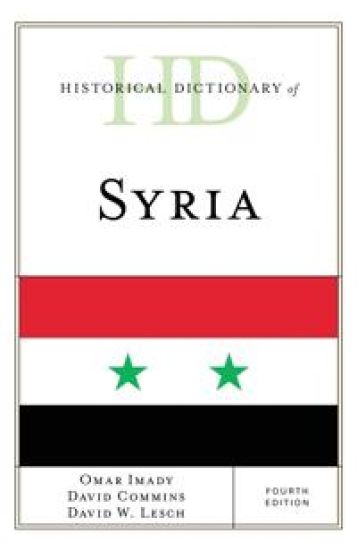
This fourth edition of the Historical Dictionary of Syria covers the recent events in Syria as well as the history that led up to these events. The cross-referenced dictionary section has over 500 entries on significant persons, places and events, political parties and institutions, literature, music and the arts. .
The Mission and the Kingdom

The Mission and the Kingdom

David Commins

I.B. Tauris
2016
nidottu
In the wake of September 11th instant theories have emerged that try to root Osama Bin Laden's attacks on Wahhabism. Muslim critics have dismissed this conservative interpretation of Islam that is the official creed of Saudi Arabia as an unorthodox innovation that manipulated a suggestible people to gain political influence. David Commins' book questions this assumption. He examines the debate on the nature of Wahhabism, and offers original findings on its ascendance in Saudi Arabia and spread throughout other parts of the Muslim world such as Afghanistan and Pakistan. He also assesses the challenge that radical militants within Saudi Arabia pose to the region, and draws conclusions which will concern all those who follow events in the Kingdom. The Wahhabi Mission and Saudi Arabia is essential reading for anyone interested in the Middle East and Islamic radicalism today.
Islam in Saudi Arabia

Islam in Saudi Arabia

David Commins

Cornell University Press
2015
pokkari
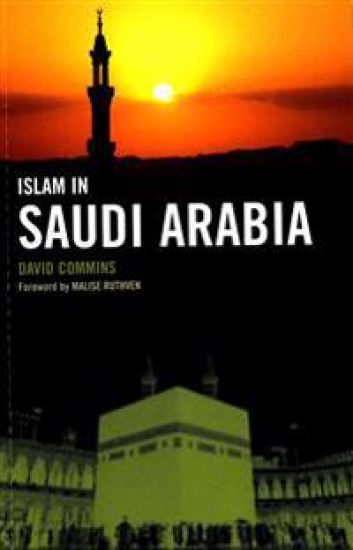
"Royal power, oil, and puritanical Islam are primary elements in Saudi Arabia's rise to global influence. Oil is the reason for Western interest in the kingdom and the foundation for commercial, diplomatic, and strategic relations. Were it not for oil, the government of Saudi Arabia would lack the resources to construct a modern economy and infrastructure, and to thrust the kingdom into regional prominence. Were it not for oil, Saudi Arabia would not be able to fund institutions that spread its religious doctrine to Muslim and non-Muslim countries. That doctrine, commonly known as Wahhabism, is a puritanical form of Islam that is distinctive in a number of ways, most visibly for how it makes public observance of religious norms a matter of government enforcement rather than individual disposition and social conformity, as it is in other Muslim countries."—from the IntroductionSaudi Arabia is often portrayed as a country where religious rules dictate every detail of daily life: where women may not drive; where unrelated men and women may not interact; where women veil their faces; and where banks, restaurants, and cafés have dual facilities: one for families, another for men. Yet everyday life in the kingdom does not entirely conform to dogma. David Commins challenges the stereotype of Saudi Arabia as a country immune to change by highlighting the ways that urbanization, education, consumerism, global communications, and technological innovation have exerted pressure against rules issued by the religious establishment. Commins places the Wahhabi movement in the wider context of Islamic history, showing how state-appointed clerics built on dynastic backing to fashion a model society of Sharia observance and moral virtue. Beneath a surface appearance of obedience to Islamic authority, however, he detects reflections of Arabia's heritage of diversity (where Shi’ite and Sufi tendencies predating the Saudi era survive in the face of discrimination) and the effects of its exposure to Western mores.
Islam in Saudi Arabia

Islam in Saudi Arabia

David Commins; Malise Ruthven

Cornell University Press
2015
sidottu
"Royal power, oil, and puritanical Islam are primary elements in Saudi Arabia's rise to global influence. Oil is the reason for Western interest in the kingdom and the foundation for commercial, diplomatic, and strategic relations. Were it not for oil, the government of Saudi Arabia would lack the resources to construct a modern economy and infrastructure, and to thrust the kingdom into regional prominence. Were it not for oil, Saudi Arabia would not be able to fund institutions that spread its religious doctrine to Muslim and non-Muslim countries. That doctrine, commonly known as Wahhabism, is a puritanical form of Islam that is distinctive in a number of ways, most visibly for how it makes public observance of religious norms a matter of government enforcement rather than individual disposition and social conformity, as it is in other Muslim countries."—from the IntroductionSaudi Arabia is often portrayed as a country where religious rules dictate every detail of daily life: where women may not drive; where unrelated men and women may not interact; where women veil their faces; and where banks, restaurants, and cafés have dual facilities: one for families, another for men. Yet everyday life in the kingdom does not entirely conform to dogma. David Commins challenges the stereotype of Saudi Arabia as a country immune to change by highlighting the ways that urbanization, education, consumerism, global communications, and technological innovation have exerted pressure against rules issued by the religious establishment. Commins places the Wahhabi movement in the wider context of Islamic history, showing how state-appointed clerics built on dynastic backing to fashion a model society of Sharia observance and moral virtue. Beneath a surface appearance of obedience to Islamic authority, however, he detects reflections of Arabia's heritage of diversity (where Shi’ite and Sufi tendencies predating the Saudi era survive in the face of discrimination) and the effects of its exposure to Western mores.
Islam in Saudi Arabia

Islam in Saudi Arabia

David Commins

I.B. Tauris
2015
nidottu
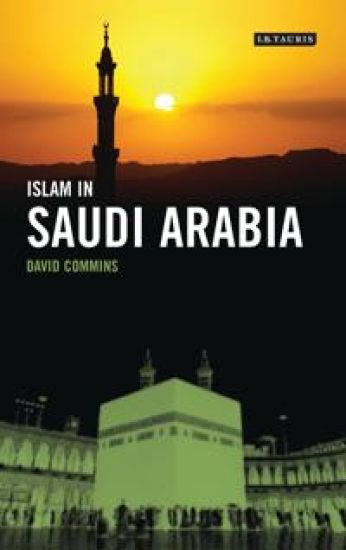
The common image of Saudi Arabia portrays a country where religious rules dictate every detail of daily life: where women may not drive; where unrelated men and women may not interact; where the latter veil their faces; and where banks, restaurants and cafes have dual facilities: one for families, another for men. Yet life in the kingdom, contrary to perception, is not so clear cut as simply obeying dogma. David Commins challenges the stereotype of a country immune to change by highlighting the ways that urbanization, education, consumerism, global communications and technological innovation have exerted pressure against rules issued by the religious establishment. He places the Wahhabi movement in the wider context of Islamic history, showing how state-appointed clerics built on dynastic backing to fashion a model society of Sharia observance and moral virtue. But beneath a surface appearance of obedience to Islamic authority he detects currents that reflect Arabia's heritage of diversity (where Shi'i and Sufi tendencies survive in the face of discrimination) and the effects of its exposure to Western mores.