Kirjojen hintavertailu – 12 871 288 kirjaa ja 27 kauppaa

Kirjailija

David Etkin

Kirjat ja teokset yhdessä paikassa: 3 kirjaa, julkaisuja vuosilta 2012–2015, suosituimpiin kuuluu Disaster Risk and Vulnerability. Vertaile teosten hintoja ja tarkista saatavuus suomalaisista kirjakaupoista.

3 kirjaa

Kirjojen julkaisuvuodet: 2012–2015.

Disaster Theory

Disaster Theory

David Etkin; Ian Burton

Butterworth-Heinemann Inc
2015
nidottu

Halvin toimitettuna 76,80 €

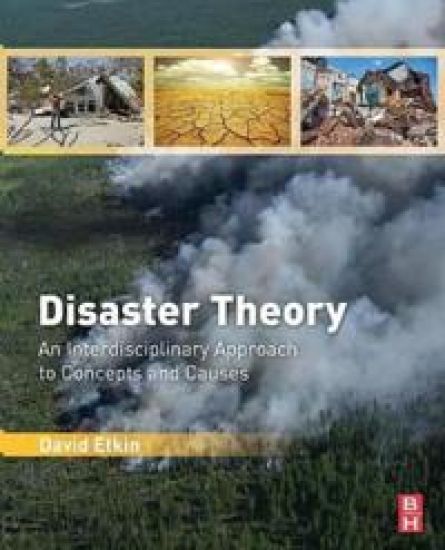
Disaster Theory: An Interdisciplinary Approach to Concepts and Causes offers the theoretical background needed to understand what disasters are and why they occur. Drawing on related disciplines, including sociology, risk theory, and seminal research on disasters and emergency management, Disaster Theory clearly lays out the conceptual framework of the emerging field of disaster studies. Tailored to the needs of advanced undergraduates and graduate students, this unique text also provides an ideal capstone for students who have already been introduced to the fundamentals of emergency management. Disaster Theory emphasizes the application of critical thinking in understanding disasters and their causes by synthesizing a wide range of information on theory and practice, including input from leading scholars in the field.
Disaster Risk and Vulnerability

Disaster Risk and Vulnerability

C. Emdad Haque; David Etkin

McGill-Queen's University Press
2012
sidottu
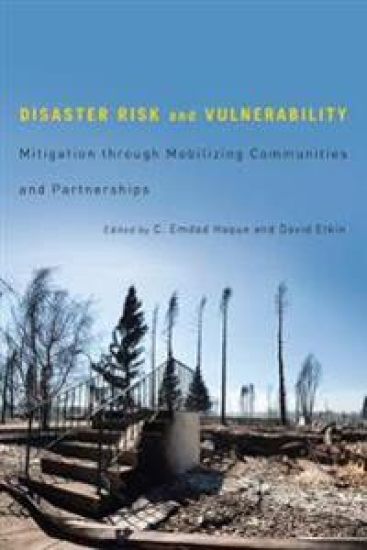
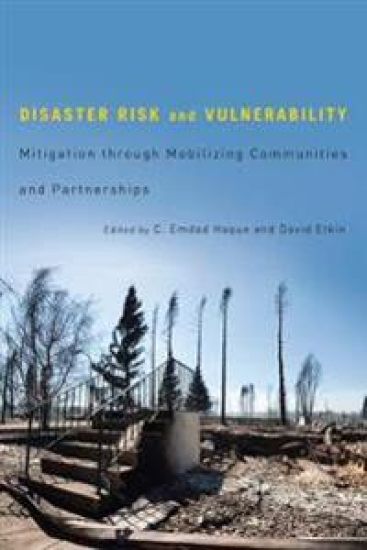
From the Asian tsunami of 2004 to hurricane Katrina in 2005 and the Tohoku earthquake of 2011, our century has been fraught with catastrophic natural disasters. Disaster Risk and Vulnerability assesses the human toll and economic losses of natural disasters and reasserts the importance of human collaboration and organization in disaster management. In most cases, policy makers, planners, managers, and regulators who implement disaster risk reduction response planning and management strategies remain detached from local conditions, failing to address them effectively. Presenting case studies from Asia and North America, as well as a broad range of approaches to community mobilization and partnership development, contributors show that local communities, all levels of government, and non-governmental organizations must work collectively in order to reduce the harm caused by disasters. Despite unprecedented progress in science and technology and governments' continued efforts in disaster risk reduction, socioeconomic losses due to environmental disasters continue to rise. Disaster Risk and Vulnerability provides knowledge and information that will benefit anyone working in the fields of environment, disasters, and community mobilization in an effort to reverse this trend.
Disaster Risk and Vulnerability

Disaster Risk and Vulnerability

C. Emdad Haque; David Etkin

McGill-Queen's University Press
2012
nidottu
From the Asian tsunami of 2004 to hurricane Katrina in 2005 and the Tohoku earthquake of 2011, our century has been fraught with catastrophic natural disasters. Disaster Risk and Vulnerability assesses the human toll and economic losses of natural disasters and reasserts the importance of human collaboration and organization in disaster management. In most cases, policy makers, planners, managers, and regulators who implement disaster risk reduction response planning and management strategies remain detached from local conditions, failing to address them effectively. Presenting case studies from Asia and North America, as well as a broad range of approaches to community mobilization and partnership development, contributors show that local communities, all levels of government, and non-governmental organizations must work collectively in order to reduce the harm caused by disasters. Despite unprecedented progress in science and technology and governments' continued efforts in disaster risk reduction, socioeconomic losses due to environmental disasters continue to rise. Disaster Risk and Vulnerability provides knowledge and information that will benefit anyone working in the fields of environment, disasters, and community mobilization in an effort to reverse this trend.