Kirjojen hintavertailu – 12 903 725 kirjaa ja 27 kauppaa
Kirjailija
David F. Aberle
Kirjat ja teokset yhdessä paikassa: 6 kirjaa, julkaisuja vuosilta 1991–2013, suosituimpiin kuuluu Navaho and Ute Peyotism: A Chronological and Distributional Study. Vertaile teosten hintoja ja tarkista saatavuus suomalaisista kirjakaupoista.
""Navaho And Ute Peyotism: A Chronological And Distributional Study"" is a book written by David F. Aberle that explores the history and distribution of peyotism among the Navaho and Ute tribes of North America. The book provides a detailed analysis of the use of peyote, a hallucinogenic cactus, in religious ceremonies and rituals by these two tribes. Aberle examines the origins of peyotism among the Navaho and Ute, tracing its development over time and its spread throughout different regions. He also investigates the social and cultural impact of peyotism on these two tribes, including its role in shaping their spiritual beliefs and practices. The book is a valuable resource for scholars and researchers interested in the history and culture of Native American tribes and their religious practices. University Of Colorado Studies, Series In Anthropology, No. 6. This scarce antiquarian book is a facsimile reprint of the old original and may contain some imperfections such as library marks and notations. Because we believe this work is culturally important, we have made it available as part of our commitment for protecting, preserving, and promoting the world's literature in affordable, high quality, modern editions, that are true to their original work.
The book titled ""The Kinship System Of The Kalmuk Mongols: University Of New Mexico Publications In Anthropology, No. 8"" is written by David F. Aberle. The book is an anthropological study of the kinship system of the Kalmuk Mongols, a group of people living in the region of Kalmykia in Russia. The book is part of the University of New Mexico Publications in Anthropology series and is the eighth volume in the series. The book provides an in-depth analysis of the kinship system of the Kalmuk Mongols, including their family structure, marriage practices, and inheritance patterns. The author uses a combination of ethnographic fieldwork and historical research to provide a comprehensive understanding of the Kalmuk Mongols' kinship system. The book is divided into several chapters, each focusing on a specific aspect of the kinship system. The first chapter provides an introduction to the Kalmuk Mongols and their history, while the second chapter discusses the basic principles of their kinship system. The following chapters delve deeper into specific aspects of the kinship system, such as marriage, descent, and inheritance. The book is written in a scholarly style and is intended for academics and students of anthropology. It includes numerous charts, graphs, and tables to illustrate the author's findings. Overall, ""The Kinship System Of The Kalmuk Mongols"" is a valuable resource for anyone interested in the anthropology of kinship systems, as well as those interested in the history and culture of the Kalmuk Mongols. This scarce antiquarian book is a facsimile reprint of the old original and may contain some imperfections such as library marks and notations. Because we believe this work is culturally important, we have made it available as part of our commitment for protecting, preserving, and promoting the world's literature in affordable, high quality, modern editions, that are true to their original work.
In this book, which was originally published in 1974, lexical reconstruction is used to provide links between cultural and social anthropology and linguistics. The Athapaskan language family has members in Alaska, western Canada, the west coast and southwest of the United States, and Oklahoma. The authors use the kinship terminology of existing Athapaskan languages and dialects to provide a lexical reconstruction of the kinship terminology of the mother-language, Proto-Athapaskan, which existed perhaps 1,500 or more years ago. A central contribution of the work is the explicit delineation of the method used in lexical reconstruction to arrive at the likeliest inferences about the meanings of proto-lexemes. Other methodological contributions include a method for inferring features of social organization from kinship terminology and for reconstructing other features of social organization from the distribution of these features among existing groups.
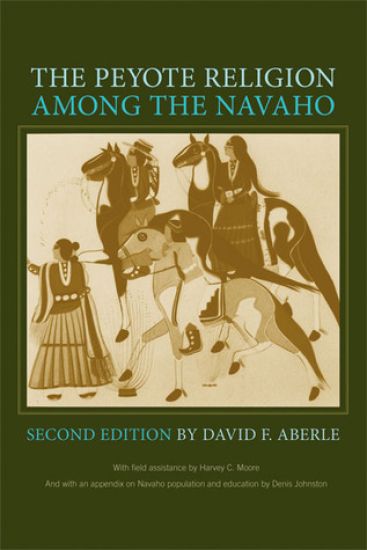
A study of the growth of the Peyote religion among the Navaho Indians, and the conflict attending it. Covering all aspects of Peyotism - political, religious and philosophical - the author makes a case for those who believe in Peyotism to practice their religion unhampered by law or social stigma.