Kirjojen hintavertailu – 12 859 828 kirjaa ja 27 kauppaa

Kirjailija

David Gadd

Kirjat ja teokset yhdessä paikassa: 10 kirjaa, julkaisuja vuosilta 2007–2024, suosituimpiin kuuluu Psychosocial Criminology. Vertaile teosten hintoja ja tarkista saatavuus suomalaisista kirjakaupoista.

10 kirjaa

Kirjojen julkaisuvuodet: 2007–2024.

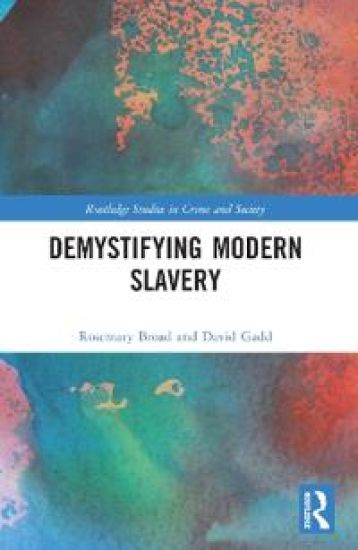
Demystifying Modern Slavery

Demystifying Modern Slavery

Rose Broad; David Gadd

TAYLOR FRANCIS LTD
2024
nidottu
Who are the perpetrators of modern slavery? Why do they exploit others? What might be done to stop exploitation recurring? These are the questions answered in this book. Reporting on the first primary study of modern slavery offenders, the book depicts the findings of in-depth interviews with people accused of, and convicted for, committing modern slavery offences. The different forms that modern slavery takes are explained chapter by chapter: organized crime, people smuggling, labour exploitation, domestic servitude, sham marriage, the trafficking of adults for sexual exploitation and child sex trafficking. Using case studies to illuminate the perspectives of those deemed perpetrators, we show that few modern slavery offenders conform to stereotypes of people traffickers. Through an interpretive analysis of offenders’ life stories, we reveal the points in the past and present where interventions could have prevented victims from becoming trapped in exploitation. We show that while national governments and international bodies often appear resolute in their efforts to tackle modern slavery and people trafficking, they have also obscured their own roles in compounding the plights of those at the sharp ends of globalization. In racializing the actions of sex traffickers, grooming gangs, and organized criminals, the modern slavery agenda has mystified the roles market dynamics, the absence of workers’ rights, and immigration controls play in generating vulnerabilities to exploitation. This book will be of interest to a wide range of students, policymakers and practitioners concerned with modern slavery, human trafficking, border control and immigration, globalization and inequality, as well as the more disciplinefocused criminological audiences concerned with why people commit crimes, what should be done about them and the, often paradoxical, consequences of social control across borders. Given the book’s strong focus on narrative, psychosocial and social network methodologies, it will also appeal to audiences across the social sciences concerned with applying these novel approaches to difficult to reach populations.
Demystifying Modern Slavery

Demystifying Modern Slavery

Rose Broad; David Gadd

TAYLOR FRANCIS LTD
2022
sidottu
Who are the perpetrators of modern slavery? Why do they exploit others? What might be done to stop exploitation recurring? These are the questions answered in this book. Reporting on the first primary study of modern slavery offenders, the book depicts the findings of in-depth interviews with people accused of, and convicted for, committing modern slavery offences. The different forms that modern slavery takes are explained chapter by chapter: organized crime, people smuggling, labour exploitation, domestic servitude, sham marriage, the trafficking of adults for sexual exploitation and child sex trafficking. Using case studies to illuminate the perspectives of those deemed perpetrators, we show that few modern slavery offenders conform to stereotypes of people traffickers. Through an interpretive analysis of offenders’ life stories, we reveal the points in the past and present where interventions could have prevented victims from becoming trapped in exploitation. We show that while national governments and international bodies often appear resolute in their efforts to tackle modern slavery and people trafficking, they have also obscured their own roles in compounding the plights of those at the sharp ends of globalization. In racializing the actions of sex traffickers, grooming gangs, and organized criminals, the modern slavery agenda has mystified the roles market dynamics, the absence of workers’ rights, and immigration controls play in generating vulnerabilities to exploitation. This book will be of interest to a wide range of students, policymakers and practitioners concerned with modern slavery, human trafficking, border control and immigration, globalization and inequality, as well as the more disciplinefocused criminological audiences concerned with why people commit crimes, what should be done about them and the, often paradoxical, consequences of social control across borders. Given the book’s strong focus on narrative, psychosocial and social network methodologies, it will also appeal to audiences across the social sciences concerned with applying these novel approaches to difficult to reach populations.
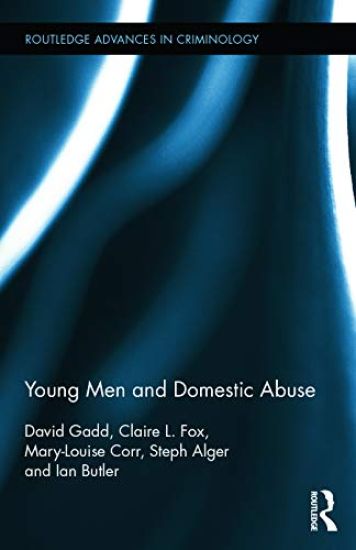
Young Men and Domestic Abuse

Young Men and Domestic Abuse

David Gadd; Claire L. Fox; Mary-Louise Corr; Steph Alger; Ian Butler

Routledge
2020
nidottu
Surveys reveal that domestic abuse is more commonplace among teenagers and young adults than older populations, yet surprisingly little is written about young men’s involvement in it. Reporting on a three-year study based in the UK, this book explores young men’s involvement in domestic abuse, whether as victims, perpetrators or witnesses to violent behaviors between adults. Original survey data, focus group material and in-depth biographical interviews are used to make the case for a more thoroughgoing engagement with the meanings young men come to attribute to violent behavior, include the tendency among many to configure violence within families as "fights" that call for acts of male heroism. The book also highlights the dearth of services interventions for young men prone to domestic abuse, and the challenges of developing responsive practice in this area. Each section of the book highlights further online resources that those looking to conduct research in this area or apply its insights in practice can draw upon.
Losing the Race

Losing the Race

Bill Dixon; David Gadd

Routledge
2019
sidottu
Based on a two-year research project funded by the Economic and Social Research Council (ESRC), this book explores why many of those involved in racially motivated crime seem to be struggling to cope with economic, cultural and emotional losses in their own lives. Drawing on in-depth biographical interviews with perpetrators of racist crimes and
Young Men and Domestic Abuse

Young Men and Domestic Abuse

David Gadd; Claire L. Fox; Mary-Louise Corr; Steph Alger; Ian Butler

Routledge
2015
sidottu
Surveys reveal that domestic abuse is more commonplace among teenagers and young adults than older populations, yet surprisingly little is written about young men’s involvement in it. Reporting on a three-year study based in the UK, this book explores young men’s involvement in domestic abuse, whether as victims, perpetrators or witnesses to violent behaviors between adults. Original survey data, focus group material and in-depth biographical interviews are used to make the case for a more thoroughgoing engagement with the meanings young men come to attribute to violent behavior, include the tendency among many to configure violence within families as "fights" that call for acts of male heroism. The book also highlights the dearth of services interventions for young men prone to domestic abuse, and the challenges of developing responsive practice in this area. Each section of the book highlights further online resources that those looking to conduct research in this area or apply its insights in practice can draw upon.
Losing the Race

Losing the Race

David Gadd

Karnac Books
2011
nidottu
Based on a two-year research project funded by the Economic and Social Research Council (ESRC), this book explores why many of those involved in racially motivated crime seem to be struggling to cope with economic, cultural and emotional losses in their own lives. Drawing on in-depth biographical interviews with perpetrators of racist crimes and focus group discussions with ordinary people living in the same communities, the book explores why it is that some people, and not others, feel inclined to attack immigrants and minority ethnic groups. The relationships between ordinary racism, racial harassment and the politics of the British National Party are also explored, as are the enduring impacts of deindustrialisation, economic failure and immigration on white working class communities. The book assesses the legacy of New Labour policy on community cohesion, hate crime and respect in terms of its impact on racist attitudes and racist incidents, and explores how it is that racist attacks, including racist murders, continue to happen.
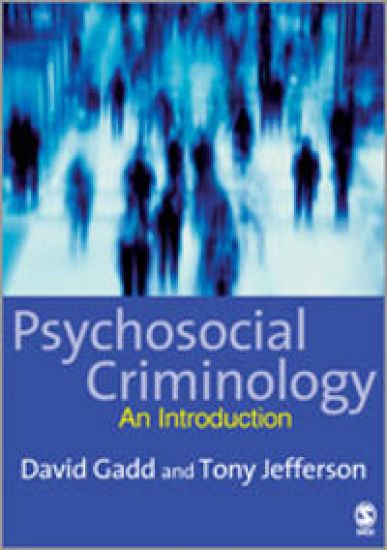
Psychosocial Criminology

Psychosocial Criminology

David Gadd; Tony Jefferson

SAGE Publications Inc
2007
sidottu
'This is a well written, thought provoking, and highly challenging book for anyone who claims to be a criminologist or for whom crime is of central concern. It should be required reading on all undergraduate and post-graduate criminology courses. A truly innovative take on some well established criminological dilemmas.' - Sandra Walklate, Eleanor Rathbone Chair of Sociology, University of Liverpool What makes people commit crime? Psychosocial Criminology demonstrates how a psychosocial approach can illuminate the causes of particular crimes, challenging readers to re-think the similarities and differences between themselves and those involved in crime. The book critiques existing psychological and sociological theories before outlining a more adequate understanding of the criminal offender. It sheds new light on a series of crimes - rape, serial murder, racial harassment , 'jack-rolling' (mugging of drunks), domestic violence - and contemporary criminological issues such as fear of crime, cognitive-behavioural interventions and restorative justice. Gadd and Jefferson bring together theories about identity, subjectivity and gender to provide the first comprehensive account of their psychoanalytically inspired approach. For each topic, the theoretical perspective is supported by individual case studies, which are designed to facilitate the understanding of theory and to demonstrate its application to a variety of criminological topics. This important and lucid book is written primarily for upper level undergraduates, postgraduates and teachers of criminology. It is particularly useful for students undertaking a joint degree in criminology and psychology. It will also appeal to critical psychologists, psychoanalysts, students of biographical methods and those pursuing social work training. David Gadd is Senior Lecturer in Criminology at Keele University. Tony Jefferson is Professor of Criminology at Keele University.
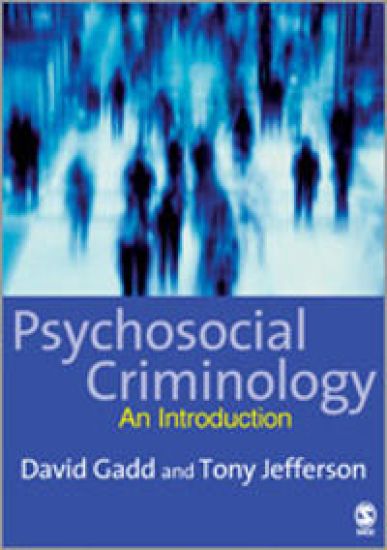
Psychosocial Criminology

Psychosocial Criminology

David Gadd; Tony Jefferson

SAGE Publications Inc
2007
nidottu
'This is a well written, thought provoking, and highly challenging book for anyone who claims to be a criminologist or for whom crime is of central concern. It should be required reading on all undergraduate and post-graduate criminology courses. A truly innovative take on some well established criminological dilemmas.' - Sandra Walklate, Eleanor Rathbone Chair of Sociology, University of Liverpool What makes people commit crime? Psychosocial Criminology demonstrates how a psychosocial approach can illuminate the causes of particular crimes, challenging readers to re-think the similarities and differences between themselves and those involved in crime. The book critiques existing psychological and sociological theories before outlining a more adequate understanding of the criminal offender. It sheds new light on a series of crimes - rape, serial murder, racial harassment , 'jack-rolling' (mugging of drunks), domestic violence - and contemporary criminological issues such as fear of crime, cognitive-behavioural interventions and restorative justice. Gadd and Jefferson bring together theories about identity, subjectivity and gender to provide the first comprehensive account of their psychoanalytically inspired approach. For each topic, the theoretical perspective is supported by individual case studies, which are designed to facilitate the understanding of theory and to demonstrate its application to a variety of criminological topics. This important and lucid book is written primarily for upper level undergraduates, postgraduates and teachers of criminology. It is particularly useful for students undertaking a joint degree in criminology and psychology. It will also appeal to critical psychologists, psychoanalysts, students of biographical methods and those pursuing social work training. David Gadd is Senior Lecturer in Criminology at Keele University. Tony Jefferson is Professor of Criminology at Keele University.