Kirjojen hintavertailu – 12 903 725 kirjaa ja 27 kauppaa

Kirjailija

David Hamilton Golland

Kirjat ja teokset yhdessä paikassa: 4 kirjaa, julkaisuja vuosilta 2019–2026, suosituimpiin kuuluu Livin' Just to Find Emotion. Vertaile teosten hintoja ja tarkista saatavuus suomalaisista kirjakaupoista.

4 kirjaa

Kirjojen julkaisuvuodet: 2019–2026.

Livin' Just to Find Emotion

Livin' Just to Find Emotion

David Hamilton Golland; Joel Selvin

BLOOMSBURY PUBLISHING PLC
2026
nidottu
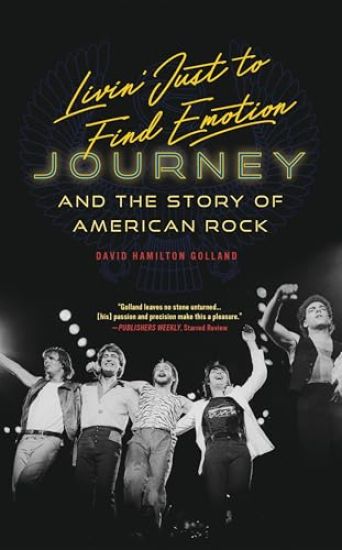
“Golland leaves no stone unturned in this fine-grained chronicle of the rock group Journey.... Golland’s passion and precision make this a pleasure.” – Publishers Weekly, Starred Review “A welcome study of one of rock’s most enduring musical fusions.” – Salon Since exploding on the scene in the late 1970s, Journey has inspired generations of fans with hit after hit. But hidden under this rock ‘n’ roll glory is a complex story of ambition, larger-than-life personalities, and clashes. David Hamilton Golland unearths the band’s true and complete biography, based on over a decade of interviews and thousands of sources. When Steve Perry joined jazz-blues progressive rock band Journey in 1977, they saw a rise to the top, and their 1981 album Escape hit #1. But Perry’s quest for control led to Journey’s demise. They lost their record contract and much of their audience. After the unlikely comeback of “Don’t Stop Believin’” in movies, television, and sports stadiums, a new generation discovered Journey. A professional historian, Golland dispels rehashed myths and also shows how race in popular music contributed to their breakout success. As the economy collapsed and as people abandoned the spirit of Woodstock in the late 70s, Journey used the rhythm of soul and Motown to inspire hope in primarily white teenagers’ lives. Decades later, the band and their signature song remain classics, and now, with singer Arnel Pineda, they are again a fixture in major stadiums worldwide.
A Terrible Thing to Waste

A Terrible Thing to Waste

David Hamilton Golland

UNIVERSITY PRESS OF KANSAS
2024
nidottu
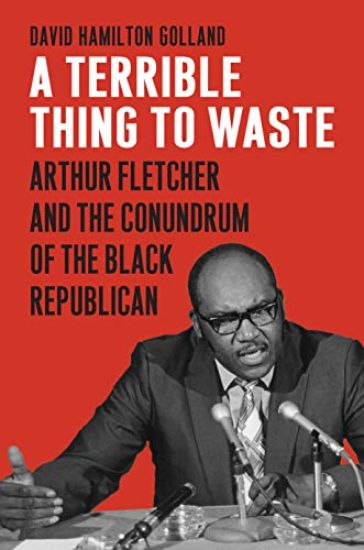
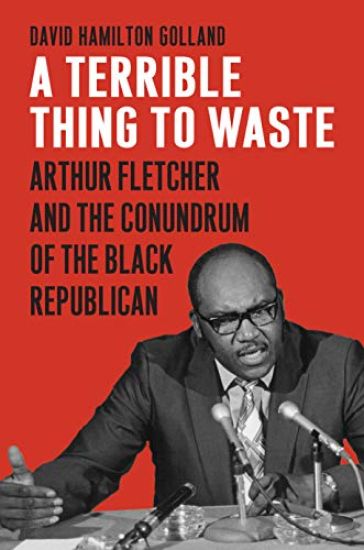
Arthur Fletcher (1924–2005) was the most important civil rights leader you've (probably) never heard of. The first black player for the Baltimore Colts, the father of affirmative action and adviser to four presidents, he coined the United Negro College Fund’s motto: “A Mind Is a Terrible Thing to Waste.” Modern readers might be surprised to learn that Fletcher was also a Republican. Fletcher’s story, told in full for the first time in this book, embodies the conundrum of the post–World War II black Republican—the civil rights leader who remained loyal to the party even as it abandoned the principles he espoused. The upward arc of Fletcher’s political narrative begins with his first youthful protest—a boycott of his high school yearbook—and culminates with his appointment as assistant secretary of Labor under Richard Nixon. The Republican Party he embraced after returning from the war was “the Party of Lincoln”—a big tent, truly welcoming African Americans. A Terrible Thing to Waste shows us those heady days, from Brown v. Board of Education to Fletcher’s implementing of the Philadelphia Plan, the first major national affirmative action initiative. Though successes and accomplishments followed through successive Republican administrations—as chair of the US Commission on Civil Rights under George H. W. Bush, for example, Fletcher’s ability to promote civil rights policy eroded along with the GOP’s engagement, as New Movement Conservatism and Nixon’s Southern Strategy steadily alienated black voters. The book follows Fletcher to the bitter end, his ideals and party in direct conflict and his signature achievement under threat. In telling Fletcher’s story, A Terrible Thing to Waste brings to light a little known chapter in the history of the civil rights movement—and with it, insights especially timely for a nation so dramatically divided over issues of race and party.
Livin' Just to Find Emotion

Livin' Just to Find Emotion

David Hamilton Golland; Joel Selvin

ROWMAN LITTLEFIELD
2024
sidottu
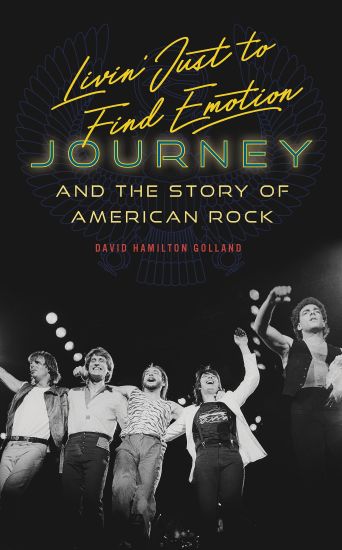
A long-overdue and definitive account of America’s timeless rock bandSince exploding on the scene in the late 70s, Journey has continued to inspire generations of fans with “Don’t Stop Believin’” and other hits. Celebrating the band’s fiftieth anniversary, David Hamilton Golland unearths the band’s true and complete story, incorporating exclusive interview material with band members. When Steve Perry joined jazz-blues progressive rock band Journey in 1977, they saw a rise to the top, and in 1981, Escape hit #1. But Perry’s quest for control led to Journey’s demise. Perry refused to tour, and the band lost their record contract and much of their audience. After the unlikely comeback of “Don’t Stop Believin’” in movies, television shows, and as an underdog sports anthem, a new generation discovered Journey. Now, with singer Arnel Pineda, they are, again, a fixture in major stadiums worldwide. A professional historian, Golland dispels some of the rehashed myths, diving deep into Journey’s complex biography, and also looks at how race in popular music contributed to their breakout success. As the economy collapsed and as people abandoned the spirit of Woodstock in the late 70s, Journey spoke to the darkness of white teenagers’ lives as well as their hopes for a better future. Decades later, the band and their signature song remain classics.
A Terrible Thing to Waste

A Terrible Thing to Waste

David Hamilton Golland

University Press of Kansas
2019
sidottu
Arthur Fletcher (1924–2005) was the most important civil rights leader you've (probably) never heard of. The first black player for the Baltimore Colts, the father of affirmative action and adviser to four presidents, he coined the United Negro College Fund's motto: “A Mind Is a Terrible Thing to Waste.” Modern readers might be surprised to learn that Fletcher was also a Republican. Fletcher's story, told in full for the first time in this book, embodies the conundrum of the post-World War II black Republican—the civil rights leader who remained loyal to the party even as it abandoned the principles he espoused. The upward arc of Fletcher's political narrative begins with his first youthful protest—a boycott of his high school yearbook—and culminates with his appointment as assistant secretary of Labor under Richard Nixon. The Republican Party he embraced after returning from the war was “the Party of Lincoln”—a big tent, truly welcoming African Americans. A Terrible Thing to Waste shows us those heady days, from Brown v. Board of Education to Fletcher's implementing of the Philadelphia Plan, the first major national affirmative action initiative. Though successes and accomplishments followed through successive Republican administrations—as chair of the US Commission on Civil Rights under George H. W. Bush, for example, Fletcher's ability to promote civil rights policy eroded along with the GOP's engagement, as New Movement Conservatism and Nixon's Southern Strategy steadily alienated black voters. The book follows Fletcher to the bitter end, his ideals and party in direct conflict and his signature achievement under threat. In telling Fletcher's story, A Terrible Thing to Waste brings to light a little known chapter in the history of the civil rights movement—and with it, insights especially timely for a nation so dramatically divided over issues of race and party.