Kirjailija
David Hart
Kirjat ja teokset yhdessä paikassa: 20 kirjaa, julkaisuja vuosilta 2005–2026, suosituimpiin kuuluu Star Bourn. Vertaile teosten hintoja ja tarkista saatavuus suomalaisista kirjakaupoista.
20 kirjaa
Kirjojen julkaisuvuodet: 2005–2026.

Etsitkö jännitystä, uusia näkökulmia tai rentouttavaa lukuelämystä? Tutustu kirjakategorioihimme ja löydä seuraava suosikkikirjasi.

Calvinist and Arminian Theology in Eighteenth-century British Methodism
David Hart
Routledge
2026
sidottu
This book examines two main themes which had national significance in eighteenth-century British Methodism. First, the interaction between the two distinct theological expressions of Methodism; Calvinist and Arminian. The ’parting of the ways’ marks the first major split in Methodism as the differences of theological understanding changed into the demarcation of religious organisations. The core of the book will feature a series of case-studies which explore Calvinist and Arminian Methodists in a number of key locations, where competition and even religious take-over bids were used by John Wesley’s movement to gain religious dominance. Secondly, the book explores the nature of John Wesley’s leadership of his movement, and especially how the competition between the Calvinist and Arminian strands of Methodism made it necessary for Wesley to change the way he exercised his leadership and authority. This will be examined through Wesley’s role as connexional leader and his relationships with individual preachers and society members. Hart also explores both the reasons his leadership changed over the period of the study and the impact these changes had in the local context. The book will explore how these changes were made necessary by the increasing size of his ’Connexion’ and the attendant changes in the application of Wesleyan discipline especially on the itinerant preachers. Whilst much has been written about Wesleyanism, and more specifically about John Wesley as a religious leader, and there is now an increase of interest in George Whitefield and the Calvinist branch of Methodism. This book is unique in examining how the two affected each other at the local level. The book shows that, however united were the leaders of early Methodism even in their theological diversity, in promoting evangelical revival their unity was not strong enough to hold together the religious movements they founded.

Etsitkö jännitystä, uusia näkökulmia tai rentouttavaa lukuelämystä? Tutustu kirjakategorioihimme ja löydä seuraava suosikkikirjasi.

Etsitkö jännitystä, uusia näkökulmia tai rentouttavaa lukuelämystä? Tutustu kirjakategorioihimme ja löydä seuraava suosikkikirjasi.




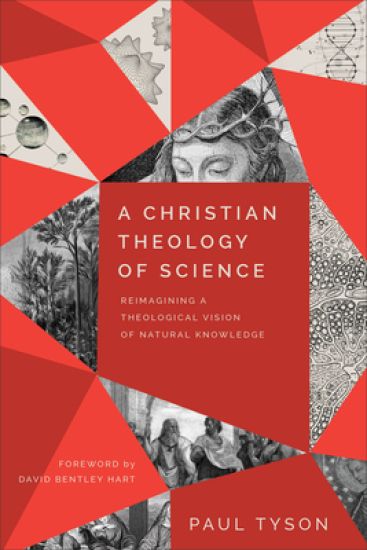
A Christian Theology of Science – Reimagining a Theological Vision of Natural Knowledge
Paul Tyson; David Hart
BAKER PUBLISHING GROUP
2022
nidottu
An author on the cutting edge of today's theology and science discussions argues that creedal Christianity has much to contribute to the ongoing conversation. This book contains an intellectual history of theology's engagement with science during the modern period, critiques current approaches, and makes a constructive proposal for how a Christian theological vision of natural knowledge can be better pursued. The author explains that it is good both for religion and for science when Christians treat theology as their first truth discourse. Foreword by David Bentley Hart.
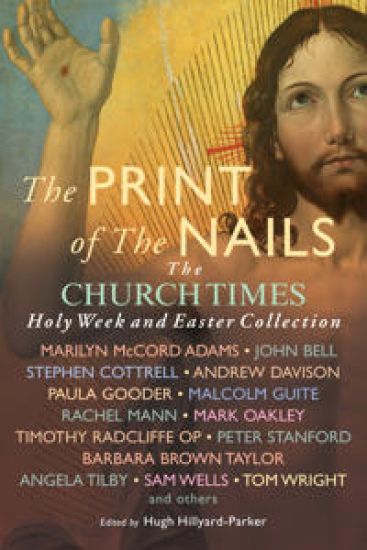
The Print of the Nails
Paula Gooder; Barbara Brown Taylor; David Hart; Timothy Radcliffe; Malcolm Guite; Mark Oakley; Rachel Mann; Tom Wright; Ben Quash; David Scott; Samuel Wells
CANTERBURY PRESS NORWICH
2022
nidottu
Each year, the Holy Week and Easter double issue of the Church Times offers a wealth of seasonal reading and resources for worship and preaching. This volume, like its companion Christmas collection, draws together outstanding features from the past twenty years. It includes: * Meditations on the Stations of the Cross by the poet David Scott; * A short story set in Gethsemane by David Hart; * Timothy Radcliffe on the alternative to conflict symbolised by the Last Supper; * Sam Wells on Pilate and what he - and we - could do differently; * Richard Harries on the art of Good Friday; * Peter Stanford on Judas; * Michael Perham on why Easter celebrations should start in the dark; * Stephen Cleobury on the carols of Easter; * Mark Oakley on the poetry of the cross; * Paula Gooder on why the resurrection is central to faith; * Reflections on the season's lectionary readings, and much besides. In life Jesus had 'nowhere to lay his head' and in death was laid in a borrowed tomb. Mindful of this, all royalties from this book will go to the Church Homeless Trust.
Originally published in 1983. The Indian nuclear power programme, both the earliest in the Third World and also one of the most comprehensive, is an important and instructive subject for a wide-ranging and detailed study. This book examines the origins and rationale of the Indian programme in the context of energy resources and consumption. It traces the progress of its historical development and leads up to an evaluation of its performance, in both technical and economic terms of both individual reactors and the programme as a whole. In addition, the book discusses India's nuclear explosion of 1974 and the possibilities for novel developments in nuclear power and other energy sources, such as coal, biogas, hydro and solar power. The author then sets the Indian programme into the world picture by comparing developments in India with those of the Third World (including developments in China and South Africa) and discusses the overall prospects for the Third World. This extremely informative account will appeal to readers with interest in energy, science, technology and Third World developments.
Part religious, part scientific study, The Ancient Anthropic Wisdom follows on from the Age of Aquarius - the Golden Age of Mankind, giving an insight into 'man' and his world as he never knew. Meditation tips, the hidden meaning of the Tree of Life, Solomon's Keys, Twin Souls and celestial guidance make for a truly fascinating read for everyone seeking answers to the mysteries of 'life' and 'man'.
Originally published in 1983. The Indian nuclear power programme, both the earliest in the Third World and also one of the most comprehensive, is an important and instructive subject for a wide-ranging and detailed study. This book examines the origins and rationale of the Indian programme in the context of energy resources and consumption. It traces the progress of its historical development and leads up to an evaluation of its performance, in both technical and economic terms of both individual reactors and the programme as a whole. In addition, the book discusses India's nuclear explosion of 1974 and the possibilities for novel developments in nuclear power and other energy sources, such as coal, biogas, hydro and solar power. The author then sets the Indian programme into the world picture by comparing developments in India with those of the Third World (including developments in China and South Africa) and discusses the overall prospects for the Third World. This extremely informative account will appeal to readers with interest in energy, science, technology and Third World developments.
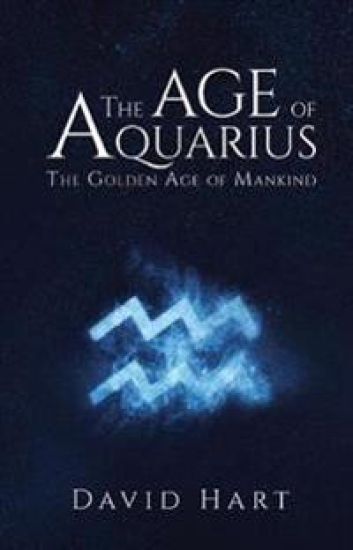
Part religious study and part scientific study The Age of Aquarius: The Golden Age of Mankind is a fascinating insight into religion, science and the stars. Split into chapters, providing tips on how to meditate, information on astrological symbolism, the Seven Seals and the planets, there is sure to be something to interest everyone in this book. There are chapters on each of the individual planets, and the book also contains diagrams and illustrations throughout, which will fascinate readers.
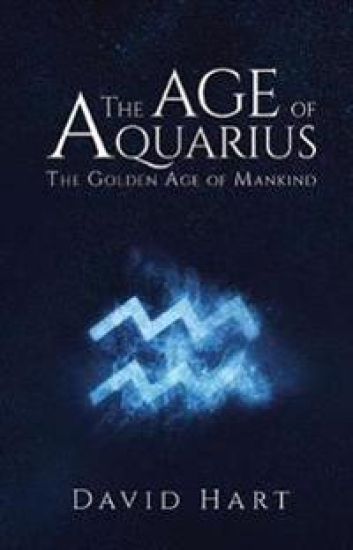
Part religious study and part scientific study The Age of Aquarius: The Golden Age of Mankind is a fascinating insight into religion, science and the stars. Split into chapters, providing tips on how to meditate, information on astrological symbolism, the Seven Seals and the planets, there is sure to be something to interest everyone in this book. There are chapters on each of the individual planets, and the book also contains diagrams and illustrations throughout, which will fascinate readers.
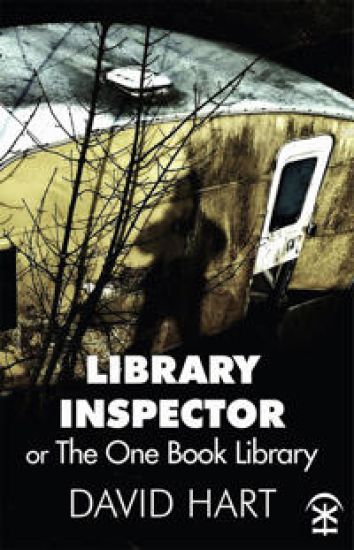
David Hart's Library Inspector is a requiem to libraries and to the power of books, with imaginative origins in the new Library of Birmingham, and its realisation here in the windswept landscape of coastal Mid Wales. As the figure of the Library Inspector struggles to keep up with disappearing librarians, tiny libraries with perplexing opening hours and a prized stock of just a few books, the landscape is altering and memories and books alike are carried off on the breeze and swallowed by the sea. Dreamlike and darkly-humoured, the Library Inspector's journey reveals a vanishing world with long shadows on the horizon. The narrator might be decidedly unreliable, and the fables fabulous, but at this poem's heart is a solemn melancholy in the face of a reality of library closures and fleeting time, for memory, for love and for the sake of words.