Kirjojen hintavertailu – 12 875 678 kirjaa ja 26 kauppaa

Kirjailija

David J. Lilja

Kirjat ja teokset yhdessä paikassa: 3 kirjaa, julkaisuja vuosilta 2004–2007, suosituimpiin kuuluu Measuring Computer Performance. Vertaile teosten hintoja ja tarkista saatavuus suomalaisista kirjakaupoista.

3 kirjaa

Kirjojen julkaisuvuodet: 2004–2007.

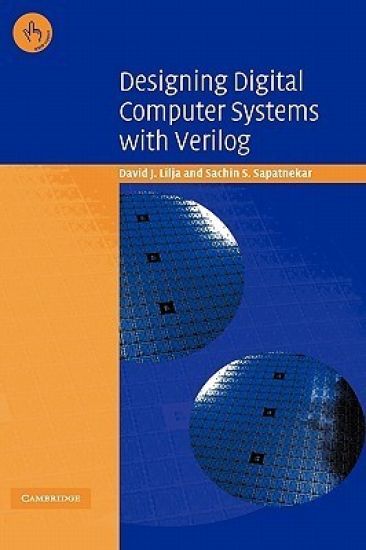
Designing Digital Computer Systems with Verilog

Designing Digital Computer Systems with Verilog

David J. Lilja; Sachin S. Sapatnekar

Cambridge University Press
2007
pokkari
This book serves both as an introduction to computer architecture and as a guide to using a hardware description language (HDL) to design, model and simulate real digital systems. The book starts with an introduction to Verilog - the HDL chosen for the book since it is widely used in industry and straightforward to learn. Next, the instruction set architecture (ISA) for the simple VeSPA (Very Small Processor Architecture) processor is defined - this is a real working device that has been built and tested at the University of Minnesota by the authors. The VeSPA ISA is used throughout the remainder of the book to demonstrate how behavioural and structural models can be developed and intermingled in Verilog. Although Verilog is used throughout, the lessons learned will be equally applicable to other HDLs. Written for senior and graduate students, this book is also an ideal introduction to Verilog for practising engineers.
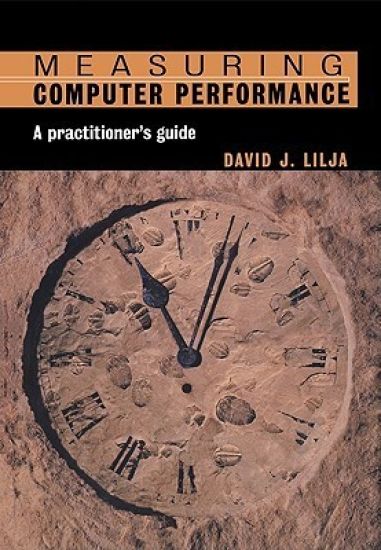
Measuring Computer Performance

Measuring Computer Performance

David J. Lilja

Cambridge University Press
2005
pokkari
Measuring Computer Performance sets out the fundamental techniques used in analyzing and understanding the performance of computer systems. Throughout the book, the emphasis is on practical methods of measurement, simulation, and analytical modeling. The author discusses performance metrics and provides detailed coverage of the strategies used in benchmark programmes. He gives intuitive explanations of the key statistical tools needed to interpret measured performance data. He also describes the general 'design of experiments' technique, and shows how the maximum amount of information can be obtained for the minimum effort. The book closes with a chapter on the technique of queueing analysis. Appendices listing common probability distributions and statistical tables are included, along with a glossary of important technical terms. This practically-oriented book will be of great interest to anyone who wants a detailed, yet intuitive, understanding of computer systems performance analysis.
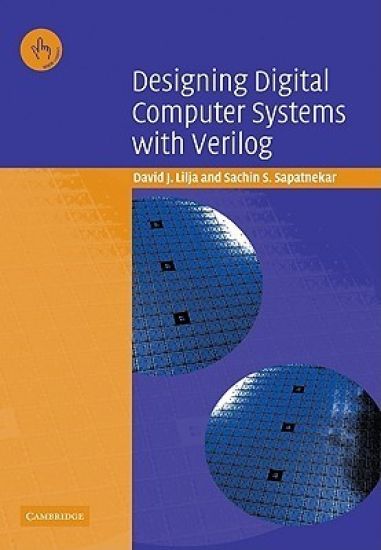
Designing Digital Computer Systems with Verilog

Designing Digital Computer Systems with Verilog

David J. Lilja; Sachin S. Sapatnekar

Cambridge University Press
2004
sidottu
This unique book serves both as an introduction to computer architecture and as a guide to using a hardware description language (HDL) to design, model and simulate real digital systems. The book starts with an introduction to Verilog - the HDL chosen for the book since it is widely used in industry and straightforward to learn. Next, the instruction set architecture (ISA) for the simple VeSPA (Very Small Processor Architecture) processor is defined – this is a real working device that has been built and tested at the University of Minnesota by the authors. The VeSPA ISA is used throughout the remainder of the book to demonstrate how behavioral and structural models can be developed and intermingled in Verilog. Although Verilog is used throughout, the lessons learned will be equally applicable to other HDLs. Written for senior and graduate students, this book is also an ideal introduction to Verilog for practising engineers.