Kirjojen hintavertailu – 12 859 818 kirjaa ja 27 kauppaa

Kirjailija

David Jacques

Kirjat ja teokset yhdessä paikassa: 8 kirjaa, julkaisuja vuosilta 2009–2024, suosituimpiin kuuluu Blick Mead: Exploring the 'first place' in the Stonehenge landscape. Vertaile teosten hintoja ja tarkista saatavuus suomalaisista kirjakaupoista.

8 kirjaa

Kirjojen julkaisuvuodet: 2009–2024.

Tudor and Stuart Royal Gardens

Tudor and Stuart Royal Gardens

David Jacques

OXBOW BOOKS
2024
nidottu
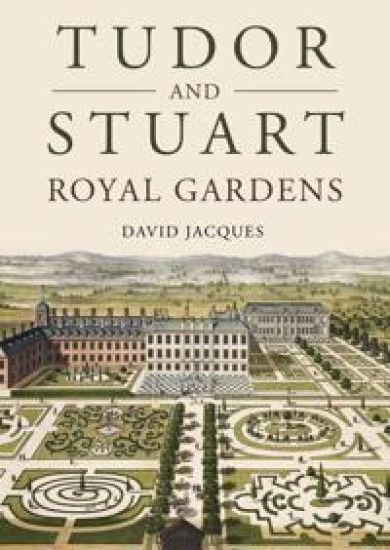
Monarchs, no less than their subjects, want to impress their guests. This book is about gardens as one aspect of creating favourable impressions – soft power – in particular through the royal gardens of England in Tudor and Stuart times. It addresses the backdrop of palaces, parks and gardens that were unspoken statements of authority and cultural achievement that gave status and credibility to the country’s representatives. Garden history from this perspective has been neglected hitherto; neither have the royal gardens been assessed as a collection in which monarchs favoured chosen sites for indulging their stylistic passions. Research on their forms and designs have in the past been accumulated piecemeal, without any sense of overview. This book contains a new analysis enabled by gathering information from numerous archaeological investigations, historic texts and the available visual material, together with extensive original research in the National Archives and elsewhere. Reconstruction drawings flesh out the narrative in the early years when maps, drawings and prints were so very scarce and are reproduced alongside the available material and the more abundant prints and paintings as the Stuart era draws to a close. Radical new understandings of the medieval garden in England serve as the starting point for a fresh narrative of the history of internationally significant English gardens in the sixteenth and seventeenth centuries. It will be of interest to architectural, garden design, social and political historians of the period and to a wide readership of those fascinated by how statecraft, foreign influences, and native innovation interwove for two centuries in our royal gardens and parks.
Chiswick House Gardens

Chiswick House Gardens

David Jacques

LIVERPOOL UNIVERSITY PRESS
2022
sidottu
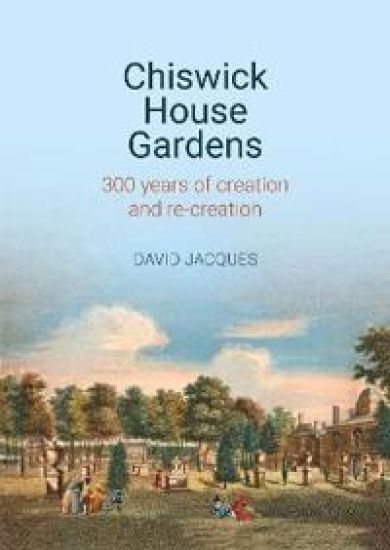
The grounds at Chiswick House are amongst the most iconic of all the historic gardens of Europe. In the 1720s they reflected Lord Burlington’s innovative ideas on Palladianism and antique gardens, whilst the area transformed by William Kent to give a rustic appearance in the early 1730s has been recognised as one of, or perhaps the, birthplace of the landscape garden. The grounds were periodically brought to the forefront of taste, reaching another high point as the venue for spectacular garden parties under the 6th Duke of Devonshire. As a garden of many periods it has given rise to passionate national debates since World War II on the principles of restoration, and as a public park it has been an important project assisted by the National Lottery Heritage Fund. Its renewed high state of keeping and its tranquil beauty belies its ‘deep’ history of intellectual debate, social tensions and practical difficulties. The book concentrates on the four main periods when Chiswick gardens were in the national spotlight, two when being in the forefront of taste and two concerning the restorations, the first being in the 1950s when the whole question of garden restoration was entirely new. The second restoration, on and off since 1988 intersects with the development of a philosophical stance and national policy on the restoration of parks and gardens. There is much of interest for art and architectural historians, garden historians, social historians and those local and international visitors who enjoy the finest public park in West London.
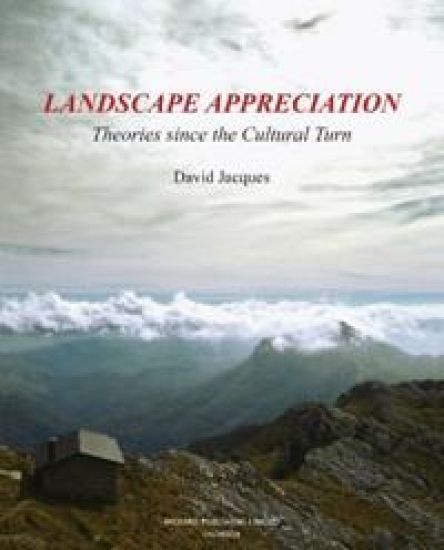
Landscape Appreciation

Landscape Appreciation

David Jacques

LIVERPOOL UNIVERSITY PRESS
2019
nidottu
Explanations for what makes one landscape scene preferred over another - formalistic, cultural and ecological - continue to be generated by landscape architects and land managers, philosophers and psychologists. This is needed for planning in the countryside and the protection of natural scenery, yet agreement still eludes us. This book does not favour any particular theory, but critiques the many theories seen over the last half-century. It informs readers of the main lines of argument so that they can make up their own minds. Part one, on post-war aesthetics, examines ideas about the unconscious, holism, overarching 'metanarratives', and the search for objectivity. Part two describes the consequences on the 'cultural turn' in that period, giving rise to new theories taking the human as reference. Cultural geography, cultural landscapes, changes in methods of assessment and some new ideas on landscape design are set in this context. Ecocentrism proposed a very different approach. The final part looks into the philosophical input, expanding upon 'environmental aesthetics'. It concludes with a more down-to-earth analysis of 'satisfactions' from immediate formal qualities, the sublime, meanings, and beauty. The balanced, didactic approach taken will make this a standard text for all those in teaching and in landscape practice.
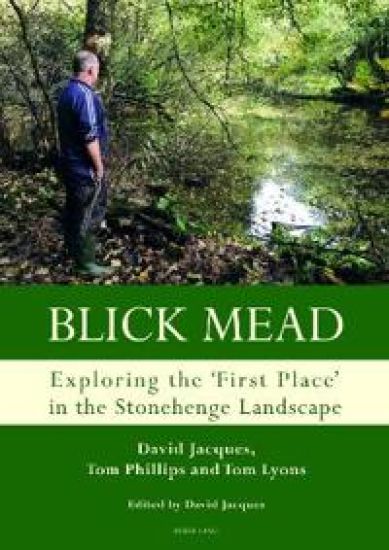
Blick Mead: Exploring the 'first place' in the Stonehenge landscape

Blick Mead: Exploring the 'first place' in the Stonehenge landscape

David Jacques; Tom Phillips; Tom Lyons

Peter Lang Ltd
2018
sidottu
The Stonehenge landscape is one of the most famous prehistoric places in the world, but much about its origins remains a mystery and little attention has been paid to what preceded, and thus may have influenced, its later ritual character. Now, the discovery of a uniquely long-lived Mesolithic occupation site at Blick Mead, just 2km from Stonehenge, with a detailed radio carbon date sequence ranging from the 8th to the late 5th millennium BC, is set to transform this situation. This book charts the story of the Blick Mead excavations, from the project's local community-based origins to a multi-university research project using the latest cutting-edge technology to address important new questions about the origins of the Stonehenge landscape. Led by the University of Buckingham, the project continues to retain the community of Amesbury at its heart. The investigations are ongoing but due to the immense interest in, and significance of the site, this publication seeks to present the details of and thoughts on the findings to date.
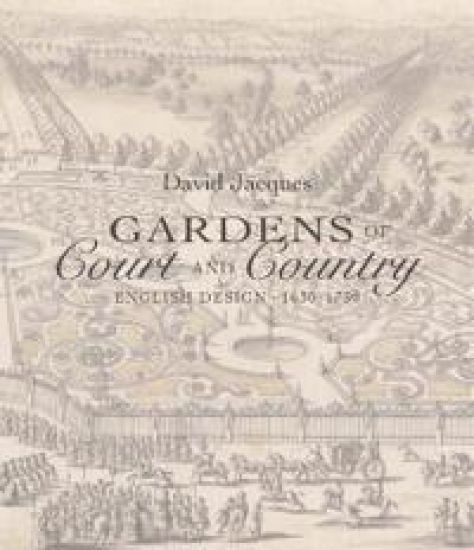
Gardens of Court and Country

Gardens of Court and Country

David Jacques

Yale University Press
2017
sidottu
Gardens of Court and Country provides the first comprehensive overview of the development of the English formal garden from 1630 to 1730. Often overshadowed by the English landscape garden that became fashionable later in the 18th century, English formal gardens of the 17th century displayed important design innovations that reflected a broad rethinking of how gardens functioned within society. With insights into how the Protestant nobility planned and used their formal gardens, the domestication of the lawn, and the transformation of gardens into large rustic parks, David Jacques explores the ways forecourts, flower gardens, bowling greens, cascades, and more were created and reimagined over time. This handsome volume includes 300 illustrations – including plans, engravings, and paintings – that bring lost and forgotten gardens back to life. Published in association with the Paul Mellon Centre for Studies in British Art
Landscape Modernism Renounced

Landscape Modernism Renounced

David Jacques; Jan Woudstra

Routledge
2009
nidottu
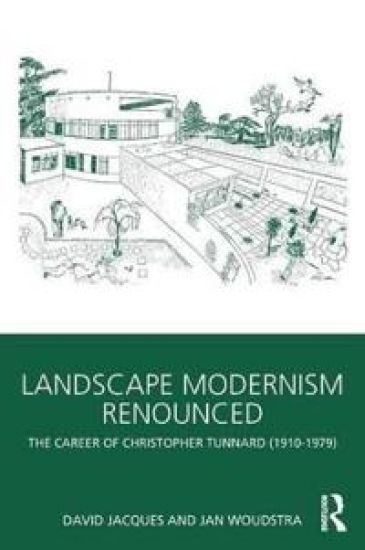
Before the Second World War landscape architect Christopher Tunnard was the first author on Modernism in Landscape in the English language, but later became alarmed by the destructive forces of Post-war reconstruction. Between the 1950s and the 1970s he was in the forefront of the movement to save the city, becoming an acclaimed author sympathetic to preservation. Ironically it was the Modernist ethos that he had so fervently advocated before the war that was the justification for the dismemberment of great cities by officials, engineers and planners. This was not the first time that Tunnard had to re-evaluate his principles, as he had done so in the 1930s in rejecting Arts-and-Crafts in favour of Modernism. This book tracks his changing ideology, by reference to his writings, his colleagues and his work. Christopher Tunnard is one of the most influential figures in Landscape Architecture and his journey is one that still resonates in the discipline today. His leading role in first embracing the tenets of Modernism and then moving away from to embrace a more conservationist approach can be seen in the success and impact on the profession of those with whom he worked and taught.
Landscape Modernism Renounced

Landscape Modernism Renounced

David Jacques; Jan Woudstra

Routledge
2009
sidottu
Before the Second World War landscape architect Christopher Tunnard was the first author on Modernism in Landscape in the English language, but later became alarmed by the destructive forces of Post-war reconstruction. Between the 1950s and the 1970s he was in the forefront of the movement to save the city, becoming an acclaimed author sympathetic to preservation. Ironically it was the Modernist ethos that he had so fervently advocated before the war that was the justification for the dismemberment of great cities by officials, engineers and planners. This was not the first time that Tunnard had to re-evaluate his principles, as he had done so in the 1930s in rejecting Arts-and-Crafts in favour of Modernism. This book tracks his changing ideology, by reference to his writings, his colleagues and his work. Christopher Tunnard is one of the most influential figures in Landscape Architecture and his journey is one that still resonates in the discipline today. His leading role in first embracing the tenets of Modernism and then moving away from to embrace a more conservationist approach can be seen in the success and impact on the profession of those with whom he worked and taught.