Kirjojen hintavertailu – 12 859 826 kirjaa ja 27 kauppaa
Kirjailija
David Johnston
Kirjat ja teokset yhdessä paikassa: 55 kirjaa, julkaisuja vuosilta 1987–2026, suosituimpiin kuuluu John Buchan. Vertaile teosten hintoja ja tarkista saatavuus suomalaisista kirjakaupoista.
A fledgling vampire from Paris, a genetically-enhanced werewolf, a ruffian with no love for anyone, and a lonely samurai. The reader will come to know and root for all of them. An intrigue-filled adventure following the lives and deaths of interwoven characters across the grand canvas of a war between Vampires and Lupines. Beginning humbly with a single lead, the tale opens up with shifting viewpoints, exploring and uncovering the intricate details of various characters and their lives and actions through the battles they face. Action, intrigue and horror combine to form a complex story with unbelievable characters thrust into the abnormal.
A fledgling vampire from Paris, a genetically-enhanced werewolf, a ruffian with no love for anyone, and a lonely samurai are just a handful of the characters that the reader will come to know and root for in this story. An intrigue-filled adventure following the lives and deaths of interwoven characters across the grand canvas of a war between Vampires and Lupines. Beginning humbly with a single lead, the tale opens up with shifting viewpoints, exploring and uncovering the intricate details of various characters and their lives and actions through the battles they face. Action, intrigue and horror combine to form a complex story with unbelievable characters thrust into the abnormal.
Property for Life is an essential guide to the property and finance decisions that Australian homebuyers and investors face throughout the various ages and stages of their lives. Property for Life is the story of Jim and Jane and their property decisions. The book follows them as they buy their first property, have a family, upgrade to a new home, buy an investment property, downsize to a lower maintenance home when their children leave the nest and finally use property as a source of income in their retirement years. As Jim and Jane reach the various property milestones in their lives, the investing principles and general property and financial options available and the pros and cons of these are covered. Issues covered include: saving for a depositsecuring a mortgagemortgage insuranceresearching the marketscouting the marketnegotiating the purchasepreparing your home for saledeveloping an investment strategyreducing debttax effective investmentasset protectionmaximising cashflowplanning for retirementdealing with life changes eg having children, working for yourself Through Jim and Jane's story, Property for Life brings a human dimension to property investing that other books lack. Regardless of whether you are part of a couple, or what age and stage you are at in your life, all readers will be able to identify with Jim and Jane's situation and draw knowledge for their own property investing journey.
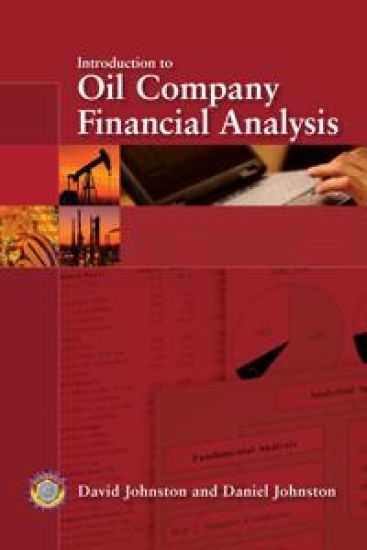
This title is written by David Johnston and Daniel Johnston. There has always been a bit of magic in the stock market, especially when it comes to oil companies. When the oil industry and the stock market get together, the affair is usually dynamic and not always pleasant. Basic principles are widely understood in the financial industry, but the terminology and analytical techniques can vary greatly. This book is written for the nonfinancial shareholders, managers, and oil company employees interested in the forces that influence stock values. The bottom line in any company is expressed in the language of finance. This book explains financial concepts in a nontechnical, practical way so that nonfinancial professionals and others may understand and appreciate this aspect of the business. The value information found in this book includes: abbreviations and expanded definitions of key terms; energy conversion factors; reporting systems & statements; and stock tables explained.
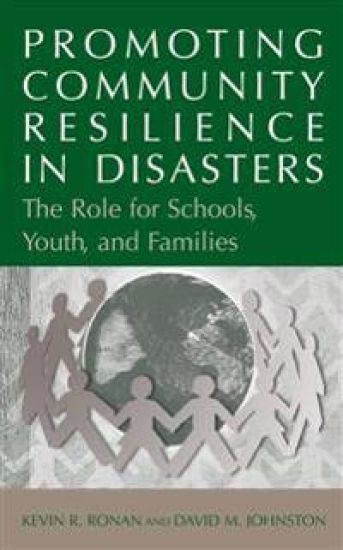
A myriad of models are available to guide practice before, during, and following disasters. As emphasized in this book, we value the role of research in informing our assessment, education, and intervention efforts in this area. Keeping an eye on those elements that have research backing certainly assists with quality control generally. However, more specifically, we also stress the idea that there is evidence to support a role for hope and positive expectations in the motivation and engagement process. In addition, the more that people, including youth and adults, actively participate in efforts designed to help, the more benefits they tend to receive. The role of research in providing that initial hope and inspiring more active engagement with internal and external resources before, during, and after a disaster is part of the foundation of our practice in this area. In fact, in the clinical psychology training program directed by the senior author, the idea that we attempt to inculcate with our trainees is the idea of “hope and engagement on an evidence-based foundation.” Consequently, we do advocate for models of practice that have identified “active ingredients” that are included: those particularly identified through controlled evaluation research. However, it is also the case that a number of risk and protective factors identified through a number of studies (e.g., see Chapter 2) have as yet to be systematically included.
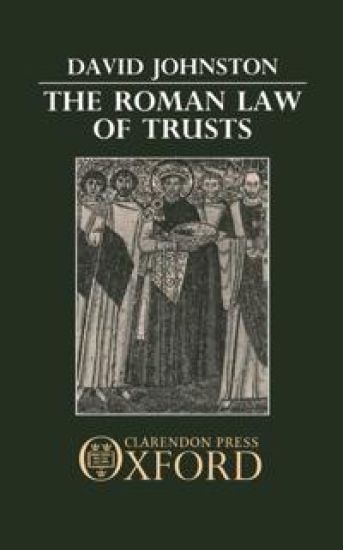
Few legal institutions developed solely under the Roman Empire, but there is one which can provide a rare illustration of the emperors' involvement in building private law: although Roman law did not recognize a `trust' in the same sense as it is used in common law today, it did develop a device - the fideicommissum - which achieved very similar ends. It has remained largely ignored, and yet it is an ideal case study in the evolution of law. As the most versatile institution of Roman inheritance law, it crucially affected the strategies of succession open to testators, and gives insights into a social history of testators' ambitions and legislative concerns. Over six centuries the trust expanded at the expense of established legal institutions, and with Justinian's reforms it finally became dominant. This book studies the history of the trust and its rise to prominence, with reference to the possible influence of the Roman `fideicommissum'.