Kirjojen hintavertailu – 12 859 818 kirjaa ja 27 kauppaa
Kirjailija
David Kline
Kirjat ja teokset yhdessä paikassa: 10 kirjaa, julkaisuja vuosilta 1999–2021, suosituimpiin kuuluu Horse-Powered Farming for the 21st Century. Vertaile teosten hintoja ja tarkista saatavuus suomalaisista kirjakaupoista.
In this short but power-packed devotional, the author shares his personal journey using his gift of prayer to encourage and comfort the reader. Voice from the Heart begins with an overview of prayer and the benefits that intimate communion with God offer. The book's themes are to be present to contemplate the surrounding beauty and to embrace a daily prayer walk with the Spirit. This book is divided into five parts, each comprised of several brief sections. Each part includes related devotional topics broken into two additional parts: narration with thought-provoking readings and a prayerful inspiration or contemplation to motivate the reader. His thoughts on prayer include relevant topics, such as wisdom, grace, faith, peace, redemption, and turning burdens over to the Lord. He wraps up with a biblical model to follow for men and women and a final conclusion to further inspire the reader to continue in prayer.
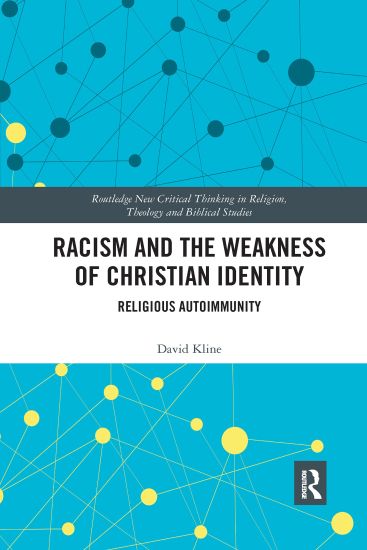
Despite the command from Christ to love your neighbour, Western Christianity has continued to be afflicted by the evil of racism and the acts of violence that accompany it. Through a systems theoretical and deconstructive account of religion and the political theology of St. Paul, this book traces how the racism and violence of modern Western Christianity is a symptom of its failure to secure its own myth of sovereignty within a complex world of plurality. Divided into three sections, the book begins with a philosophical and critical account of what it calls the immune system of Christian identity. Focusing on Pauline political theology as reflective of an inherent religious "autoimmunity" built into Christian community, a theory of theological-political violence is located within Western Christianity. The second section traces major theoretical aspects of the historical "apparatus" of Christian Identity. It demonstrates that it is ultimately around the figure of the black slave that racialized Christian identity becomes a system of anti-blackness and white supremacy. The book concludes by offering strategies for thinking resistance against such racialised Christian identity. It does this by constructing a "pragmatics of faith" by engaging Deleuze’s and Guattari’s use of the term pragmatics, Moten’s theory of black fugitivity, and Long’s account of African American religious production. This wide-ranging and interdisciplinary view of Christianity’s relationship to racism will be of keen interest to scholars of Religious Studies, Theological Studies, Cultural Studies, Critical Race Studies, American Studies, and Critical Theory.
Despite the command from Christ to love your neighbour, Western Christianity has continued to be afflicted by the evil of racism and the acts of violence that accompany it. Through a systems theoretical and deconstructive account of religion and the political theology of St. Paul, this book traces how the racism and violence of modern Western Christianity is a symptom of its failure to secure its own myth of sovereignty within a complex world of plurality. Divided into three sections, the book begins with a philosophical and critical account of what it calls the immune system of Christian identity. Focusing on Pauline political theology as reflective of an inherent religious "autoimmunity" built into Christian community, a theory of theological-political violence is located within Western Christianity. The second section traces major theoretical aspects of the historical "apparatus" of Christian Identity. It demonstrates that it is ultimately around the figure of the black slave that racialized Christian identity becomes a system of anti-blackness and white supremacy. The book concludes by offering strategies for thinking resistance against such racialised Christian identity. It does this by constructing a "pragmatics of faith" by engaging Deleuze’s and Guattari’s use of the term pragmatics, Moten’s theory of black fugitivity, and Long’s account of African American religious production. This wide-ranging and interdisciplinary view of Christianity’s relationship to racism will be of keen interest to scholars of Religious Studies, Theological Studies, Cultural Studies, Critical Race Studies, American Studies, and Critical Theory.
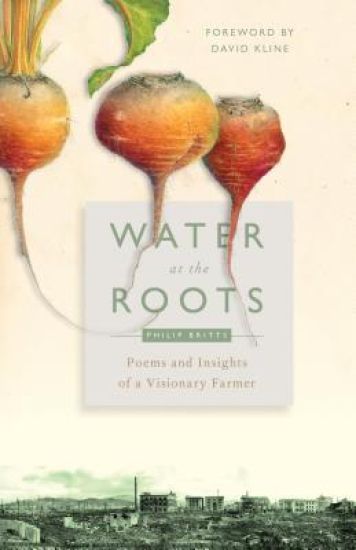
In a society uprooted by two world wars, industrialization, and dehumanizing technology, a revolutionary farmer turns to poetry to reconnect his people to the land and one another. A farmer, poet, activist, pastor, and mystic, Britts (1917–1949) has been called a British Wendell Berry. His story is no romantic agrarian elegy, but a life lived in the thick of history. As his country plunged headlong into World War II, he joined an international pacifist community, the Bruderhof, and was soon forced to leave Europe for South America. Amidst these great upheavals, his response – to root himself in faith, to dedicate himself to building community, to restore the land he farmed, and to use his gift with words to turn people from their madness – speaks forcefully into our time. In an age still wracked by racism, nationalism, materialism, and ecological devastation, the life he chose and the poetry he composed remain a prophetic challenge.
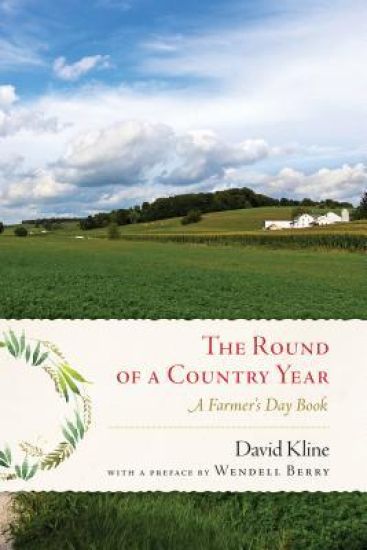
David Kline has been called a  twentieth-century Henry David Thoreau" by his friends and contemporaries; an apt comparison given the quiet exuberance with which he records the quotidian goings-on on his organic family farm. Under David's attentive gaze and in his clear, insightful prose the reader is enveloped in the rhythms of farm life; not only the planting and harvesting of crops throughout the year, but the migration patterns of birds, the health and virility of honeybees left nearly to their own devices, the songs and silences of frogs and toads, the disappearance and resurgence of praying mantises in fields-turned woodlands, the search for monarch butterflies in the milkweed. There's rhythm in community, too neighbors gathering to plant potatoes or to maintain an elderly friend's tomato garden, organic farming conferences and meetings around family dining tables or university panels. Interspersed with local lore (when the spring's first bumblebee appears the children can go barefoot) is deep technical knowledge of cultivation and land management and the hazards of modern agri-business. Kline records statewide meetings of district supervisors, knows which speakers and committee chairmen are in the pockets of the oil and gas lobbyists, stands up and says his part. At a time when America's population is being turned toward the benefits of small, local farming practices on our health and our environment, Kline's daybook offers a striking example of the ways in which we are connected to our environment, and the pleasure we can take in daily work and stewardship.
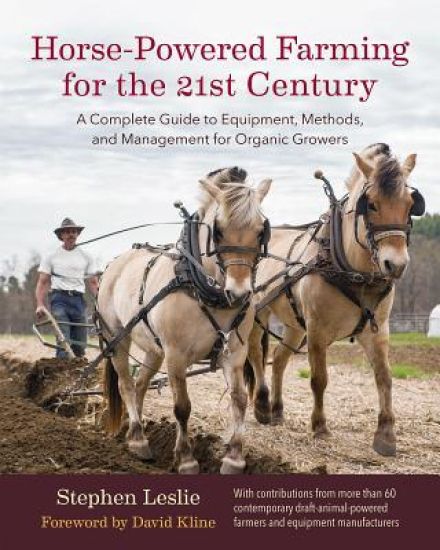
With contributions from more than 60 contemporary draft-animal-powered farmers and equipment manufacturers Now is a time of exciting new developments for live animal power. As the numbers of adherents to this way of life grow, ecologically minded farmers in their fields are developing efficient horse-drawn systems, and equipment manufacturers in small shops all across North America and Europe are coming forth with new innovations in ground-drive technology that have us poised on the cusp of another agricultural revolution—with working horses, mules, donkeys, and oxen at the heart of it. Stephen Leslie’s first book, The New Horse-Powered Farm, presented an overview of the many facets of running a small, diversified farm with live horse power. Horse-Powered Farming for the 21st Century is focused entirely on the tools and methods required to successfully manage the horse-powered market garden with draft animal power. However, this is not a step-by-step how-to guide outlining one single system, but rather a manual that presents a range of options and approaches. Leslie examines the function and use of all the implements typically employed on a contemporary draft-animal-powered market garden and illustrates these points with insightful reports from the field, farm profiles, and home-built solutions contributed by over sixty draft animal-powered farmers from across North America and Europe. Each teamster’s story represents a patch in a quilt that is woven together with a narrative thread to guide the reader through the whole fabric of the growing season, from soil preparation to harvest. The book structure follows the seasonal progression of implements, beginning with several examples of contemporary draft-animal-powered produce farms; next an examination of the versatile utility of forecarts; then taking an in-depth look at fertility management on the farm; moving on through primary and secondary tillage, seeding and transplanting; then on to the multifold options for cultivators, tool carriers, and multipurpose implements, with technical harnessing and hitching details for the best use of the implements. For experienced teamsters and beginning market growers farming with horses, this is an invaluable and one-of-a-kind guide, sure to last forever in the agricultural canon.
From "Forbes" and "Fortune" to the "Wall Street Journal" and "Harvard Business Review", the pundits are calling it the next corporate strategy challenge: how to use patents and other intellectual property not just as legal tools but as weapons of business competition. With "Rembrandts in the Attic", authors Kevin Rivette and David Kline provide the first practical and strategic guide that shows CEOs and other managers how to unlock the enormous financial and competitive power hidden in their patent portfolios. Writing engagingly and citing numerous case studies, the authors warn that firms can no longer ignore the growing power of patents in business competition. The competitive battles once fought for control of markets and raw materials are today increasingly being waged over the exclusive rights to new ideas and innovations. Where once executives may have feared that their competitors might out-market or out-produce them, they must now be concerned that rivals - especially in the booming e-commerce sectors of the Internet - may secure exclusive patent rights to the essential technologies or even to the fundamental business concepts that they need to be in business in the first place. "Rembrandts in the Attic" lifts the veil of secrecy surrounding the use of patents in business competition today, showing how some of the world's most successful firms - market leaders such as Intel and Microsoft, Lucent and Gillette, IBM, and Priceline.com - have used patents to capture and defend markets, outflank rivals, boost bottom-line revenues and shareholder return, and enhance the commercial success of their enterprises. "Rembrandts in the Attic" is a superb strategy guide that demonstrates the cross-functional value companies can gain by using patents and the gold mine of competitive intelligence that they contain. The book will enable readers to map out technology trends and convergences, uncover the strategies and capabilities of friends and foes alike, and strengthen the competitive efforts of every functional unit in the enterprise, from R&D and marketing to finance, human resources, and mergers and acquisitions. CEOs will learn how to use the authors' patent-enhanced 'Grow-Fix-Sell triage' to help them better allocate corporate resources and build a higher growth portfolio of businesses. R&D managers can employ the authors' 'IP-3' strategy to help build category-leading products, amplify the branding and marketing efforts devoted to them, and secure the key 'choke points' that sustain their product or service advantage. And business development executives will discover how to use patents as competitive intelligence tools to uncover the most attractive M&A opportunities, strengthen valuation and due diligence efforts, and configure asset sales and transfers to greatest advantage. If patents are the 'smart bombs' of tomorrow's business wars, then "Rembrandts in the Attic" is the definitive guide to deploying them for profit and competitive advantage.
David Kline came upon a sleeping woodchuck one summer day as he walked the land near his farm. In a gesture that speaks eloquently of Kline's relationship with the natural world, he scratched the animal gently with his walking stick, and the sleeping creature arched its back with pleasure at the attention. Like its title, this collection of essays on nature, farming, animals, insects, and other topics bespeaks the gentle demeanor and appreciation for nature that shape the author's descriptions of the world around him. Whether sharing his fondness for watching clouds while he rests his horses or for planting flowers in his favorite spot in the woods, David Kline offers a view of life that few of us take time to experience. Scratching the Woodchuck resounds with knowledge, reverence, and a joyful spirit, and to follow Kline's explorations of the landscape and animals around his farm is to sense and come to share his respect for and unity with the earth.