Kirjojen hintavertailu – 12 859 819 kirjaa ja 27 kauppaa

Kirjailija

David L. Streiner

Kirjat ja teokset yhdessä paikassa: 5 kirjaa, julkaisuja vuosilta 2010–2024, suosituimpiin kuuluu A Guide for the Statistically Perplexed. Vertaile teosten hintoja ja tarkista saatavuus suomalaisista kirjakaupoista.

5 kirjaa

Kirjojen julkaisuvuodet: 2010–2024.

Health Measurement Scales

Health Measurement Scales

David L. Streiner; Geoffrey R. Norman; John Cairney

Oxford University Press
2024
nidottu

Halvin toimitettuna 62,00 €

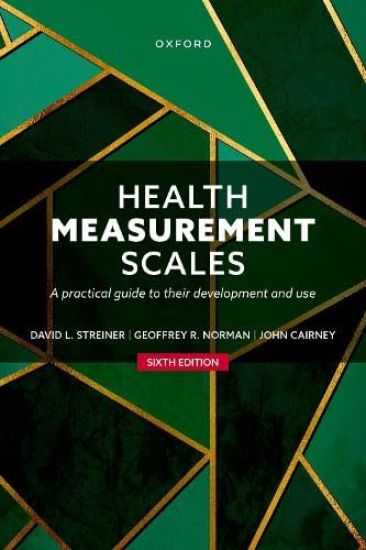
Health Measurement Scales is the ultimate guide to appraising, developing, and validating measurement scales that are used in the health sciences. Written in a clear and practical style, this guide enables clinicians and researchers to both develop scales to measure subjective states and non-tangible health outcomes, as well as evaluate and differentiate among existing tools. Topics presented in the order that scales are constructed: how the individual items are developed, biases that can affect responses, various response options, how to select the best items in the set, how to combine them into a scale; and finally how to determine the reliability and validity of the scale. Fully updated to reflect recent developments in the field and the latest survey methods. The new edition contains updated information on generalizability theory and item response theory, and integration of qualitative research methods into scale design and testing. Including guidelines, appendices and checklists, this useful book is a must-read for any practitioner dealing with any kind of subjective measurement.

Health Measurement Scales

Health Measurement Scales

David L. Streiner; Geoffrey R. Norman; John Cairney

Oxford University Press
2014
nidottu
Clinicians and those in health sciences are frequently called upon to measure subjective states such as attitudes, feelings, quality of life, educational achievement and aptitude, and learning style in their patients. This fifth edition of Health Measurement Scales enables these groups to both develop scales to measure non-tangible health outcomes, and better evaluate and differentiate between existing tools. Health Measurement Scales is the ultimate guide to developing and validating measurement scales that are to be used in the health sciences. The book covers how the individual items are developed; various biases that can affect responses (e.g. social desirability, yea-saying, framing); various response options; how to select the best items in the set; how to combine them into a scale; and finally how to determine the reliability and validity of the scale. It concludes with a discussion of ethical issues that may be encountered, and guidelines for reporting the results of the scale development process. Appendices include a comprehensive guide to finding existing scales, and a brief introduction to exploratory and confirmatory factor analysis, making this book a must-read for any practitioner dealing with this kind of data.
A Guide for the Statistically Perplexed

A Guide for the Statistically Perplexed

David L. Streiner

University of Toronto Press
2013
pokkari
Do statistics-heavy research papers give you a headache? Are you baffled by bias, confused by correlation, or flummoxed by F-tests? A Guide for the Statistically Perplexed is here to help! This book is designed to assist students, clinicians, and researchers in becoming familiar with statistical and research techniques by covering the essentials of the topic and drawing attention to many common problem areas. Inspired to write on this topic in reaction to mistakes he encountered in actual papers, David L. Streiner uses his trademark sense of humour and light-hearted style to explain complex statistical concepts in lucid, jargon-free language. Streiner delves into topics such as presenting data (or, conversely, how not to), statistical techniques, and more advanced procedures. To help readers detect problems with research design and interpretation, he details important ‘CRAP’ (convoluted reasoning or anti-intellectual pomposity) detectors for which they should watch out. Even those with little or no background in statistics, measurement theory, or research will come out of A Guide for the Statistically Perplexed with a new understanding and appreciation of these topics.
Mental Disorder in Canada

Mental Disorder in Canada

John Cairney; David L. Streiner

University of Toronto Press
2010
pokkari
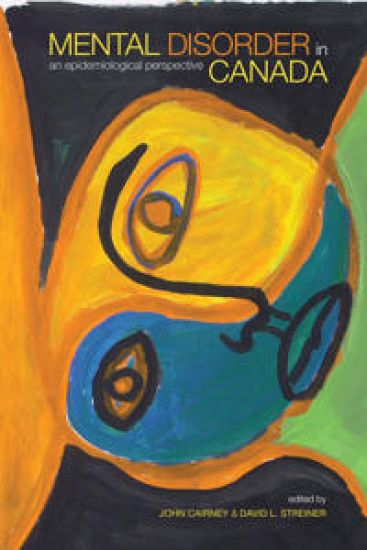
Canada has long been recognized as a leader in the field of psychiatric epidemiology, the study of the factors affecting mental health in populations. However, there has never been a book dedicated to the study of mental disorder at a population level in Canada. This collection of essays by leading scholars in the discipline uses data from the country's first national survey of mental disorder, the Canadian Community Health Survey of 2005, to fill that gap. Mental Disorder in Canada explores the history of psychiatric epidemiology, evaluates methodological issues, and analyzes the prevalence of several significant mental disorders in the population. The collection also includes essays on stigma, mental disorder and the criminal justice system, and mental health among women, children, workers, and other demographic groups. Focusing specifically on Canadian scholarship, yet wide-reaching in scope, Mental Disorder in Canada is an important contribution to the dissemination and advancement of knowledge on psychiatric epidemiology.
Mental Disorder in Canada

Mental Disorder in Canada

John Cairney; David L. Streiner

University of Toronto Press
2010
sidottu
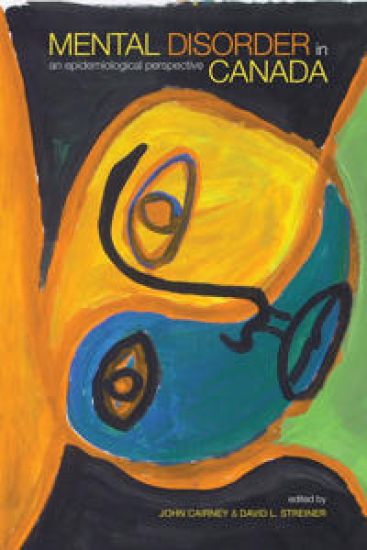
Canada has long been recognized as a leader in the field of psychiatric epidemiology, the study of the factors affecting mental health in populations. However, there has never been a book dedicated to the study of mental disorder at a population level in Canada. This collection of essays by leading scholars in the discipline uses data from the country's first national survey of mental disorder, the Canadian Community Health Survey of 2005, to fill that gap. Mental Disorder in Canada explores the history of psychiatric epidemiology, evaluates methodological issues, and analyzes the prevalence of several significant mental disorders in the population. The collection also includes essays on stigma, mental disorder and the criminal justice system, and mental health among women, children, workers, and other demographic groups. Focusing specifically on Canadian scholarship, yet wide-reaching in scope, Mental Disorder in Canada is an important contribution to the dissemination and advancement of knowledge on psychiatric epidemiology.