
Kirjailija
David M. Moffitt
Kirjat ja teokset yhdessä paikassa: 6 kirjaa, julkaisuja vuosilta 2011–2025, suosituimpiin kuuluu Atonement and the Logic of Resurrection in the Epistle to the Hebrews. Vertaile teosten hintoja ja tarkista saatavuus suomalaisista kirjakaupoista.
6 kirjaa
Kirjojen julkaisuvuodet: 2011–2025.
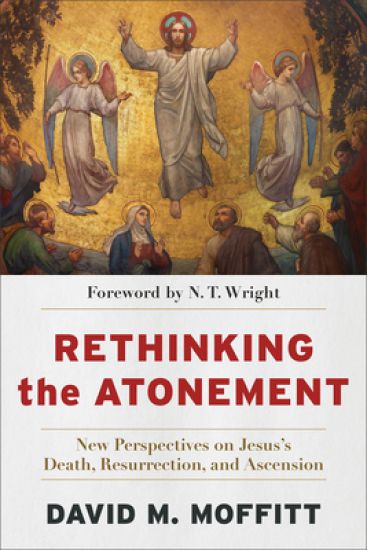
Rethinking the Atonement – New Perspectives on Jesus`s Death, Resurrection, and Ascension
David M. Moffitt; N. T. Wright
BAKER PUBLISHING GROUP
2023
nidottu
Halvin toimitettuna 33,80 €
Traditional views of the atonement tend to be reductive, focusing solely on Jesus's death on the cross. In his 2011 groundbreaking book Atonement and the Logic of Resurrection in the Epistle to the Hebrews, David Moffitt challenged that paradigm, showing how the atonement is a fuller process. It involves not only Jesus's death but also his resurrection, ascension, offering, and exaltation. In the succeeding years, Moffitt has continued to expand and clarify his thinking on this issue. This book offers a more fulsome articulation of his work on the atonement that reflects his recent thinking on the topic. Moffitt continues to challenge reductive views of the atonement, primarily from the book of Hebrews, but he engages other New Testament passages as well. He offers fresh insights on sacrifice and atonement, the importance of resurrection and ascension, Jesus's role as priest, and a new perspective on Hebrews. This important book brings Moffitt's award-winning and influential scholarship to a broader audience. The book includes a foreword by N. T. Wright.
Traditional views on the atonement tend to be reductive, focusing solely on Jesus's death on the cross. In his 2011 groundbreaking book Atonement and the Logic of Resurrection in the Epistle to the Hebrews, David Moffitt challenged that paradigm, showing how the atonement is a fuller process. It involves not only Jesus's death but also his resurrection, ascension, offering, and exaltation. In the succeeding years, Moffitt has continued to expand and clarify his thinking on this issue. This book offers a more fulsome articulation of his work on the atonement that reflects his recent thinking on the topic. Moffitt continues to challenge reductive views of the atonement, primarily from the book of Hebrews, but he engages other New Testament passages as well. He offers fresh insights on sacrifice and atonement, the importance of resurrection and ascension, Jesus's role as priest, and new perspective on Hebrews. This important book brings Moffitt's award-winning and influential scholarship to a broader audience. The book includes a foreword by N. T. Wright.
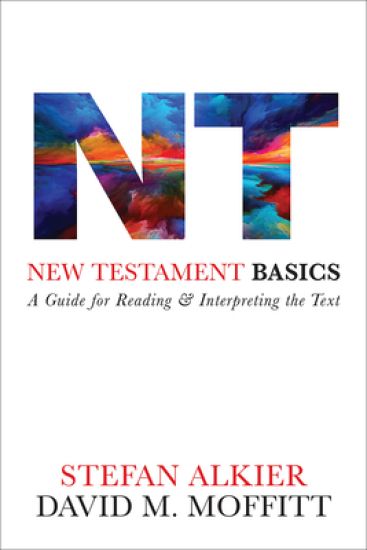
New Testament Basics introduces college, university, seminary, and divinity school students to the study of the New Testament. Authors Stefan Alkier and David Moffitt adopt five major aims: (i) to explore how the Bible came to exist, dealing with the formation and significance of the Christian canon; (ii) to discuss the ways the Bible continues to exert influence on contemporary culture, demonstrating the ongoing value and importance of biblical literacy; (iii) to introduce readers to some of the most fundamental methods used in the study of the New Testament, including a substantial discussion of semiotics and its usefulness for New Testament interpretation; (iv) to provide a survey of central historical, social, and economic information as important contextual knowledge for interpreting the New Testament; and (v) to offer some brief discussion of the contents of several New Testament texts and consider ways they might inform theological reflection. In the end, Alkier and Moffitt's New Testament Basics fosters within students important competencies needed to read and interpret the New Testament for themselves.
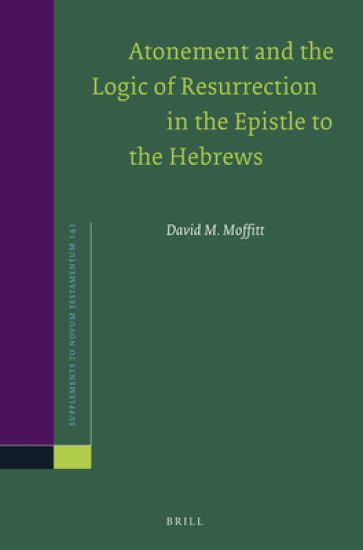
Atonement and the Logic of Resurrection in the Epistle to the Hebrews
David M. Moffitt
BRILL
2013
nidottu
Scholars often explain Hebrews’ relative silence regarding Jesus’ resurrection by emphasizing the author’s appeal to Yom Kippur’s two key moments—the sacrificial slaughter and the high priest’s presentation of blood in the holy of holies—in his distinctive portrayal of Jesus’ death and heavenly exaltation. The writer’s depiction of Jesus as the high priest whose blood effected ultimate atonement appears to be modeled upon these two moments. Such a typology discourages discrete reflection on Jesus’ resurrection. Drawing on contemporary studies of Jewish sacrifice (which note that blood represents life, not death), parallels in Jewish apocalyptic literature, and fresh exegetical insights, this volume demonstrates that Jesus’ embodied, resurrected life is crucial for the high-priestly Christology and sacrificial soteriology developed in Hebrews.
Atonement and the Logic of Resurrection in the Epistle to the Hebrews
David M. Moffitt
BRILL
2011
sidottu
Scholars often explain Hebrews’ relative silence regarding Jesus’ resurrection by emphasizing the author’s appeal to Yom Kippur’s two key moments—the sacrificial slaughter and the high priest’s presentation of blood in the holy of holies—in his distinctive portrayal of Jesus’ death and heavenly exaltation. The writer’s depiction of Jesus as the high priest whose blood effected ultimate atonement appears to be modeled upon these two moments. Such a typology discourages discrete reflection on Jesus’ resurrection. Drawing on contemporary studies of Jewish sacrifice (which note that blood represents life, not death), parallels in Jewish apocalyptic literature, and fresh exegetical insights, this volume demonstrates that Jesus’ embodied, resurrected life is crucial for the high-priestly Christology and sacrificial soteriology developed in Hebrews.