Kirjojen hintavertailu – 12 859 827 kirjaa ja 27 kauppaa

Kirjailija

David P. Chandler

Kirjat ja teokset yhdessä paikassa: 6 kirjaa, julkaisuja vuosilta 1993–2019, suosituimpiin kuuluu The Khmers. Vertaile teosten hintoja ja tarkista saatavuus suomalaisista kirjakaupoista.

Nimi esiintyy myös muodoissa: David P Chandler

6 kirjaa

Kirjojen julkaisuvuodet: 1993–2019.

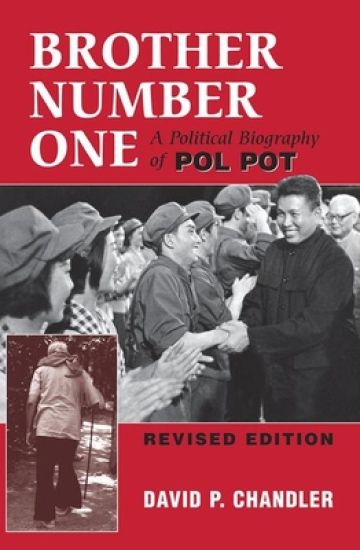
Brother Number One

Brother Number One

David P Chandler

Routledge
2019
sidottu
In the tragic recent history of Cambodia?a past scarred by a long occupation by Vietnamese forces and by the preceding three-year reign of terror by the brutal Khmer Rouge?no figure looms larger or more ominously than that of Pol Pot. As secretary of the Central Committee of the Communist Party of Kampuchea (CPK) since 1962 and as prime minister of
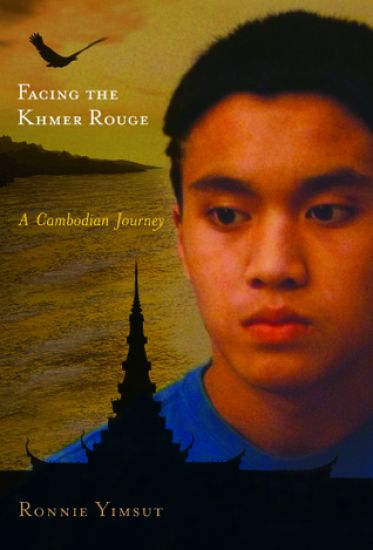
Facing the Khmer Rouge

Facing the Khmer Rouge

Ronnie Yimsut; David P. Chandler; David Savin

Rutgers University Press
2011
sidottu
As a child growing up in Cambodia, Ronnie Yimsut played among the ruins of the Angkor Wat temples, surrounded by a close-knit community. As the Khmer Rouge gained power and began its genocidal reign of terror, his life became a nightmare. In this stunning memoir, Yimsut describes how, in the wake of death and destruction, he decides to live. Escaping the turmoil of Cambodia, he makes a perilous journey through the jungle into Thailand, only to be sent to a notorious Thai prison. Fortunately, he is able to reach a refugee camp and ultimately migrate to the United States, where he attended the University of Oregon and became an influential leader in the community of Cambodian immigrants. Facing the Khmer Rouge shows Ronnie Yimsut’s personal quest to rehabilitate himself, make a new life in America, and then return to Cambodia to help rebuild the land of his birth.
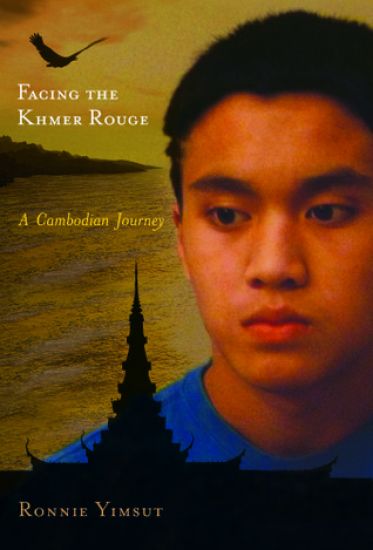
Facing the Khmer Rouge

Facing the Khmer Rouge

Ronnie Yimsut; David P. Chandler; David Savin

Rutgers University Press
2011
nidottu
As a child growing up in Cambodia, Ronnie Yimsut played among the ruins of the Angkor Wat temples, surrounded by a close-knit community. As the Khmer Rouge gained power and began its genocidal reign of terror, his life became a nightmare. In this stunning memoir, Yimsut describes how, in the wake of death and destruction, he decides to live. Escaping the turmoil of Cambodia, he makes a perilous journey through the jungle into Thailand, only to be sent to a notorious Thai prison. Fortunately, he is able to reach a refugee camp and ultimately migrate to the United States, where he attended the University of Oregon and became an influential leader in the community of Cambodian immigrants. Facing the Khmer Rouge shows Ronnie Yimsut’s personal quest to rehabilitate himself, make a new life in America, and then return to Cambodia to help rebuild the land of his birth.
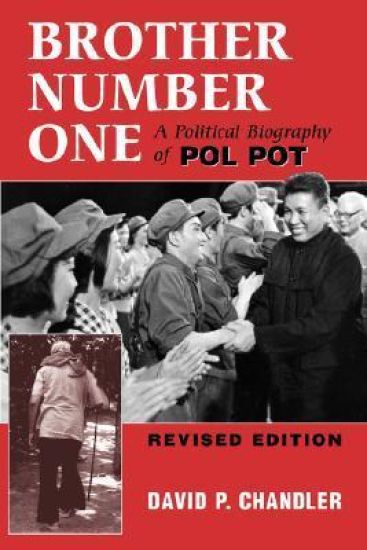
Brother Number One

Brother Number One

David P Chandler

Westview Press Inc
1999
pokkari
In the tragic recent history of Cambodia,a past scarred by a long occupation by Vietnamese forces and by the preceding three-year reign of terror by the brutal Khmer Rouge,no figure looms larger or more ominously than that of Pol Pot. As secretary of the Central Committee of the Communist Party of Kampuchea (CPK) since 1962 and as prime minister of Democratic Kampuchea (DK), he has been widely blamed for trying to destroy Cambodian society. By implementing policies whose effects were genocidal, he oversaw the deaths of more than one million of his nation's people. The political career of Saloth Sar, better known by his nom de guerre Pol Pot, forms a critical but largely inaccessible portion of twentieth-century Cambodian history. What we know about his life is sketchy: a comfortable childhood, three years of study in France, and a short career as a schoolteacher preceded several years,spent mostly in hiding,as a guerrilla and the commander of the victorious army in Cambodia's civil war. His career reached a climax when he and his associates, coming to power, attempted to transform their country along lines more radical than any attempted by a modern regime. Driven into hiding in 1979 by invading Vietnamese forces, Pol Pot maintained his leadership of a Khmer Rouge guerrilla army in exile, remaining a power and a threat. In this political biography, David P. Chandler throws light on the shadowy figure of Pol Pot. Basing his study on interviews and on a wide range of sources in English, Cambodian, and French, the author illuminates the ideas and behaviour of this enigmatic man and his entourage against the background of post-World War II events, providing a key to understanding this horrific, pivotal period of Cambodian history. In this revised edition, Chandler provides new information on the state of Cambodia and the Khmer Rouge following the death of Pol Pot in 1997.

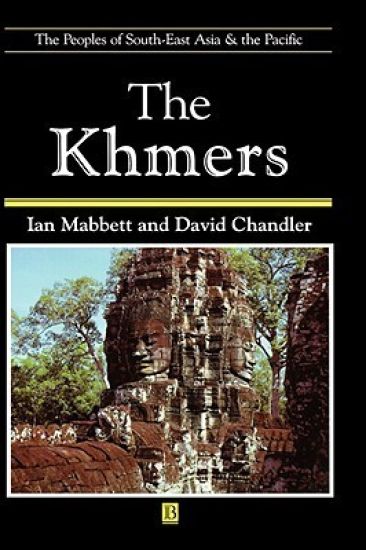
The Khmers

The Khmers

Ian Mabbett; David P. Chandler

Blackwell Publishers
1995
sidottu
This is a history of the Khmers, the people who for thousands of years inhabited the wooded interior of Cambodia. One hundred and fifty years ago the representatives of imperial France were astonished to find half-buried within the jungle the still magnificent ruins of vast temples. Justly described as one of the wonders of the world, these were the remnants of the once great Angkor empire. Since then archaeologists and historians have attempted to piece together its history. This book presents the result of these endeavours in the first account of the history of Khmer civilization to be published for many years.
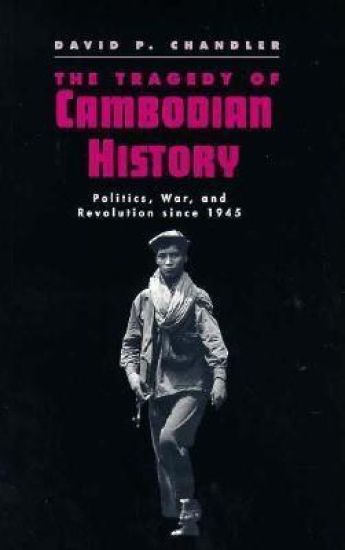
The Tragedy of Cambodian History

The Tragedy of Cambodian History

David P. Chandler

Yale University Press
1993
pokkari
The political history of Cambodia between 1945 and 1979, which culminated in the devastating revolutionary excesses of the Pol Pot regime, is one of unrest and misery. This book by David P. Chandler is the first to give a full account of this tumultuous period. Drawing on his experience as a foreign service officer in Phnom Penh, on interviews, and on archival material. Chandler considers why the revolution happened and how it was related to Cambodia’s earlier history and to other events in Southeast Asia. He describes Cambodia’s brief spell of independence from Japan after the end of World War II; the long and complicated rule of Norodom Sihanouk, during which the Vietnam War gradually spilled over Cambodia’s borders; the bloodless coup of 1970 that deposed Sihanouk and put in power the feeble, pro-American government of Lon Nol; and the revolution in 1975 that ushered in the radical changes and horrors of Pol Pot’s Communist regime. Chandler discusses how Pol Pot and his colleagues evacuated Cambodia’s cities and towns, transformed its seven million people into an unpaid labor force, tortured and killed party members when agricultural quotas were unmet, and were finally overthrown in the course of a Vietnamese military invasion in 1979. His book is a penetrating and poignant analysis of this fierce revolutionary period and the events of the previous quarter-century that made it possible.