Kirjojen hintavertailu – 12 859 827 kirjaa ja 27 kauppaa
Kirjailija
David S. Cohen
Kirjat ja teokset yhdessä paikassa: 13 kirjaa, julkaisuja vuosilta 1993–2026, suosituimpiin kuuluu Die Hard: The Ultimate Visual History. Vertaile teosten hintoja ja tarkista saatavuus suomalaisista kirjakaupoista.
How hard-working individuals have kept abortion afloat in the wake of Roe v. Wade's destruction, and the continued help needed if we want to sustain it When the Supreme Court overturned Roe v. Wade in June 2022, many feared it meant the end of abortion access in the United States. Yet the courageous work of people on the ground has allowed abortion to survive post-Dobbs in ways that no one predicted. In After Dobbs, law professor David S. Cohen and sociologist Carole Joffe interview 24 people across all different fields in abortion and in different state political environments to uncover how the abortion providing community and its allies prepared for, and then responded to this momentous event. Taking place across three intervals throughout 2022--pre-Dobbs in early 2022, right after Dobbs, and then six months later--these interviews showcase how nimble thinking on the part of providers, growth and new delivery models of abortion pills, and the never-ending work of those who help with abortion travel and funding have ensured most people who want them are still getting abortions, even without Roe. But, as much as this is cause for celebration, the work required to make abortion possible is difficult and costly--in time, money, and emotion. There may soon come a time when the overturning of Roe means a much more severe decline in the number of people able to obtain the abortions they seek. But because of the work of the people in this book and those like them, even though Roe is dead, abortion is not . . . yet.
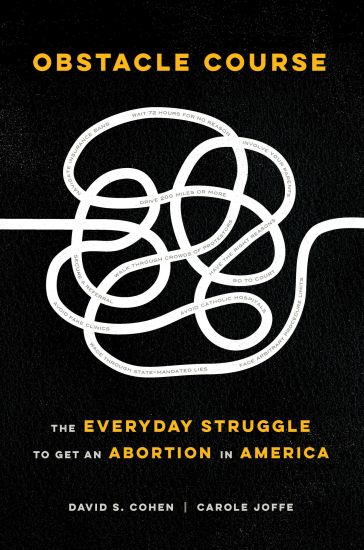
It seems unthinkable that citizens of one of the most powerful nations in the world must risk their lives and livelihoods in the search for access to necessary health care. And yet it is no surprise that in many places throughout the United States, getting an abortion can be a monumental challenge. Anti-choice politicians and activists have worked tirelessly to impose needless restrictions on this straightforward medical procedure that, at best, delay it and, at worst, create medical risks and deny women their constitutionally protected right to choose. Obstacle Course tells the story of abortion in America, capturing a disturbing reality of insurmountable barriers people face when trying to exercise their legal rights to medical services. Authors David S. Cohen and Carole Joffe lay bare the often arduous and unnecessarily burdensome process of terminating a pregnancy: the sabotaged decision-making, clinics in remote locations, insurance bans, harassing protesters, forced ultrasounds and dishonest medical information, arbitrary waiting periods, and unjustified procedure limitations. Based on patients’ stories as well as interviews with abortion providers and allies from every state in the country, Obstacle Course reveals the unstoppable determination required of women in the pursuit of reproductive autonomy as well as the incredible commitment of abortion providers. Without the efforts of an unheralded army of medical professionals, clinic administrators, counselors, activists, and volunteers, what is a legal right would be meaningless for the almost one million people per year who get abortions. There is a better way—treating abortion like any other form of health care—but the United States is a long way from that ideal.
It seems unthinkable that citizens of one of the most powerful nations in the world must risk their lives and livelihoods in the search for access to necessary health care. And yet it is no surprise that in many places throughout the United States, getting an abortion can be a monumental challenge. Anti-choice politicians and activists have worked tirelessly to impose needless restrictions on this straightforward medical procedure that, at best, delay it and, at worst, create medical risks and deny women their constitutionally protected right to choose. Obstacle Course tells the story of abortion in America, capturing a disturbing reality of insurmountable barriers people face when trying to exercise their legal rights to medical services. Authors David S. Cohen and Carole Joffe lay bare the often arduous and unnecessarily burdensome process of terminating a pregnancy: the sabotaged decision-making, clinics in remote locations, insurance bans, harassing protesters, forced ultrasounds and dishonest medical information, arbitrary waiting periods, and unjustified procedure limitations. Based on patients’ stories as well as interviews with abortion providers and allies from every state in the country, Obstacle Course reveals the unstoppable determination required of women in the pursuit of reproductive autonomy as well as the incredible commitment of abortion providers. Without the efforts of an unheralded army of medical professionals, clinic administrators, counselors, activists, and volunteers, what is a legal right would be meaningless for the almost one million people per year who get abortions. There is a better way—treating abortion like any other form of health care—but the United States is a long way from that ideal.
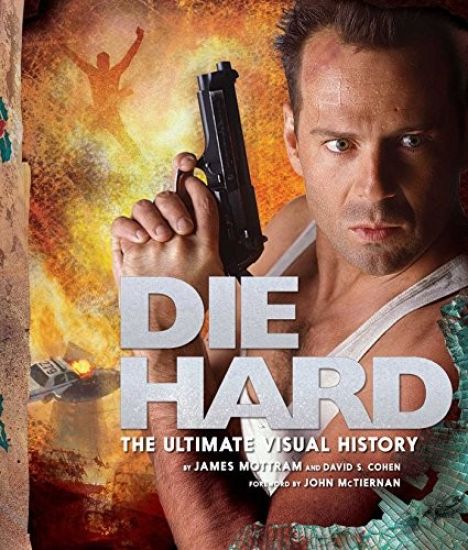
Yippee-ki-yay . . . Discover the explosive story behind the creation of the Die Hard saga in this visually stunning, behind-the-scenes look at the adventures of detective John McClane. Thirty years after the release of the groundbreaking action film, Die Hard: The Ultimate Visual History takes an in-depth look at the entire Die Hard saga, from the original movie through to the hit sequels, comics, video games, and other extensions of hero John McClane's story. Loosely based on Roderick Thorp's novel Nothing Lasts Forever, Die Hard, released in 1988, saw Moonlighting star Bruce Willis seamlessly make the transition from TV success to movie stardom in a film so taut, explosive, and full of suspense that it would come to define the action movie genre for decades to come. Directed by John McTiernan (Predator), Die Hard also starred revered British stage actor Alan Rickman, who turned lead villain Hans Gruber into a presence so deliciously malevolent, audiences didn't know whether to love him or hate him. For the first time, Die Hard: The Ultimate Visual History tells the complete story of the making of Die Hard and its sequels, through exclusive interviews with the cast and crew of each film and a wealth of rare and unseen imagery, including set photography and concept art. Also exploring Die Hard comics, video games, and other merchandise, this book will tell the full story of the saga and its remarkable thirty-year legacy.
Yippee-ki-yay . . . Discover the explosive story behind the creation of the Die Hard saga in this visually stunning, behind-the-scenes look at the adventures of detective John McClane. Thirty years after the release of the groundbreaking action film, Die Hard: The Ultimate Visual History takes an in-depth look at the entire Die Hard saga, from the original movie through to the hit sequels, comics, video games, and other extensions of hero John McClane's story. Loosely based on Roderick Thorp's novel Nothing Lasts Forever, Die Hard, released in 1988, saw Moonlighting star Bruce Willis seamlessly make the transition from TV success to movie stardom in a film so taut, explosive, and full of suspense that it would come to define the action movie genre for decades to come. Directed by John McTiernan (Predator), Die Hard also starred revered British stage actor Alan Rickman who turned lead villain Hans Gruber into a presence so deliciously malevolent, audiences didn't know whether to love him or hate him. For the first time, Die Hard: The Ultimate Visual History tells the complete story of the making of Die Hard and its sequels, through exclusive interviews with the cast and crew of each film and a wealth of rare and unseen imagery, including set photography and concept art. Also exploring Die Hard comics, video games, and other merchandise, this book will tell the full story of the saga and its remarkable thirty-year legacy.
Abortion is a legal, common, and safe medical procedure that one in three American women will undergo. Yet ever since Roe v. Wade was decided in 1973, anti-abortion forces have tried nearly every tactic to eliminate it. Legislative and judicial developments dominate the news, but a troubling and all-too-common phenomenon-targeted vigilante action against individual abortion providers-is missing from the national discussion, only cropping up when a dramatic story like the murder of an abortion provider pushes it to the forefront. Every day, men and women who are associated with abortion care are harassed, threatened, stalked, picketed, sent hate mail, and otherwise terrorized. Those who seek help from the law are sometimes successful, but not always, either because there are insufficient protections built into the law, or because law enforcement officials fail to respond. In Living in the Crosshairs, the voices of these providers are heard for the first time, through extensive interviews that David S. Cohen and Krysten Connon conducted across the country. Abortion providers are targeted at home, at work, or in community spaces; they can be harassed in person or online. Abortion opponents target not only the providers themselves but also may go after their families, neighbors, and others close to them. This kind of targeting happens anywhere in the country, not just in more conservative areas, and can victimize all providers, not just high-profile doctors. For some, being the victim of targeted harassment inspires significant fear and leads to changes in behavior; for others, it has become a normal part of life; and for yet others, it actively strengthens their resolve. The response of law enforcement at the federal, state, and local levels is spotty-though there are some strong laws on the books, especially at the federal level, abortion providers have had mixed experiences when it comes to legal recourse, and effectiveness varies. Drawing on ideas from the interviews, the authors propose several legal and societal reforms that could improve the lives of providers, foremost among them redefining targeted harassment as terrorism rather than protest. Living in the Crosshairs is a rich and humane portrait of women's health professionals who persist in their work despite harassment because they believe in what they are doing. These providers' voices have not been heard in recent debates, leaving the public with a deficient understanding of exactly how abortion is limited in this country, yet their experiences illuminate the truth of the issue and offer us a path to a better policy.
Go behind the scenes of one of the most anticipated movies of 2015 with The Art and Making of Terminator Genisys. Capturing the complete creative journey behind the making of the film, the book will also look at the daunting challenges that the team faced in creating a new installment in one of the best-loved sci-fi sagas in cinema history. The Art and Making of Terminator Genisys will make extensive use of concept art and unit photography from the production, balancing an in-depth and satisfying narrative with a striking visual account of the making of the film. The Art and Making of Terminator Genisys will also feature interviews with key cast and crew members plus a wealth of inserts and removable items, such as script pages, pieces of concept art, notes from the set, and other pieces of ephemera that further enhance the reading experience.
Abortion is a legal, common, and safe medical procedure that one in three American women will undergo. Yet ever since Roe v. Wade was decided in 1973, anti-abortion forces have tried nearly every tactic to eliminate it. Legislative and judicial developments dominate the news, but a troubling and all-too-common phenomenon-targeted vigilante action against individual abortion providers-is missing from the national discussion, only cropping up when a dramatic story like the murder of an abortion provider pushes it to the forefront. Every day, men and women who are associated with abortion care are harassed, threatened, stalked, picketed, sent hate mail, and otherwise terrorized. Those who seek help from the law are sometimes successful, but not always, either because there are insufficient protections built into the law, or because law enforcement officials fail to respond. In Living in the Crosshairs, the voices of these providers are heard for the first time, through extensive interviews that David S. Cohen and Krysten Connon conducted across the country. Abortion providers are targeted at home, at work, or in community spaces; they can be harassed in person or online. Abortion opponents target not only the providers themselves but also may go after their families, neighbors, and others close to them. This kind of targeting happens anywhere in the country, not just in more conservative areas, and can victimize all providers, not just high-profile doctors. For some, being the victim of targeted harassment inspires significant fear and leads to changes in behavior; for others, it has become a normal part of life; and for yet others, it actively strengthens their resolve. The response of law enforcement at the federal, state, and local levels is spotty-though there are some strong laws on the books, especially at the federal level, abortion providers have had mixed experiences when it comes to legal recourse, and effectiveness varies. Drawing on ideas from the interviews, the authors propose several legal and societal reforms that could improve the lives of providers, foremost among them redefining targeted harassment as terrorism rather than protest. Living in the Crosshairs is a rich and humane portrait of women's health professionals who persist in their work despite harassment because they believe in what they are doing. These providers' voices have not been heard in recent debates, leaving the public with a deficient understanding of exactly how abortion is limited in this country, yet their experiences illuminate the truth of the issue and offer us a path to a better policy.
When legions of giant, monstrous "Kaiju" started rising from the sea, a war began that would take millions of lives and consume humanity's resources. To combat the Kaiju, a new weapon was devised: massive robot "Jaegers", piloted by soldiers of the Pan Pacific Defense Corps. This lavish book chronicles the production of the film with concept art, photography, and cast and crew commentary.
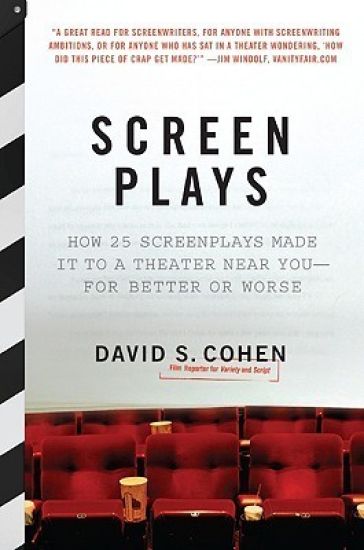
Every green-lighted screenplay travels a long and harrowing road from idea to script to celluloid. In this fascinating survey of contemporary film craft, David Cohen of Script and Variety magazines interviews screenwriters from across the board--Oscar winners and novices alike--to explore what sets blockbuster successes apart from downright disasters. Tracing the fortunes of twenty-five films, including Troy, Erin Brockovich, Lost in Translation, and The Aviator, Cohen offers valuable insider access to the back lots and boardrooms, to the studio heads and directors, and to the overcaffeinated screenwriters themselves. Full of critical clues on how to sell a script--and avoid seeing it destroyed before the director calls "Action "--Screen Plays is a book that both the aspiring screenwriter and curious cinephile will find irresistible.
"A rich and readable source of information and interpretation." New York History "Cohen presents a detailed description of the everyday life of early Dutch settlers in New York and New Jersey. He gives special attention to the rise of the Dutch Reformed Church in these areas, and particularly the denomination's transformation into a subculture that could truly be considered American." Bookman's Weekly "An impressive study of material culture" Choice