Kirjojen hintavertailu – 12 903 735 kirjaa ja 27 kauppaa
Kirjailija
David Thelen
Kirjat ja teokset yhdessä paikassa: 5 kirjaa, julkaisuja vuosilta 1986–2015, suosituimpiin kuuluu Paths of Resistance. Vertaile teosten hintoja ja tarkista saatavuus suomalaisista kirjakaupoista.
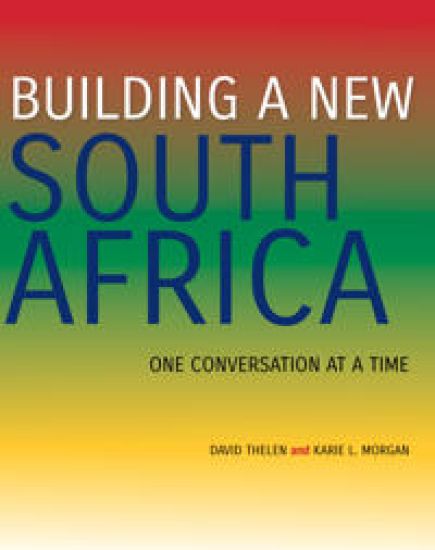
Once a thriving, multiracial community, the Sophiatown suburb of Johannesburg was home to many famous artists, musicians, and poets. It was also a place where residential apartheid was first put into practice with forced removals, buildings bulldozed, and the construction of new, cheap housing for white public employees. David Thelen and Karie L. Morgan facilitate conversations among today's Sophiatown residents about how they share spaces, experiences, and values to raise and educate their children, earn a living, overcome crime, and shape their community for the good of all. As residents reflect on the past and the challenges they face in the future, they begin to work together to create a rich, diverse, safe, and welcoming post-Mandela South Africa.
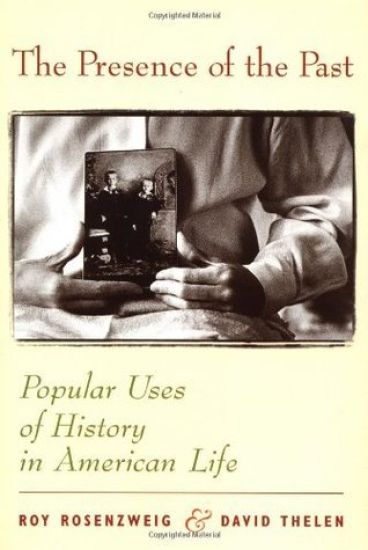
Some people make photo albums, collect antiques, or visit historic battlefields. Others keep diaries, plan annual family gatherings, or stitch together patchwork quilts in a tradition learned from grandparents. Each of us has ways of communing with the past, and our reasons for doing so are as varied as our memories. In a sweeping survey, Roy Rosenzweig and David Thelen asked 1,500 Americans about their connection to the past and how it influences their daily lives and hopes for the future. The result is a surprisingly candid series of conversations and reflections on how the past infuses the present with meaning. Rosenzweig and Thelen found that people assemble their experiences into narratives that allow them to make sense of their personal histories, set priorities, project what might happen next, and try to shape the future. By using these narratives to mark change and create continuity, people chart the courses of their lives. A young woman from Ohio speaks of giving birth to her first child, which caused her to reflect upon her parents and the ways that their example would help her to become a good mother. An African American man from Georgia tells how he and his wife were drawn to each other by their shared experiences and lessons learned from growing up in the South in the 1950s. Others reveal how they personalize historical events, as in the case of a Massachusetts woman who traces much of her guarded attitude toward life to witnessing the assassination of John F. Kennedy on television when she was a child. While the past is omnipresent to Americans, "history" as it is usually defined in textbooks leaves many people cold. Rosenzweig and Thelen found that history as taught in school does not inspire a strong connection to the past. And they reveal how race and ethnicity affects how Americans perceive the past: while most white Americans tend to think of it as something personal, African Americans and American Indians are more likely to think in terms of broadly shared experiences--like slavery, the Civil Rights Movement, and the violation of Indian treaties." Rosenzweig and Thelen's conclusions about the ways people use their personal, family, and national stories have profound implications for anyone involved in researching or presenting history, as well as for all those who struggle to engage with the past in a meaningful way.
Some people make photo albums, collect antiques, or visit historic battlefields. Others keep diaries, plan annual family gatherings, or stitch together patchwork quilts in a tradition learned from grandparents. Each of us has ways of communing with the past, and our reasons for doing so are as varied as our memories. In a sweeping survey, Roy Rosenzweig and David Thelen asked 1,500 Americans about their connection to the past and how it influences their daily lives and hopes for the future. The result is a surprisingly candid series of conversations and reflections on how the past infuses the present with meaning. Rosenzweig and Thelen found that people assemble their experiences into narratives that allow them to make sense of their personal histories, set priorities, project what might happen next, and try to shape the future. By using these narratives to mark change and create continuity, people chart the courses of their lives. A young woman from Ohio speaks of giving birth to her first child, which caused her to reflect upon her parents and the ways that their example would help her to become a good mother. An African American man from Georgia tells how he and his wife were drawn to each other by their shared experiences and lessons learned from growing up in the South in the 1950s. Others reveal how they personalize historical events, as in the case of a Massachusetts woman who traces much of her guarded attitude toward life to witnessing the assassination of John F. Kennedy on television when she was a child. While the past is omnipresent to Americans, "history" as it is usually defined in textbooks leaves many people cold. Rosenzweig and Thelen found that history as taught in school does not inspire a strong connection to the past. And they reveal how race and ethnicity affects how Americans perceive the past: while most white Americans tend to think of it as something personal, African Americans and American Indians are more likely to think in terms of broadly shared experiences--like slavery, the Civil Rights Movement, and the violation of Indian treaties." Rosenzweig and Thelen's conclusions about the ways people use their personal, family, and national stories have profound implications for anyone involved in researching or presenting history, as well as for all those who struggle to engage with the past in a meaningful way.
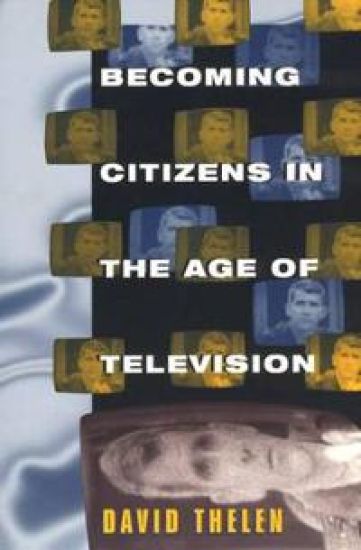
This text presents an original argument about the nature of democracy in American society. It explores a political process it claims is out of touch with everyday needs and concerns of American citizens. Instead of focusing on polls and election results, David Thelen looks at Americans through their calls and letters to congressmen in which citizens define for themselves the issues they want to raise and the ways they want to be seen and heard. Thelen argues that the self-referential world of politics and journalism during elections excludes the concerns and voices of Americans, resulting in lower voter turnouts and increased voter apathy.
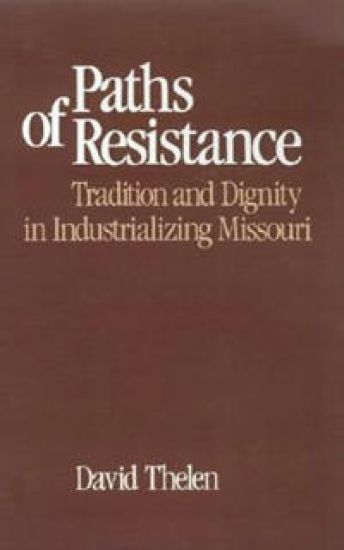
The years between 1865 and 1920 were eventful ones for the sake of Missouri. It was not only the time of Jesse James, Scott Joplin, and Mark Twain, of progressive governors Joseph Folk and Herbert Hadley, of the first general strike in St. Louis and some especially vicious vigilante activity, it was also the time when Missouri, like many other states, was being transformed by the tides of industrialism and economic growth. This social history examines the social and economic forces that resisted economic development in Missouri. Here, Thelen explores the various ways that people attempted to maintain their values and dignity in the face of overwhelming new economic, cultural, and political pressures, and analyzes the grassroots patterns that emerged in response to rapid social change. Thelen, who is one of the leading historians of the Progressive period in America, contends that people found their strength not in class solidarity or other Marxist responses but in what he calls "the resistance of folk memories", which allowed them to call upon the best elements of their collective past to help them cope with the new situation.