Kirjojen hintavertailu – 12 859 824 kirjaa ja 27 kauppaa
Kirjailija
Dawei Zhao
Kirjat ja teokset yhdessä paikassa: 10 kirjaa, julkaisuja vuosilta 2021–2025, suosituimpiin kuuluu FinTech and SupTech in China. Vertaile teosten hintoja ja tarkista saatavuus suomalaisista kirjakaupoista.
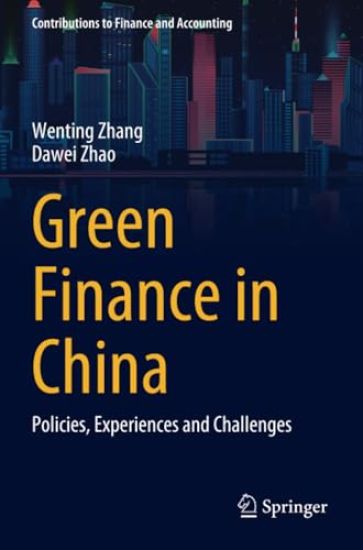
This book aims to provide first-hand information for readers concerned with green finance and sustainable development by summarizing the unique features, policies and practical innovations of green finance development in China and hoping to provide China's experience in the development of green finance for more regions. The global economy is currently facing historic opportunities that brings by a new round of technology, energy and industrial revolution. The new growth path of "green and low-carbon" development has become the main direction of the transformation of global economic development. What's China's green finance strategy? How does China deliver on the goal? This book builds an overview of China's green finance and sheds light on sustainable development topics from finance perspective.
This book aims to provide first-hand information for readers concerned with green finance and sustainable development by summarizing the unique features, policies and practical innovations of green finance development in China and hoping to provide China's experience in the development of green finance for more regions. The global economy is currently facing historic opportunities that brings by a new round of technology, energy and industrial revolution. The new growth path of "green and low-carbon" development has become the main direction of the transformation of global economic development. What's China's green finance strategy? How does China deliver on the goal? This book builds an overview of China's green finance and sheds light on sustainable development topics from finance perspective.
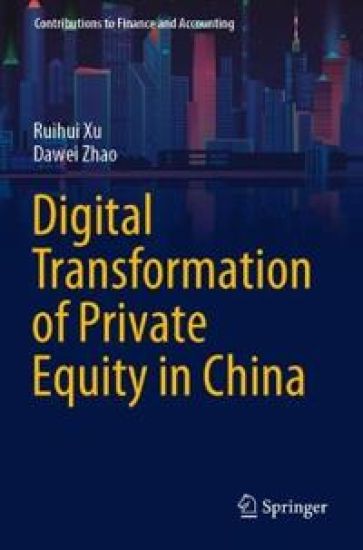
This book studies and discusses the current situation and development trend of technology application in the private equity industry of China. This book provides answers to the following questions that are critical concerns of the industry. For applications of technologies in enhancing financial service quality and efficiency, how to introduce digital technologies into the business innovation and operation management process of the private equity industry? How can digital technology be used to promote the comprehensive digital transformation of the private equity industry? For regulation of the private equity industry, how to utilize digital technology to improve the regulatory means and tools of the private equity industry. How to use digital technology to prevent the risk of the private equity industry? The answers to the questions have theoretical significance and practical value for healthy development and supervision of private equity industry in China. China’s private equity industry has made significant progress and attained remarkable achievements after more than 30 years of development, especially with the advancement of China’s capital market reform. This book provides an overview of the private equity industry and a study of digital technology applications such as the Internet, big data, artificial intelligence, and blockchain. It is a valuable reference for researchers and practitioners in related fields, and it also sheds light on technology applications for practitioners and financial regulators in the private equity industry in China.
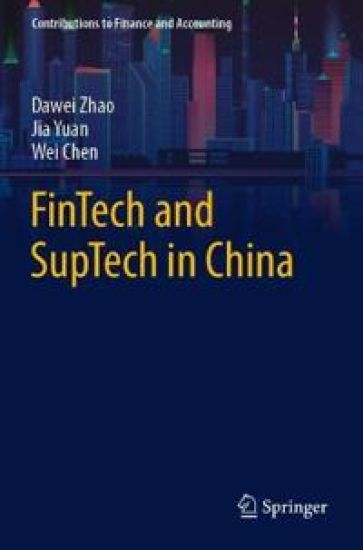
This book starts from the application of technologies in financial institutions and financial regulators inChina, and defines the concept and connotation of FinTech and SupTech in the form of topics,analyses the main problems in the development process, and discusses in depth the futuredevelopment and regulatory tendency of FinTech and SupTech. In recent years, with the in-depth application and cross-domain integration of information technologyin the financial world, FinTech has rapidly developed and has been widely applied, whichbrings us an important enlightenment: technical factors will bring fundamental changes forthe development of the modern financial industry. While improving financial efficiency, it hasan impact on the core financial problems such as information matching and mutual trustsolving, making it urgent to improve financial supervision capacity and regulatory efficiencythrough information technology to effectively guarantee financial security. At present, manyChinese financial institutions have applied technologies to their daily operations andmanagement, such as accurate customer identification, enhanced process tracking, intelligentmarketing, and product process transformation, so as to simplify financial service processesand shorten service cycles. Meanwhile, the financial regulators in China, such as PBOC,CBIRC, CSRC, have also applied technologies to the area of financial regulation, in order toreduce the cost of regulation, and promote the efficiency and effectiveness of regulation. In General, this book both pays attention to practical application and theoretical, which is a usefulreference book for theoretical research and practical work, and also helps readers tounderstand the application of technologies in financial institutions and financial regulators inChina.
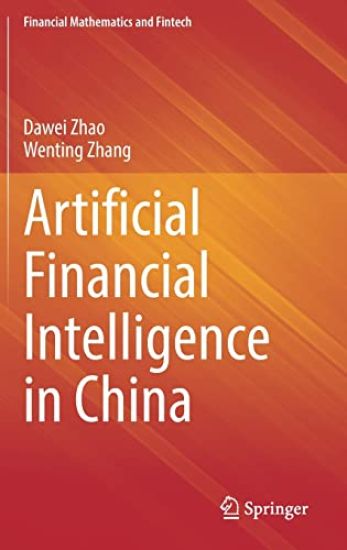
This book starts from the application scenarios of artificial financial intelligence regulation, commercial banking, wealth management and payments, etc., and makes a detailed study of the main scenarios of the application of China's artificial intelligence in the financial field, and also analysis specific application cases of China. With the popularization of smart phones and the rapid development of e-commerce, mobile payment, big data and other technologies are in the ascendant in China in recent years. In particular, artificial intelligence technologies in the form of facial, speech and semantic recognition are showing preliminary advantages in the field of FinTech, and the future era of Intelligent Finance has quietly come. The Chinese government has clearly put forward "China should rely on a robust cycle of domestic demand and innovation as the main driver of the economy while maintaining foreign markets and investors as a second engine of growth", science and technology innovation is the basic motivation of economic and social cycle, to implement the " dual circulation strategy ", it is necessary to understand the key role of scientific and technological innovation in financial innovation services, and improve financial services must be driven by science and technology. There is a natural relationship between artificial intelligence and financial services, because financial services are credit and information intermediaries, and data is the most critical for finance, while artificial intelligence has a super ability in dealing with complex data. At present, many Chinese Banks have applied artificial intelligence to their daily operations and management, such as accurate customer identification, enhanced process tracking, intelligent marketing, and product process transformation, so as to simplify financial service processes and shorten service cycles. In General, this book both pays attention to practical application and theoretical, which is a useful reference book in theoretical research and practical work, and also helps readers to understand the application of intelligent finance in China.
This book starts from the application scenarios of artificial financial intelligence regulation, commercial banking, wealth management and payments, etc., and makes a detailed study of the main scenarios of the application of China's artificial intelligence in the financial field, and also analysis specific application cases of China. With the popularization of smart phones and the rapid development of e-commerce, mobile payment, big data and other technologies are in the ascendant in China in recent years. In particular, artificial intelligence technologies in the form of facial, speech and semantic recognition are showing preliminary advantages in the field of FinTech, and the future era of Intelligent Finance has quietly come. The Chinese government has clearly put forward "China should rely on a robust cycle of domestic demand and innovation as the main driver of the economy while maintaining foreign markets and investors as a second engine of growth", science and technology innovation is the basic motivation of economic and social cycle, to implement the " dual circulation strategy ", it is necessary to understand the key role of scientific and technological innovation in financial innovation services, and improve financial services must be driven by science and technology. There is a natural relationship between artificial intelligence and financial services, because financial services are credit and information intermediaries, and data is the most critical for finance, while artificial intelligence has a super ability in dealing with complex data. At present, many Chinese Banks have applied artificial intelligence to their daily operations and management, such as accurate customer identification, enhanced process tracking, intelligent marketing, and product process transformation, so as to simplify financial service processes and shorten service cycles. In General, this book both pays attention to practical application and theoretical, which is a useful reference book in theoretical research and practical work, and also helps readers to understand the application of intelligent finance in China.
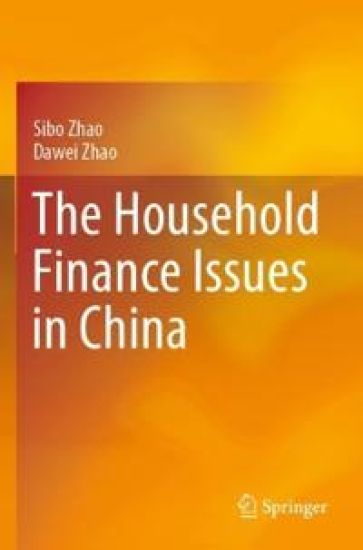
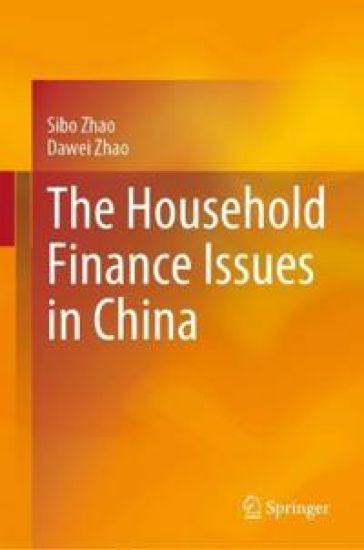
This book systematically studies and discusses pertinent issues related to household finance in China. This book not only elucidates the concept and connotation of household finance, but also extensively examines the significance and necessity of enhancing household finance and upholding household financial well-being. Drawing upon theories from economics, psychology, sociology, and behavioral finance, it conducts a quantitative analysis of family finance and its influencing factors by constructing models such as Probit model, Tobit model, and APC model to empirically test the underlying mediation mechanism. In addition, from the perspective of inclusive finance development and safeguarding the rights and interests of financial consumers, this book expounds on its profound impact on household finance. This book is a valuable reference for researchers in related fields, and it also provides some insights into residents’ and families’ awareness of financial health. Furthermore, itaids in formulating and improving consumption policies, adjusting economic structures, and preventing household financial risks. This research provides valuable guidance for enhancing family welfare and increasing property income for Chinese residents.
This book studies and discusses the current situation and development trend of technology application in the private equity industry of China. This book provides answers to the following questions that are critical concerns of the industry. For applications of technologies in enhancing financial service quality and efficiency, how to introduce digital technologies into the business innovation and operation management process of the private equity industry? How can digital technology be used to promote the comprehensive digital transformation of the private equity industry? For regulation of the private equity industry, how to utilize digital technology to improve the regulatory means and tools of the private equity industry. How to use digital technology to prevent the risk of the private equity industry? The answers to the questions have theoretical significance and practical value for healthy development and supervision of private equity industry in China. China’s private equity industry has made significant progress and attained remarkable achievements after more than 30 years of development, especially with the advancement of China’s capital market reform. This book provides an overview of the private equity industry and a study of digital technology applications such as the Internet, big data, artificial intelligence, and blockchain. It is a valuable reference for researchers and practitioners in related fields, and it also sheds light on technology applications for practitioners and financial regulators in the private equity industry in China.
This book starts from the application of technologies in financial institutions and financial regulators in China, and defines the concept and connotation of FinTech and SupTech in the form of topics, analyses the main problems in the development process, and discusses in depth the future development and regulatory tendency of FinTech and SupTech. In recent years, with the in-depth application and cross-domain integration of information technology in the financial world, FinTech has rapidly developed and has been widely applied, which brings us an important enlightenment: technical factors will bring fundamental changes for the development of the modern financial industry. While improving financial efficiency, it has an impact on the core financial problems such as information matching and mutual trust solving, making it urgent to improve financial supervision capacity and regulatory efficiency through information technology to effectively guarantee financial security. At present, many Chinese financial institutions have applied technologies to their daily operations and management, such as accurate customer identification, enhanced process tracking, intelligent marketing, and product process transformation, so as to simplify financial service processes and shorten service cycles. Meanwhile, the financial regulators in China, such as PBOC, CBIRC, CSRC, have also applied technologies to the area of financial regulation, in order to reduce the cost of regulation, and promote the efficiency and effectiveness of regulation. In General, this book both pays attention to practical application and theoretical, which is a useful reference book for theoretical research and practical work, and also helps readers to understand the application of technologies in financial institutions and financial regulators in China.
This book systematically studies and discusses pertinent issues related to household finance in China. This book not only elucidates the concept and connotation of household finance, but also extensively examines the significance and necessity of enhancing household finance and upholding household financial well-being. Drawing upon theories from economics, psychology, sociology, and behavioral finance, it conducts a quantitative analysis of family finance and its influencing factors by constructing models such as Probit model, Tobit model, and APC model to empirically test the underlying mediation mechanism. In addition, from the perspective of inclusive finance development and safeguarding the rights and interests of financial consumers, this book expounds on its profound impact on household finance. This book is a valuable reference for researchers in related fields, and it also provides some insights into residents’ and families’ awareness of financial health. Furthermore, itaids in formulating and improving consumption policies, adjusting economic structures, and preventing household financial risks. This research provides valuable guidance for enhancing family welfare and increasing property income for Chinese residents.