Kirjojen hintavertailu – 12 903 724 kirjaa ja 27 kauppaa

Kirjailija

Deborah Appleman

Kirjat ja teokset yhdessä paikassa: 10 kirjaa, julkaisuja vuosilta 2011–2026, suosituimpiin kuuluu Teaching Literature to Adolescents. Vertaile teosten hintoja ja tarkista saatavuus suomalaisista kirjakaupoista.

10 kirjaa

Kirjojen julkaisuvuodet: 2011–2026.

Teaching Literature to Adolescents

Teaching Literature to Adolescents

Richard Beach; Deborah Appleman; Rob Simon; Bob Fecho

TAYLOR FRANCIS LTD
2026
sidottu
In its fifth edition, this popular textbook introduces prospective and practicing English teachers to current methods of teaching literature in middle and high school classrooms. This new edition features updated chapters that incorporate critical race theory, perspectives on teaching fiction, nonfiction, and drama, the integration of digital literacy, working with English Language Learners, and teacher research for ongoing learning and professional development. It highlights the importance of offering students a range of critical approaches and tools for interpreting texts. It also addresses the need to organize literature instruction around topics and issues of interest to today’s adolescents. By using authentic dilemmas and contemporary issues, the authors encourage preservice English teachers and their instructors to raise and explore inquiry-based questions that center on the teaching of a variety of literary texts, both classic and contemporary, traditional and digital. New to the Fifth edition: • A new chapter on issues of censorship and the New Culture Wars • New examples of online tools for writing multimodal literary texts, digital storytelling, zines, comics, and graphic novels, including productive and problematic use of AI • Further engagement with critical race theory as a critical lens • Methods for engaging students with critical media literacy • Updated examples for teaching contemporary texts, including popular Young Adult novels • Added focus on multicultural literature regarding race, class, and gender issues • Methods and strategies for working with ELL students • Each chapter is organized around specific questions that preservice teachers consistently raise as they prepare to become English language arts teachers. The authors model critical inquiry throughout the text by offering authentic case narratives that raise important considerations of both theory and practice. The companion website, a favorite of English education instructors, http://teachingliterature.pbworks.com, has been updated with resources and enrichment activities. The book invites teachers to consider important issues in the context of their current or future classrooms.
Teaching Literature to Adolescents

Teaching Literature to Adolescents

Richard Beach; Deborah Appleman; Rob Simon; Bob Fecho

TAYLOR FRANCIS LTD
2026
nidottu
In its fifth edition, this popular textbook introduces prospective and practicing English teachers to current methods of teaching literature in middle and high school classrooms. This new edition features updated chapters that incorporate critical race theory, perspectives on teaching fiction, nonfiction, and drama, the integration of digital literacy, working with English Language Learners, and teacher research for ongoing learning and professional development. It highlights the importance of offering students a range of critical approaches and tools for interpreting texts. It also addresses the need to organize literature instruction around topics and issues of interest to today’s adolescents. By using authentic dilemmas and contemporary issues, the authors encourage preservice English teachers and their instructors to raise and explore inquiry-based questions that center on the teaching of a variety of literary texts, both classic and contemporary, traditional and digital. New to the Fifth edition: • A new chapter on issues of censorship and the New Culture Wars • New examples of online tools for writing multimodal literary texts, digital storytelling, zines, comics, and graphic novels, including productive and problematic use of AI • Further engagement with critical race theory as a critical lens • Methods for engaging students with critical media literacy • Updated examples for teaching contemporary texts, including popular Young Adult novels • Added focus on multicultural literature regarding race, class, and gender issues • Methods and strategies for working with ELL students • Each chapter is organized around specific questions that preservice teachers consistently raise as they prepare to become English language arts teachers. The authors model critical inquiry throughout the text by offering authentic case narratives that raise important considerations of both theory and practice. The companion website, a favorite of English education instructors, http://teachingliterature.pbworks.com, has been updated with resources and enrichment activities. The book invites teachers to consider important issues in the context of their current or future classrooms.
Critical Encounters in Secondary English

Critical Encounters in Secondary English

Deborah Appleman

TEACHERS' COLLEGE PRESS
2023
sidottu
Grounded in solid theory with new field-tested classroom activities, the fourth edition of Critical Encounters in Secondary English continues to help teachers integrate the lenses of contemporary literary theory into practices that have always defined good pedagogy. The most significant change for this edition is the addition of Critical Race Theory (CRT) as an analytical lens. CRT offers teachers fresh opportunities for interdisciplinary planning and teaching, as it lends itself to lessons that encompass a variety of disciplines such as history, sociology, psychology, and science. As with the previous edition, each chapter concludes with a list of suggested nonfiction pieces that work well for the particular lens under discussion. This popular text provides a comprehensive approach to incorporating nonfiction and informational texts into the literature classroom with new and revised classroom activities appropriate for today's students. Book Features:Helps both pre- and inservice ELA teachers introduce contemporary literary theory into their classrooms. Offers lucid and accessible explications of contemporary literary theory. Provides dozens of innovative and field-tested classroom activities. Tackles the thorny issue of Critical Race Theory in helpful and practical ways.
Critical Encounters in Secondary English

Critical Encounters in Secondary English

Deborah Appleman

TEACHERS' COLLEGE PRESS
2023
nidottu

Halvin toimitettuna 46,10 €

Grounded in solid theory with new field-tested classroom activities, the fourth edition of Critical Encounters in Secondary English continues to help teachers integrate the lenses of contemporary literary theory into practices that have always defined good pedagogy. The most significant change for this edition is the addition of Critical Race Theory (CRT) as an analytical lens. CRT offers teachers fresh opportunities for interdisciplinary planning and teaching, as it lends itself to lessons that encompass a variety of disciplines such as history, sociology, psychology, and science. As with the previous edition, each chapter concludes with a list of suggested nonfiction pieces that work well for the particular lens under discussion. This popular text provides a comprehensive approach to incorporating nonfiction and informational texts into the literature classroom with new and revised classroom activities appropriate for today's students. Book Features:Helps both pre- and inservice ELA teachers introduce contemporary literary theory into their classrooms. Offers lucid and accessible explications of contemporary literary theory. Provides dozens of innovative and field-tested classroom activities. Tackles the thorny issue of Critical Race Theory in helpful and practical ways.
Fighting Fake News

Fighting Fake News

Jeffrey D. Wilhelm; Michael W. Smith; Hugh Kesson; Deborah Appleman

SAGE PUBLICATIONS INC
2023
nidottu
Critical thinking and online reading need to go hand in hand—but they often don’t. Students click, swipe, and believe because they don’t know how to do otherwise. At times, so do we. And that’s a problem. Fighting Fake News combats this challenge by helping you model how to read, myth-bust, truth-test, and respond in ways that lead to wisdom rather than reactivity. No matter what content you teach, the lessons showcased here provide engaging, collaborative reading and discussion experiences so students can: Notice how teacher and peers read digital content, to be mindful of how various reading pathways influence perceptionIdentify the author background, the website sponsor, and other evidence that help set a piece in contextStress-test the facts by evaluating news sources, reading laterally, and other critical reading strategiesUse "Reader’s Rules of Notice" to learn to identify common rhetorical devices used to influence the readerBe aware of how for-profit social media platforms feed on our responses to narrow rather than widen our reading landscape We are still in the wild west era of the digital age, scrambling to impart a safer, ethical framework for evaluating information. Thankfully, it distills to one mission: teach students (and ourselves) how to think critically, and we will forever have the tools to fight fake news.
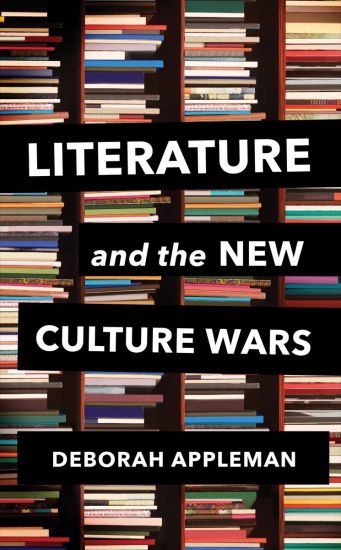
Literature and the New Culture Wars

Literature and the New Culture Wars

Deborah Appleman

WW NORTON CO
2022
sidottu

Halvin toimitettuna 29,40 €

Our current “culture wars” have reshaped the politics of secondary literature instruction. Due to a variety of challenges from both the left and the right—to language or subject matter, to potentially triggering content or to authors who have been cancelled—school reading lists are rapidly shrinking. For many teachers, choosing which books to include in their curriculum has become an agonising task with political, professional and ethical dimensions. In Literature and the New Culture Wars, Deborah Appleman calls for a reacknowledgment of the intellectual and affective work that literature can do, and offers ways to continue to teach troubling texts without doing harm. Rather than banishing challenged texts from our classrooms, she writes, we should be confronting and teaching the controversies they invoke. Her book is a timely and eloquent argument for a reasoned approach to determining what literature still deserves to be read and taught and discussed.
Teaching Literature to Adolescents

Teaching Literature to Adolescents

Deborah Appleman; Richard Beach; Rob Simon; Bob Fecho

Routledge
2020
sidottu
Now in its fourth edition, this popular textbook introduces prospective and practicing English teachers to current methods of teaching literature in middle and high school classrooms. This new edition broadens its focus to cover important topics such as critical race theory; perspectives on teaching fiction, nonfiction, and drama; the integration of digital literacy; and teacher research for ongoing learning and professional development. It underscores the value of providing students with a range of different critical approaches and tools for interpreting texts. It also addresses the need to organize literature instruction around topics and issues of interest to today’s adolescents. By using authentic dilemmas and contemporary issues, the authors encourage preservice English teachers and their instructors to raise and explore inquiry-based questions that center on the teaching of a variety of literary texts, both classic and contemporary, traditional and digital. New to the Fourth Edition: Expanded attention to digital tools, multimodal learning, and teaching online New examples of teaching contemporary texts Expanded discussion and illustration of formative assessment Revised response activities for incorporating young adult literature into the literature curriculum Real-world examples of student work to illustrate how students respond to the suggested strategies Extended focus on infusing multicultural and diverse literature in the classroomEach chapter is organized around specific questions that preservice teachers consistently raise as they prepare to become English language arts teachers. The authors model critical inquiry throughout the text by offering authentic case narratives that raise important considerations of both theory and practice. A companion website, a favorite of English education instructors, http://teachingliterature.pbworks.com, provides resources and enrichment activities, inviting teachers to consider important issues in the context of their current or future classrooms.
Teaching Literature to Adolescents

Teaching Literature to Adolescents

Deborah Appleman; Richard Beach; Rob Simon; Bob Fecho

Routledge
2020
nidottu

Halvin toimitettuna 67,40 €

Now in its fourth edition, this popular textbook introduces prospective and practicing English teachers to current methods of teaching literature in middle and high school classrooms. This new edition broadens its focus to cover important topics such as critical race theory; perspectives on teaching fiction, nonfiction, and drama; the integration of digital literacy; and teacher research for ongoing learning and professional development. It underscores the value of providing students with a range of different critical approaches and tools for interpreting texts. It also addresses the need to organize literature instruction around topics and issues of interest to today’s adolescents. By using authentic dilemmas and contemporary issues, the authors encourage preservice English teachers and their instructors to raise and explore inquiry-based questions that center on the teaching of a variety of literary texts, both classic and contemporary, traditional and digital. New to the Fourth Edition: Expanded attention to digital tools, multimodal learning, and teaching online New examples of teaching contemporary texts Expanded discussion and illustration of formative assessment Revised response activities for incorporating young adult literature into the literature curriculum Real-world examples of student work to illustrate how students respond to the suggested strategies Extended focus on infusing multicultural and diverse literature in the classroomEach chapter is organized around specific questions that preservice teachers consistently raise as they prepare to become English language arts teachers. The authors model critical inquiry throughout the text by offering authentic case narratives that raise important considerations of both theory and practice. A companion website, a favorite of English education instructors, http://teachingliterature.pbworks.com, provides resources and enrichment activities, inviting teachers to consider important issues in the context of their current or future classrooms.
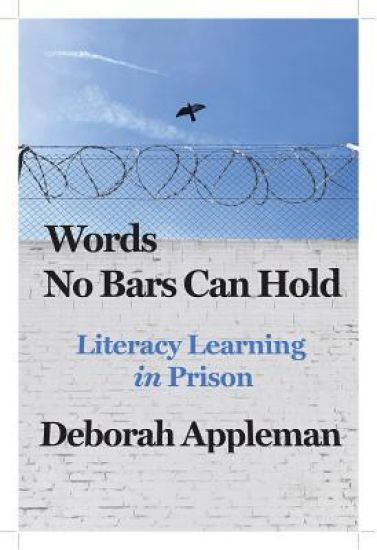
Words No Bars Can Hold

Words No Bars Can Hold

Deborah Appleman

WW Norton Co
2019
sidottu
Words No Bars Can Hold provides a rare glimpse into literacy learning under the most dehumanising conditions. Deborah Appleman chronicles her work teaching college-level classes at a high-security prison for men, most of whom are serving life sentences. Through narrative, poetry, memoir and fiction, the students in Appleman’s classes attempt to write themselves back into a society that has erased their lived histories. The students’ work, through which they probe and develop their identities as readers and writers, illuminates the transformative power of literacy. Appleman argues for the importance of educating the incarcerated and explores ways to interrupt the increasingly common journey from urban schools to our nation’s prisons. From the sobering endpoint of what scholars have called the “school to prison pipeline”, she draws insight from the narratives and experiences of those who have travelled it.
Teaching for the Students

Teaching for the Students

Bob Fecho; Deborah Appleman

Teachers' College Press
2011
nidottu
In this follow-up to his popular book, “Is This English?,” Bob Fecho explores dialogic teaching—what it is and how teachers can move toward more reflective teaching practices. Fecho provides a framework to help teachers develop the necessary focuses, perceptions, and intellectual habits that will result in an ever-enriching dialogue with their practice. Chapters like “Using the Difficulty” consider how an obstacle in the classroom can become a teachable moment, and “Wobble” asks teachers to be alert to when their beliefs are challenged by students and colleagues—and what can be learned in the balancing act. With anecdotes and scenarios from the author’s own experience teaching adolescents and preservice teachers, this engaging book will resonate with educators busy with today’s overcrowded curriculums. Book Features: Helps teachers visualize the possibilities and mechanics of creating a classroom built on dialogue, inquiry, and critique. Author’s concise narrative provides inspiration, provokes thought, and guides practice. Addresses the goals, concerns, and questions that teacher education students often bring to class. Offers thought experiments and tools to help educators examine their own teaching.