Kirjailija
Debra N. Mancoff
Kirjat ja teokset yhdessä paikassa: 13 kirjaa, julkaisuja vuosilta 1997–2026, suosituimpiin kuuluu Great Artists Steal. Vertaile teosten hintoja ja tarkista saatavuus suomalaisista kirjakaupoista.
Nimi esiintyy myös muodoissa: Debra N Mancoff, Debra.N Mancoff
13 kirjaa
Kirjojen julkaisuvuodet: 1997–2026.
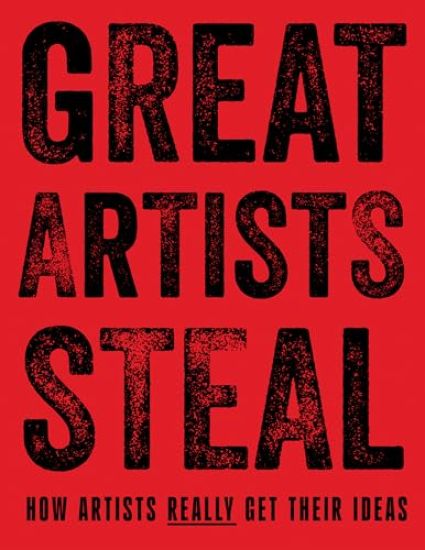
To paraphrase Picasso: the good borrow, but the truly great artists steal. The great masters of art earned their reputation for supposedly taking art in entirely new directions – for pioneering new techniques, breaking with tradition and busting norms – but behind almost every famous artwork you can find influence and inspiration artfully ‘stolen’ from elsewhere. Great Artists Steal takes 40 groundbreaking artworks throughout history and shows how in truth they have their roots firmly in the past or in other works. Andy Warhol was famously obsessed with repurposing and repeating famous images from across history, while visual motifs that originated thousands of years ago are still repeated in contemporary art today. Where does ‘stealing’ begin and copying end, and how do ideas, influence and creativity travel across different generations of artists and artworks? From the accidental to the purposeful, the innocent to the malicious, Great Artists Steal looks at all the ways famous artists have begged and borrowed their way to greatness. Whether you’re an art student, enthusiast or novice, this book will provide you with a new perspective on the history of art, and tell some fascinating stories along the way.
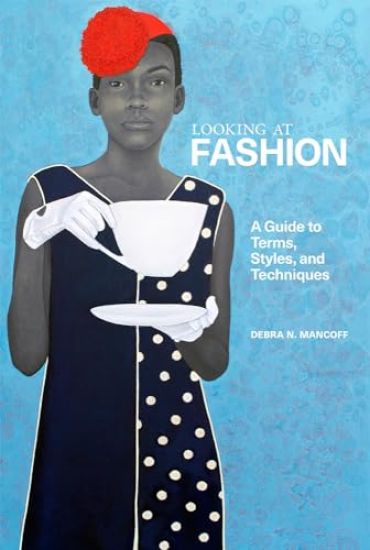
Whether in art or life, fashion makes a statement. It gives form to the temper of the times and the motives of the moment, charting shifts in society, status, technology, and economy. Fashion is shaped by both high and popular culture and reveals the influence of individuals from diverse socioeconomic backgrounds. Spanning the centuries and representing a global point of view, Looking at Fashion is a guide to the elements that make clothing practical, wearable, stylish, and distinctive. Created for scholars, students, fashionistas, and anyone who wants to expand their understanding of world culture through the history of dress, this book provides a rich and varied lexicon of the vocabulary that describes and explains the most essential components of garments and techniques of clothing construction. Ranging from basic pieces and their individual parts to structure, embellishments, and innovations, Looking at Fashion offers insights into the evolution of dress in terms of style, fit, and design. Gorgeous color illustrations, including paintings, photographs, historical garments, and custom drawings, reveal the interrelationship of fashion and art from antiquity to now." With a precise and sensitive eye, the author draws on paintings, photography, sculpture, and surviving garments to illustrate how fashion has been represented throughout history. This is a meticulously researched and refreshingly concise work that will appeal to scholars and fashion enthusiasts alike." - Lydia Edwards, Fashion Historian, Edith Cowan University"An essential guide for historians of fashion and art, and for anyone wishing to better understand the significance of clothing, Debra N. Mancoff's outstanding book provides a vocabulary for identifying garments, their construction, and the contexts in which they are worn. This lavishly illustrated guide will cultivate your eye for fashion and change your relationship to clothes." - Kristan M. Hanson, Fleming Museum of ArtIt’s rare to find oneself so absorbed turning the pages in an A to Z of technical terms, but Mancoff’s guide takes us from Appliqué to Zipper in a tour de force of fabric words, lush paintings and delightful anecdotes, like the scandal of John Singer Sargent’s portrait of a woman with a slipped strap (later painted over), or the original features of pantaloons. The captions alone are worth buying this for. A lovely book. — Victoria Finlay, author of Brilliant History of Color in Art

The Pre-Raphaelite Language of Flowers
Debra N. Mancoff
Prestel
2024
sidottu
Halvin toimitettuna 26,70 €
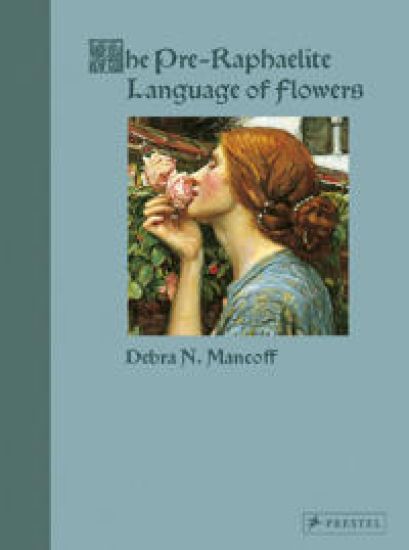
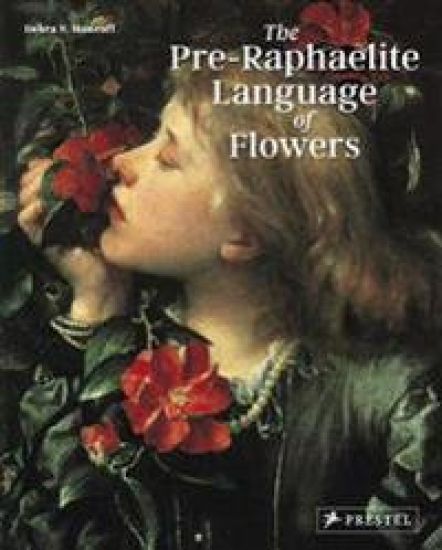
This exquisite collection of paintings illustrates just how marvelously the Pre- Raphaelites' focus on the natural world intersected with the Victorian passion for all things botanical. Short-lived but highly influential, the Pre-Raphaelite movement was fueled by a rejection of academic artistic conventions and a longing for the aesthetic simplicity and moral sincerity of medieval and early Renaissance art. But it also coincided with a Victorian obsession with botany, gardening and flower arranging. As a result, painters such as Rosetti, Millais and Hughes populated their works with floral symbols that were steeped in religious and cultural significance. This stunning book examines the greatest of these works, including portraits of Hamlet's Ophelia, the Virgin Mary, and figures from Greek mythology and medieval lore. Each entry features a full-page reproduction of the painting, accompanied by smaller details and an engaging text that offers fascinating background and contextual clues to deepen readers' appreciation of the Pre- Raphaelite language. As lush and colorful as a late summer bouquet, this book is the perfect gift for lovers of flowers as well as for fans of romantic Victorian art.
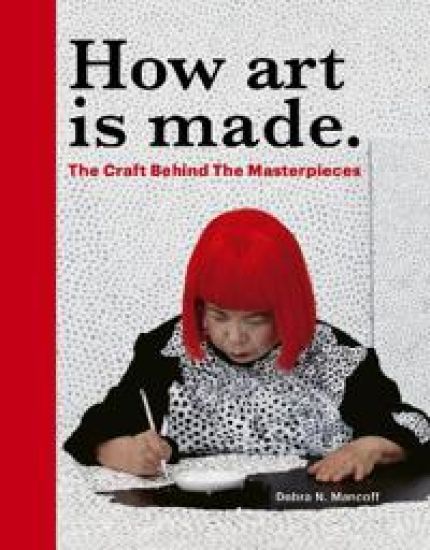
How Art Is Made looks at renowned works of art from across the centuries and around the globe and asks the intriguingly simple question – how were these works actually made? Divided into two sections – materials and methods – each chapter showcases a single work of art which demonstrates the mastery and innovative use of a single material or method, from oil paint, pastel and pencil, to woodcut, litho and impasto. Each work is presented as the centerpiece of a capsule history, while comparative works are also included to help amplify our understanding. How, for example, did Michelangelo paint the Sistine Chapel fresco, or Turner become such a master of watercolour? How did Warhol turn so effectively to screen printing, and how does Yayoi Kusama create such beguiling 'infinity rooms'? The book enhances the experience of looking at great works of art and guides us to a deeper understanding of how they were created and why we regard them as so important.
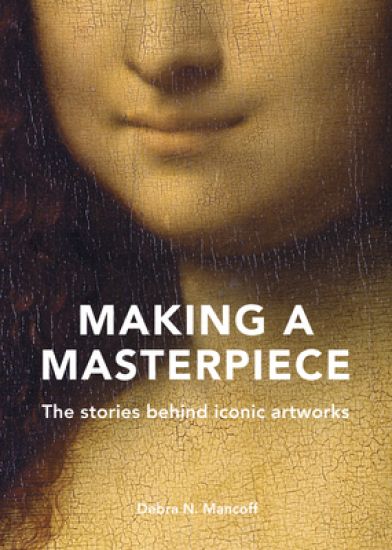
What makes a work of art a masterpiece? Discover the answers in the fascinating stories of how these artworks came to be and the circumstances of their long-lasting impact on the world. Beginning with Botticelli’s The Birth of Venus, we travel through time and a range of styles and stories – including theft, scandal, artistic reputation, politics and power – to Warhol’s Campbell’s Soup Cans, challenging the idea of what a masterpiece can be, and arriving in the twenty-first century with Amy Sherald’s portrait of Michelle Obama, a modern-day masterpiece still to be tested by time. Each artwork has a tale that reveals making a masterpiece often involves much more than just a demonstration of artistic skill: their path to fame is only fully disclosed by looking beyond what the eye can see. Rather than trying to describe the elements of greatness, Making a Masterpiece takes account of the circumstances outside the frame that contribute to the perception of greatness and reveals that the journey from the easel to popular acclaim can be as compelling as the masterpiece itself. Featuring:Birth of Venus, Sandro BotticelliMona Lisa, Leonardo da VinciJudith Beheading Holofernes, Artemisia GentileschiGirl with a Pearl Earring, Johannes VermeerUnder the Wave off Kanagawa, Katsushika HokusaiFifteen Sunflowers, Vincent van GoghPortrait of Adele Bloch-Bauer I (Woman in Gold, Gustav KlimtAmerican Gothic, Grant WoodGuernica, Pablo PicassoSelf-Portrait with Thorn Necklace and Hummingbird, Frida KahloCampbell’s Soup Cans, Andy WarholMichelle LaVaughn Robinson Obama, Amy Sherald Discover the stories of how, why and what makes a masterpiece in this compelling and comprehensive title.
Treasures of the Detroit Institute of Arts
Salvador Salort Pons; Jeffrey Abt; Debra N. Mancoff
Yale University Press
2021
sidottu
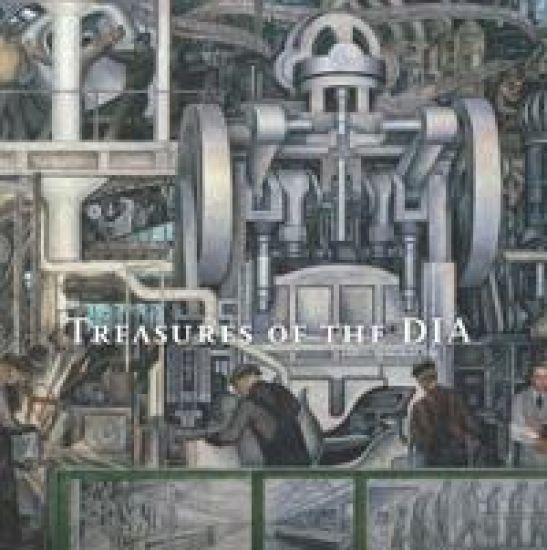
A testament to the Detroit Institute of Arts’ rich and diverse collection, this impressive catalogue brings together a selection of the museum’s masterworks in American, European, African, Asian, Native American, Oceanic, Islamic, ancient, modern and contemporary, and graphic arts. The artworks, organized geographically, are showcased in more than 400 color illustrations. Among the notable works are Vincent van Gogh’s Self-Portrait; James McNeill Whistler’s Nocturne in Black and Gold: The Falling Rocket; Pieter Bruegel the Elder’s The Wedding Dance; Diego Rivera’s Detroit Industry murals; a magnificent palace door by the Yoruban artist Olówè of Isè; and a rare ewer produced by the Medici Grand Ducal workshops, one of only 59 surviving works of Medici porcelain known to exist. This lavish volume brings the distinction of the Detroit Institute of Arts’ encyclopedic collection to the larger public.
Dante Gabriel Rossetti: Portraits of Women (Victoria and Albert Museum)
Debra N. Mancoff
Thames Hudson Ltd
2021
sidottu
Halvin toimitettuna 20,30 €
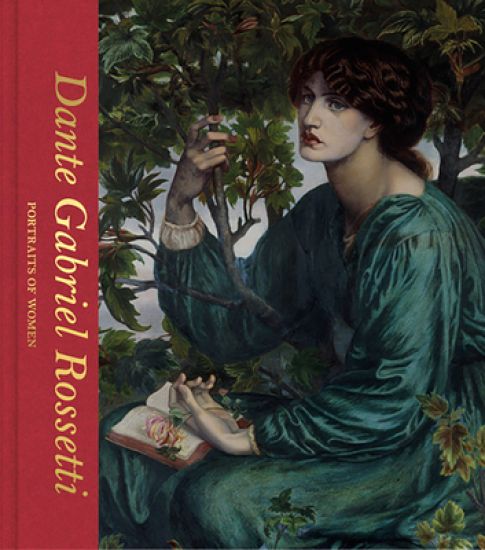
Dante Gabriel Rossetti (1828–1882), best known and admired for his striking and seductive portraits of women, was one of the founding members of the Pre-Raphaelite Brotherhood, a group of artists whose work is inspired by the art of the early Italian Renaissance. Rossetti’s powerful and unconventional portraits, with their sumptuous, jewel-like colours, are explored in this beautiful gift book. Examples have been drawn from the full range of Rossetti’s work – including paintings, drawings, print illustrations, decorative designs and staged photographs – and chart the artist’s lively engagement with mythology, history, literature, biblical subjects and modern life. Rossetti defined his experiences through his passion for his subjects and this book traces his deliberate intertwining of art and life. His models such as Jane Morris, Elizabeth Siddal and his sister Christina, were his inspiration and, in his rejection of conventional beauty, he redefined difference as desirable. Through his view of women – in which admiration veered towards fixation, praise towards possession – Rossetti confronted the staid 19th-century public with a new and powerful image of women, and the allure of that power is still felt today. With 126 illustrations in colour
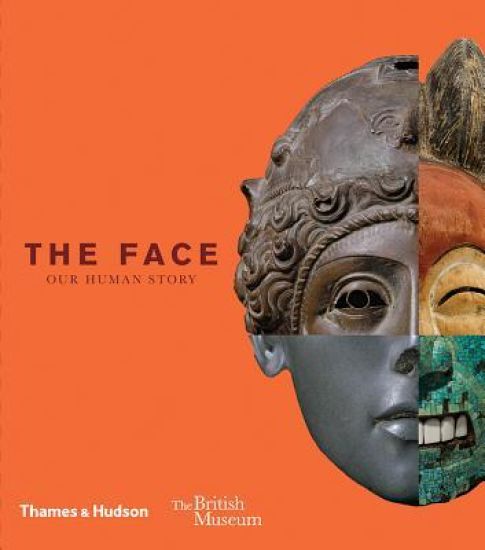
The face is not only central to identity, but is also the primary vehicle for human expression, emotion and character. It also signifies intellect and power, and has often been regarded as a window into the soul. Above all, it is the focus of our attention whenever we encounter another individual. But how have different cultures depicted faces, whether a likeness or idealized, whether masked or revealed, whether newborn, in the prime of life, dying or even deceased? Why has the depiction of the human face been so central to artistic expression in all world cultures, and why has it sometimes even been defaced or destroyed by iconoclasts and others? Debra N. Mancoff explores the depiction of the human face through the full range of objects and works of art in the collection of the British Museum, and discovers how the face subtly conveys the full spectrum of human emotion. Arranged thematically, the book’s chapters each begin with a brief introduction before depicting faces in various visually led pairings and groupings that encourage the reader to look for associations regardless of the objects’ cultural origins. Some of the juxtapositions are allowed to speak for themselves; others are explored through brief narrative captions. Some of the juxtapositions raise a smile; others are surprisingly affecting. This book will both fascinate and delight the reader, offering insights into experiences that we all share as human beings and that our faces inevitably reveal.
Containing a stunning array of romantic paintings, this book brings together two important aspects of Victorian culture--the Pre-Raphaelite movement and the meaning of flowers. Few artistic movements capture classic notions of beauty as romantically as the Pre-Raphaelites--a group of nineteenth-century painters and poets who aimed to revive the purer art of the late medieval period. In this beautiful volume, Debra N. Mancoff, an expert on Pre-Raphaelite art and the floral lexicon, presents forty breathtaking works, which illuminate the meaning of flowers in all aspects of Victorian culture. She offers brief commentaries on individual paintings as well as biographies of the period's leading artists and their models. This book is both a romantic keepsake as well as a captivating introduction to an artistic movement.
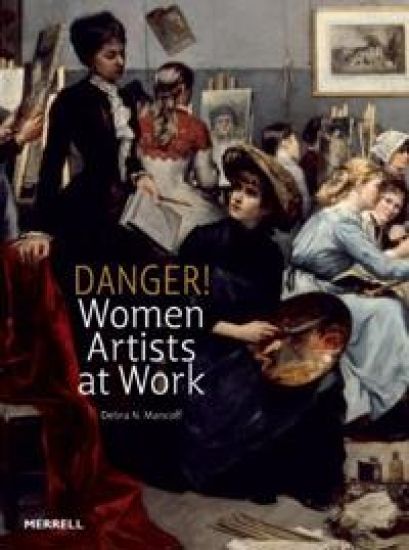
The conventional history of art is one of great men making great paintings, and displaying their works to a predominantly male audience in male-run institutions. Women, however, have had a role, often working behind the scenes, out of sight or in resistance to prevailing attitudes and practices. And it is in these exceptions to the rules of the masculine world of art-making that women artists have been perceived as groundbreaking, defiant and even subversive. A compelling selection of more than 60 artists from the early Renaissance to the present day, among them Judith Leyster, Mary Cassatt, Frida Kahlo and Louise Bourgeois, Danger! Women Artists at Work explores the most intriguing and provocative aspects of art by women who shook up the art world. Through a lively introduction and six thematic chapters dealing with such subjects as the ways in which women have challenged the boundaries of expression and how they have viewed the human body, Debra N. Mancoff presents an absorbing tale of those who have struggled and triumphed in their efforts to transform the visual arts.
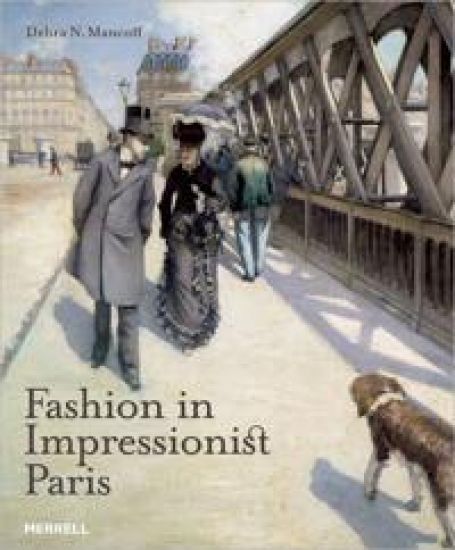
Even before the advent of haute couture, Paris was a great centre of fashion. During the second half of the nineteenth century, when the capital was transformed by an ambitious urban plan, its residents responded in kind, wearing styles as polished and modern as the city itself in order to participate in the exciting new social scene. Featuring famed paintings by such Impressionist masters as Degas, Cassatt, Manet, Monet and Morisot, this delightful book revisits the world of Parisian fashion through the eyes of first-hand observers. Thematic chapters present a gallery-like ensemble of paintings that follow in the footsteps of stylish Parisians as they stroll in the parks and boulevards, meet friends at cafes, take in the theatre, relax at home and go on holiday. In an extended narrative-style caption to accompany each image, fashion and art historian Debra N. Mancoff offers a detailed discussion of what men and women wore and how their dress defined them. To complete the picture, illustrated interludes, providing glimpses into dressmaking, corsetry and millinery, the origins of couture and the rise of the department store, reveal how Paris became the fashion capital of the world.
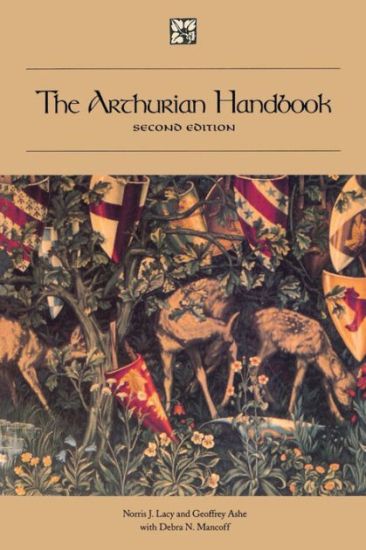
Everything you ever wanted to know about King Arthur and his knights is covered in this fascinating volume: the origins of the Grail legend, the Tristan and Isolde love story in opera and literature, Spielberg's use of Arthurian motifs in Star Wars , the depiction of Arthur in paintings, the presentation of Camelot on the Broadway stage, the twitting of the legend in Monty Python and theHoly Grail and much more. This critical survey of Arthurian history and legend, archaeology, literature, and the arts from the fifth century to the present provides an introduction for the general reader and a useful summary for the specialist. It offers both historical facts and key discussions on Arthurian subjects, from post-Roman Britain to the most recent novels and films. There is a lengthy glossary of Arthurian characters, motifs, and places, a chronology of major historical and literary items, a guide to pronunciation, and a full bibliography. What's new inthe Second Edition:All the material has been revised and updated to 1996 since the original 1988 edition; The chapter on modern literature has been thoroughly revised, with new material on writings from France, Germany, England, and America; The coverage of King Arthur in the arts has entirely rewritten by one of the premier authorities in Arthurian studies. Brand-new geneological charts of the ancestry of Arthur and his family and the Grail kings and knights.; A fully up-to-date chronology; Many new illustrations.