
Kirjojen hintavertailu – 12 876 058 kirjaa ja 26 kauppaa

Kirjailija

Denise E. Murray

Kirjat ja teokset yhdessä paikassa: 7 kirjaa, julkaisuja vuosilta 2017–2021, suosituimpiin kuuluu What English Language Teachers Need to Know Volume I. Vertaile teosten hintoja ja tarkista saatavuus suomalaisista kirjakaupoista.

7 kirjaa

Kirjojen julkaisuvuodet: 2017–2021.

What English Language Teachers Need to Know Volume I

What English Language Teachers Need to Know Volume I

Denise E. Murray; MaryAnn Christison

CRC Press Inc
2019
sidottu
Designed for pre-service teachers and teachers new to the field of ELT, What English Teachers Need to Know Volumes I, II, and III are companion textbooks organized around the key question: What do teachers need to know and be able to do in order for their students to learn English? In the Second Edition of Volume I, Murray and Christison return to this essential question and call attention to emerging trends and challenges affecting the contemporary classroom. Addressing new skills and strategies that EFL teachers require to meet the needs of their shifting student populations who are impacted by changing demographics, digital environments, and globalization, this book, which is grounded in current research, offers a strong emphasis on practical applications for classroom teaching. This updated and expanded Second Edition features: a new chapter on technology in TESOL new and updated classroom examples throughout discussions of how teachers can prepare for contemporary challenges, such as population mobility and globalizationThe comprehensive texts work for teachers across different contexts—where English is the dominant language, an official language, or a foreign language; for different levels—elementary/primary, secondary, university, or adult education; and for different learning purposes—general English, workplace English, English for academic purposes, or English for specific purposes.
What English Language Teachers Need to Know Volume III

What English Language Teachers Need to Know Volume III

MaryAnn Christison; Denise E. Murray

Routledge
2021
sidottu
Designed for pre-service and novice teachers in ELT, What English Language Teachers Need to Know Volumes I, II, and III are companion textbooks organized around the key question: What do teachers need to know and be able to do in order to help their students to learn English? Thoroughly revised and updated, the second edition of Volume III explores the contexts for ELT curricula; explains key processes in curriculum design; and sets out approaches to curricula that are linguistic-based, content-based, learner centered, and learning centered. Organized around the three pillars of teaching—planning, instructing, and assessing—chapters in the second edition are updated to include current research and theory to meet the needs of today’s teachers, and feature new or revised vignettes and activities. New chapters help teachers understand both the technological and multilingual approaches that learners need to succeed today. The comprehensive texts of this series are suitable resources for teachers across different contexts—where English is the dominant language, an official language, or a foreign language; for different levels—elementary/primary, secondary, university, or adult education; and for different learning purposes—general English, workplace English, English for academic purposes, or English for specific purposes.

What English Language Teachers Need to Know Volume III

What English Language Teachers Need to Know Volume III

MaryAnn Christison; Denise E. Murray

Routledge
2021
nidottu
Designed for pre-service and novice teachers in ELT, What English Language Teachers Need to Know Volumes I, II, and III are companion textbooks organized around the key question: What do teachers need to know and be able to do in order to help their students to learn English? Thoroughly revised and updated, the second edition of Volume III explores the contexts for ELT curricula; explains key processes in curriculum design; and sets out approaches to curricula that are linguistic-based, content-based, learner centered, and learning centered. Organized around the three pillars of teaching—planning, instructing, and assessing—chapters in the second edition are updated to include current research and theory to meet the needs of today’s teachers, and feature new or revised vignettes and activities. New chapters help teachers understand both the technological and multilingual approaches that learners need to succeed today. The comprehensive texts of this series are suitable resources for teachers across different contexts—where English is the dominant language, an official language, or a foreign language; for different levels—elementary/primary, secondary, university, or adult education; and for different learning purposes—general English, workplace English, English for academic purposes, or English for specific purposes.
What English Language Teachers Need to Know Volume II

What English Language Teachers Need to Know Volume II

Denise E. Murray; MaryAnn Christison

Routledge
2020
sidottu
Designed for pre-service and novice teachers in ELT, What English Language Teachers Need to Know Volumes I, II, and III are companion textbooks organized around the key question: What do teachers need to know and be able to do in order to help their students to learn English? In the Second Edition of Volume II, Murray and Christison return to this essential question and cover the three main facets of teaching: planning, instructing, and assessing L2 English instruction. Addressing new skills and strategies that ESL and EFL teachers require to meet the needs of their shifting student populations who are impacted by changing demographics, different learning contexts, and digital environments, this book offers a strong emphasis on practical applications for classroom teaching that is grounded in current research. This updated and expanded Second Edition features:a new section on teacher learning, including a chapter on exploring digital technologies in ELTnew and updated classroom examples throughoutdiscussions of how teachers can prepare for contemporary challenges, such as population mobility and globalization. The comprehensive texts work for teachers across different contexts—where English is the dominant language, an official language, or a foreign language; for different levels—elementary/primary, secondary, university, or adult education; and for different learning purposes—general English, workplace English, English for academic purposes, or English for specific purposes.
What English Language Teachers Need to Know Volume II

What English Language Teachers Need to Know Volume II

Denise E. Murray; MaryAnn Christison

Routledge
2020
nidottu
Designed for pre-service and novice teachers in ELT, What English Language Teachers Need to Know Volumes I, II, and III are companion textbooks organized around the key question: What do teachers need to know and be able to do in order to help their students to learn English? In the Second Edition of Volume II, Murray and Christison return to this essential question and cover the three main facets of teaching: planning, instructing, and assessing L2 English instruction. Addressing new skills and strategies that ESL and EFL teachers require to meet the needs of their shifting student populations who are impacted by changing demographics, different learning contexts, and digital environments, this book offers a strong emphasis on practical applications for classroom teaching that is grounded in current research. This updated and expanded Second Edition features:a new section on teacher learning, including a chapter on exploring digital technologies in ELTnew and updated classroom examples throughoutdiscussions of how teachers can prepare for contemporary challenges, such as population mobility and globalization. The comprehensive texts work for teachers across different contexts—where English is the dominant language, an official language, or a foreign language; for different levels—elementary/primary, secondary, university, or adult education; and for different learning purposes—general English, workplace English, English for academic purposes, or English for specific purposes.
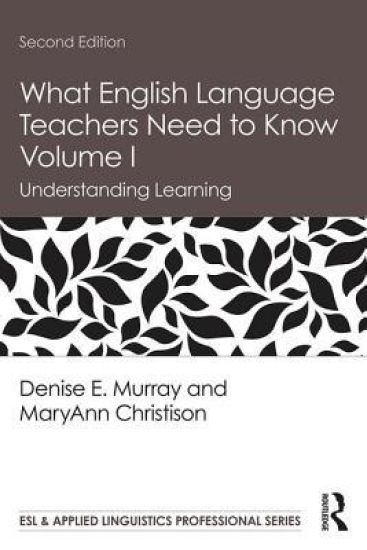
What English Language Teachers Need to Know Volume I

What English Language Teachers Need to Know Volume I

Denise E. Murray; MaryAnn Christison

CRC Press Inc
2019
nidottu
Designed for pre-service teachers and teachers new to the field of ELT, What English Teachers Need to Know Volumes I, II, and III are companion textbooks organized around the key question: What do teachers need to know and be able to do in order for their students to learn English? In the Second Edition of Volume I, Murray and Christison return to this essential question and call attention to emerging trends and challenges affecting the contemporary classroom. Addressing new skills and strategies that EFL teachers require to meet the needs of their shifting student populations who are impacted by changing demographics, digital environments, and globalization, this book, which is grounded in current research, offers a strong emphasis on practical applications for classroom teaching. This updated and expanded Second Edition features: a new chapter on technology in TESOL new and updated classroom examples throughout discussions of how teachers can prepare for contemporary challenges, such as population mobility and globalizationThe comprehensive texts work for teachers across different contexts—where English is the dominant language, an official language, or a foreign language; for different levels—elementary/primary, secondary, university, or adult education; and for different learning purposes—general English, workplace English, English for academic purposes, or English for specific purposes.
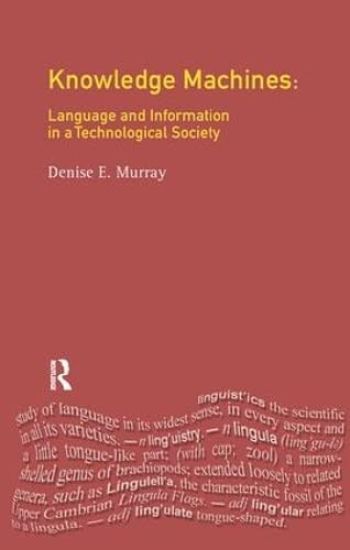
Knowledge Machines

Knowledge Machines

Denise E. Murray

Routledge
2017
sidottu
Provides a wide-ranging survey of the sociolinguistic issues raised by the impact of information technology. The author demonstrates how and in which ways the new technologies both affect human communication and are in turn affected by the way people communicate using the technologies.