Kirjojen hintavertailu – 12 859 829 kirjaa ja 27 kauppaa

Kirjailija

Denise Varney

Kirjat ja teokset yhdessä paikassa: 3 kirjaa, julkaisuja vuosilta 2018–2026, suosituimpiin kuuluu Ecology and Climate in Theatre and Australian Performance. Vertaile teosten hintoja ja tarkista saatavuus suomalaisista kirjakaupoista.

3 kirjaa

Kirjojen julkaisuvuodet: 2018–2026.

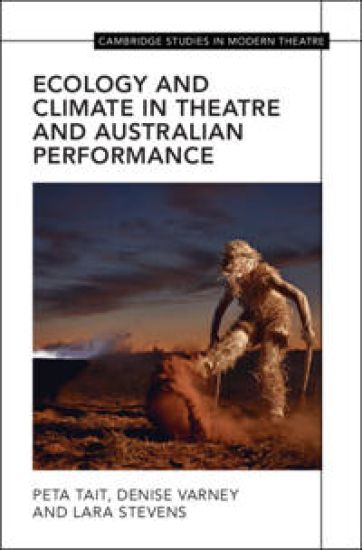
Ecology and Climate in Theatre and Australian Performance

Ecology and Climate in Theatre and Australian Performance

Peta Tait; Denise Varney; Lara Stevens

Cambridge University Press
2026
sidottu
Charting a history of theatrical resistance to environmental exploitation, this study places drama and theatrical performance staged in Australia within the context of international scholarship to address major concerns about changing ecological systems. Exploring the staging of calamities ranging from droughts and floods to forest fires and rising seas, it examines a strikingly diverse body of work that reflects the entanglement of socio-economic and natural forces leading to ecological damage and climate change. Weather phenomena become protagonists in plays by Jack Davis, Andrea James, Louis Nowra and Hannie Rayson, while mutant creatures manifest climate threats in Jill Orr's work, and performances by the Australian Indigenous Marrugeku and Bangarra Dance Theatre invite grief for immense losses. Featuring First Nations performance and the profound knowledge of biodiverse multispecies habitats it presents, this study challenges the ways in which socio-ecological disaster is called 'natural' and positioned outside human responsibility.
Patrick White's Theatre

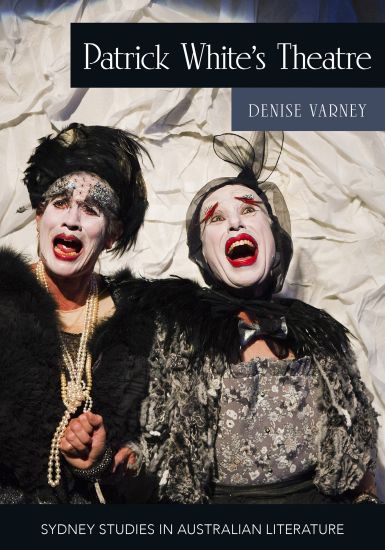
Patrick White's Theatre

Denise Varney

Sydney University Press
2021
pokkari
Winner of the AUHE Prize in Literary Scholarship 2022“Varney combines a theoretically astute sense of the hybridity of the dramatic event, with a dense but lucidly rendered sociological history of White’s plays as they progress through different productions, revivals, and receptions … This is an essential insight, and one which could be usefully extended to White’s novels, and perhaps to Australian modernism broadly.” - Jonathan Dunk, Australian Book ReviewOne of the giants of Australian literature and the only Australian writer to have won the Nobel Prize for Literature, Patrick White received less acclaim when he turned his hand to playwriting. In Patrick White's Theatre, Denise Varney offers a new analysis of White's eight published plays, discussing how they have been staged and received over a period of 60 years. From the sensational rejection of The Ham Funeral by the Adelaide Festival in 1962 to 21st-century revivals incorporating digital technology, these productions and their reception illustrate the major shifts that have taken place in Australian theatre over time. Varney unpacks White's complex and unique theatrical imagination, the social issues that preoccupied him as a playwright, and his place in the wider Australian modernist and theatrical traditions.
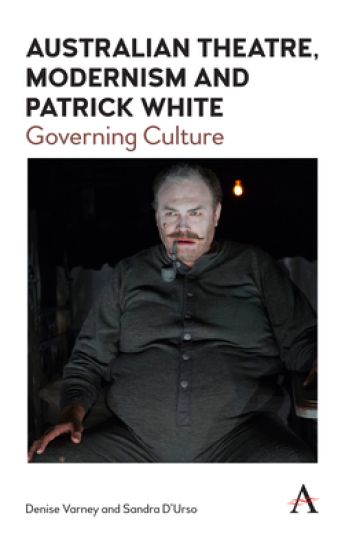
Australian Theatre, Modernism and Patrick White

Australian Theatre, Modernism and Patrick White

Denise Varney; Sandra D'Urso

Anthem Press
2018
sidottu
In the early 1960s the board of governors of the Adelaide Festival of Arts in Australia rejected two Patrick White plays, The Ham Funeral in 1962 and Night on Bald Mountain in 1964. Australian Theatre, Modernism and Patrick White documents the scandal that followed the board’s rejections of White’s plays, especially as it acted against the advice of its own drama committee and artistic director on both occasions. Denise Varney and Sandra D’Urso analyze the two events by drawing on the performative behaviour of the board of governors to focus on the question of governance. They shed new light on the cultural politics that surrounded the rejections, arguing that it represents an instance of executive governance of cultural production, in this case theatre and performance. The central argument of the book is that aesthetic modernism in theatre and drama struggled to achieve visibility and acceptability, and posed a threat to the norms and values of early to mid-twentieth-century Australia. The recent productions indicate that despite the Adelaide Festival’s early hostile rejections, White’s plays endure.