Kirjojen hintavertailu – 12 859 819 kirjaa ja 27 kauppaa

Kirjailija

Dennis B Worthen

Kirjat ja teokset yhdessä paikassa: 4 kirjaa, julkaisuja vuosilta 2001–2013, suosituimpiin kuuluu Medicines for the Union Army. Vertaile teosten hintoja ja tarkista saatavuus suomalaisista kirjakaupoista.

Nimi esiintyy myös muodoissa: Dennis B. Worthen

4 kirjaa

Kirjojen julkaisuvuodet: 2001–2013.

Pharmacy in World War II

Pharmacy in World War II

Dennis B. Worthen

Createspace Independent Publishing Platform
2013
nidottu
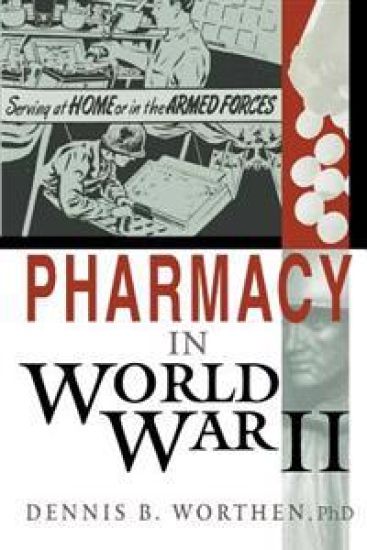
Get an inside look at the lives of military and civilian pharmacists during wartime Pharmacy in World War II is a comprehensive history of American pharmacy, both in the military and on the home front, from 1941 to 1945. The book provides a unique insight into the profession, the practice, and its practitioners through the memories of those who served as pharmacist mates, corpsmen, or civilian pharmacists. Through accounts recorded in publications, stored in archives, or told first-hand, you'll learn about the fight to establish an Army Pharmacy Corps, the work of the Selective Service committees to preserve an adequate pool of pharmacists for civilian practice, the bond drives that would buy hospital airplanes and trains, and a great deal more. Pharmacy in World War II also looks at the organizational, economic, educational, professional, and societal issues that molded pharmacy during a watershed in modern American history. Author Dennis B. Worthen, editor-in-chief of Haworth's Pharmaceutical Heritage book series, compiled a database of more than 11,000 pharmacists, pharmacy students, and veterans in pharmacy school during wartime as part of the "Memories Project" that recalls the activities of the professional, trade, and educational institutions of pharmacy, their goals and development, and their interactions, agreements, and differences. The book examines the fight for an Army Pharmacy Corps, shortages and rationing on the home front, manpower shortages, the impact of the Selective Service, and the prevalent attitude in the military that pharmacy was a business, not a learned profession, and that pharmaceutical services could be learned with 90 days of training. Pharmacy in World War II includes memories of: pharmacy in the pre-World War II years pharmacy education the Selective Service the drugstore's role in the war effort the Pharmacy Corps returning veterans The book also includes photographs and images as well as appendices listing colleges and schools of pharmacy, Selective Service pharmacy advisory committees, pharmacy organizations and leaders, extracts from Army medical departments supply catalogs, and pharmacists and pharmacy students who died in the war. Pharmacy in World War II is an invaluable document for pharmacy students, practitioners, and educators, and for students of American history.
A Social History of Medicines in the Twentieth Century

A Social History of Medicines in the Twentieth Century

John Crellin; Dennis B Worthen

Haworth Press Inc
2004
nidottu
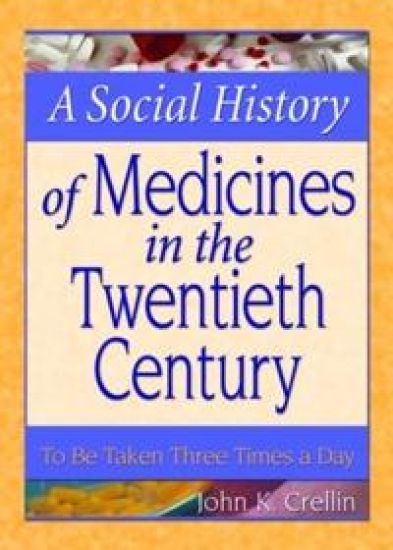
Get a fresh perspective on the day-to-day use of medicine! A Social History of Medicines in the Twentieth Century explores the most perplexing issues concerning the uses of prescriptions and other medicines on both sides of the Atlantic. The book equips you with a thorough understanding of the everyday use of medicine in the United States, Canada, and Britain, concentrating on its recent past. Dr. John K. Crellin, author of several influential books on the history of medicine and pharmacy, addresses vital topics such as: the emergence of prescription-only medicines; gate-keeping roles for pharmacists; the role of the drugstore; and the rise of alternative medicines. A Social History of Medicines in the Twentieth Century adds the historical perspective missing from most medical and pharmaceutical literature about trends in the day-to-day use of medicines in society. The book is essential reading for anyone taking regular medication, either as self-care or by a physician’s prescription. Topics discussed include the non-scientific factors that validate medicines, the relevance of the control of narcotics, marketing strategies used by the pharmaceutical industry, the changing authority of physicians and pharmacists, over-the-counter medicines, tonics and sedatives, and patient complianceand non-compliance. A Social History of Medicines in the Twentieth Century also addresses: medicines for weakness (health foods, fortifiers, digestives/laxatives) poison and pharmacy legislation placebos tranquilizers and antidepressants hormones side-effects psychoactive medications herbal medicines a brief history of the use of medicines from the 17th to 19th centuries suggestions for future policies and much more! A Social History of Medicines in the Twentieth Century is equally vital as a professional resource for physicians, pharmacists, and health care administrators, as a classroom guide for academics working in the medical and pharmaceutical fields, and as a resource for patients.
Medicines for the Union Army

Medicines for the Union Army

Dennis B Worthen; Greg Higby

Routledge Member of the Taylor and Francis Group
2001
sidottu
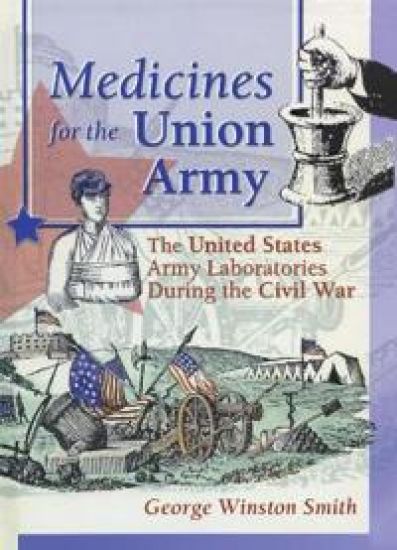
It wasn't only combat that killed during the Civil War! Among white Federalist troops alone, there were 1,213,685 cases of malaria, 139,638 cases of typhoid fever, 67,762 cases of measles, 61,202 cases of pneumonia, 73,382 cases of syphilis, and 109,202 cases of gonorrhea between May 1, 1861 and June 30, 1866. (Statistics for Negro troops covered less than three years of the Civil War period.)Preventative medicine at the time had little more to offer than quinine and a few disinfectants. There was no real understanding of the germ theory of disease. But Medicines for the Union Army: The United States Army Laboratories During the Civil War shows that in the evolution of the army's Medical Department from incompetence to general efficiency during this time, and in the vastly improved organization and supply system designed by William A. Hammond, Jonathan Letterman, the medical purveyors, and others working under the Surgeon General, there was evidence of a great achievement. In Medicines for the Union Army you will come to understand the medical purveying system of the time and its problems, and you will witness the birth, growth, and remarkable achievements of the Federal government's pharmaceutical laboratories at Astoria, New York, and Philadelphia, Pennsylvania. Medicines for the Union Army will inform and enlighten you about the these laboratories, including:the funding and transportation obstacles faced at the Astoria lab the processes by which raw materials became drugs ready for distribution drug testing and inspection methods the bottling of “medicinal whiskey” and wine at the labs the people whose work laid the foundation for modern drug production and distribution methods the contents of the medical supply cases (panniers) and wagons in use at the time . . . and much more! Medicines for the Union Army: The United States Army Laboratories During the Civil War brings to light the groundbreaking achievements of unsung American heroes working to preserve life while the country was in bloody turmoil. No Civil War historian should be without this volume!
Medicines for the Union Army

Medicines for the Union Army

Dennis B Worthen; Greg Higby

Routledge Member of the Taylor and Francis Group
2001
nidottu
It wasn't only combat that killed during the Civil War! Among white Federalist troops alone, there were 1,213,685 cases of malaria, 139,638 cases of typhoid fever, 67,762 cases of measles, 61,202 cases of pneumonia, 73,382 cases of syphilis, and 109,202 cases of gonorrhea between May 1, 1861 and June 30, 1866. (Statistics for Negro troops covered less than three years of the Civil War period.)Preventative medicine at the time had little more to offer than quinine and a few disinfectants. There was no real understanding of the germ theory of disease. But Medicines for the Union Army: The United States Army Laboratories During the Civil War shows that in the evolution of the army's Medical Department from incompetence to general efficiency during this time, and in the vastly improved organization and supply system designed by William A. Hammond, Jonathan Letterman, the medical purveyors, and others working under the Surgeon General, there was evidence of a great achievement. In Medicines for the Union Army you will come to understand the medical purveying system of the time and its problems, and you will witness the birth, growth, and remarkable achievements of the Federal government's pharmaceutical laboratories at Astoria, New York, and Philadelphia, Pennsylvania. Medicines for the Union Army will inform and enlighten you about the these laboratories, including:the funding and transportation obstacles faced at the Astoria lab the processes by which raw materials became drugs ready for distribution drug testing and inspection methods the bottling of “medicinal whiskey” and wine at the labs the people whose work laid the foundation for modern drug production and distribution methods the contents of the medical supply cases (panniers) and wagons in use at the time . . . and much more! Medicines for the Union Army: The United States Army Laboratories During the Civil War brings to light the groundbreaking achievements of unsung American heroes working to preserve life while the country was in bloody turmoil. No Civil War historian should be without this volume!