Kirjojen hintavertailu – 12 859 829 kirjaa ja 27 kauppaa
Kirjailija
Dennis F. Galletta
Kirjat ja teokset yhdessä paikassa: 7 kirjaa, julkaisuja vuosilta 2006–2024, suosituimpiin kuuluu Human-Computer Interaction and Management Information Systems: Applications. Advances in Management Information Systems. Vertaile teosten hintoja ja tarkista saatavuus suomalaisista kirjakaupoista.
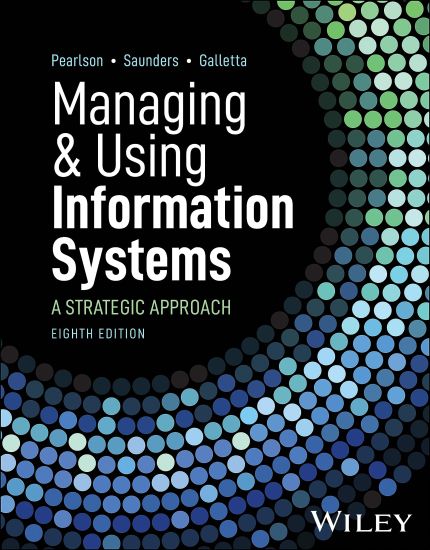
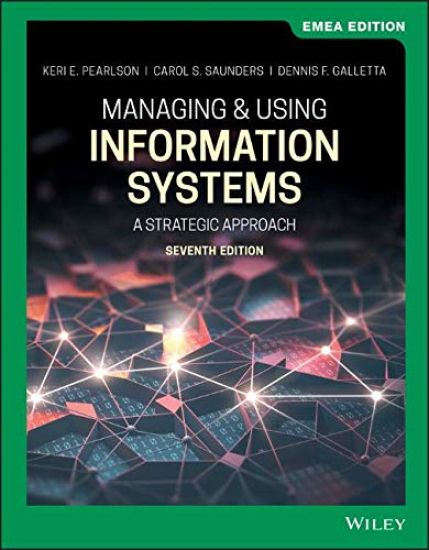
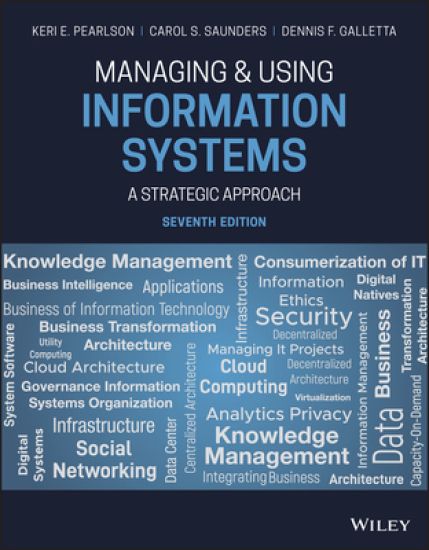
Managing & Using Information Systems: A Strategic Approach provides a solid knowledgebase of basic concepts to help readers become informed, competent participants in Information Systems (IS) decisions. Written for MBA students and general business managers alike, the text explains the fundamental principles and practices required to use and manage information, and illustrates how information systems can create, or obstruct, opportunities within various organizations. This revised and updated seventh edition discusses the business and design processes relevant to IS, and presents a basic framework to connect business strategy, IS strategy, and organizational strategy. Readers are guided through each essential aspect of information Systems, including information architecture and infrastructure, IT security, the business of Information Technology, IS sourcing, project management, business analytics, and relevant IS governance and ethical issues. Detailed chapters contain mini cases, full-length case studies, discussion topics, review questions, supplemental reading links, and a set of managerial concerns related to the topic.
Managing & Using Information Systems: A Strategic Approach provides a solid knowledgebase of basic concepts to help readers become informed, competent participants in Information Systems (IS) decisions. Written for MBA students and general business managers alike, the text explains the fundamental principles and practices required to use and manage information, and illustrates how information systems can create, or obstruct, opportunities within various organizations. This revised and updated seventh edition discusses the business and design processes relevant to IS, and presents a basic framework to connect business strategy, IS strategy, and organizational strategy. Readers are guided through each essential aspect of information Systems, including information architecture and infrastructure, IT security, the business of Information Technology, IS sourcing, project management, business analytics, and relevant IS governance and ethical issues. Detailed chapters contain mini cases, full-length case studies, discussion topics, review questions, supplemental reading links, and a set of managerial concerns related to the topic.
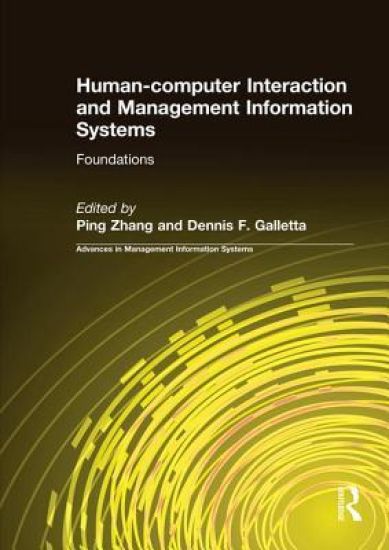
"Human-Computer Interaction and Management Information Systems: Foundations" offers state-of-the-art research by a distinguished set of authors who span the MIS and HCI fields. The original chapters provide authoritative commentaries and in-depth descriptions of research programs that will guide 21st century scholars, graduate students, and industry professionals. Human-Computer Interaction (or Human Factors) in MIS is concerned with the ways humans interact with information, technologies, and tasks, especially in business, managerial, organizational, and cultural contexts. It is distinctive in many ways when compared with HCI studies in other disciplines. The MIS perspective affords special importance to managerial and organizational contexts by focusing on analysis of tasks and outcomes at a level that considers organizational effectiveness. With the recent advancement of technologies and development of many sophisticated applications, human-centeredness in MIS has become more critical than ever before. This book focuses on the basics of HCI, with emphasis on concepts, issues, theories, and models that are related to understanding human tasks, and the interactions among humans, tasks, information, and technologies in organizational contexts in general.
"Human-Computer Interaction and Management Information Systems: Applications" offers state-of-the-art research by a distinguished set of authors who span the MIS and HCI fields. The original chapters provide authoritative commentaries and in-depth descriptions of research programs that will guide 21st century scholars, graduate students, and industry professionals. Human-Computer Interaction (or Human Factors) in MIS is concerned with the ways humans interact with information, technologies, and tasks, especially in business, managerial, organizational, and cultural contexts. It is distinctive in many ways when compared with HCI studies in other disciplines. The MIS perspective affords special importance to managerial and organizational contexts by focusing on analysis of tasks and outcomes at a level that considers organizational effectiveness. With the recent advancement of technologies and development of many sophisticated applications, human-centeredness in MIS has become more critical than ever before. This work focuses on applications and evaluations including special case studies, specific contexts or tasks, HCI methodological concerns, and the use and adoption process.
"Human-Computer Interaction and Management Information Systems: Applications" offers state-of-the-art research by a distinguished set of authors who span the MIS and HCI fields. The original chapters provide authoritative commentaries and in-depth descriptions of research programs that will guide 21st century scholars, graduate students, and industry professionals. Human-Computer Interaction (or Human Factors) in MIS is concerned with the ways humans interact with information, technologies, and tasks, especially in business, managerial, organizational, and cultural contexts. It is distinctive in many ways when compared with HCI studies in other disciplines. The MIS perspective affords special importance to managerial and organizational contexts by focusing on analysis of tasks and outcomes at a level that considers organizational effectiveness. With the recent advancement of technologies and development of many sophisticated applications, human-centeredness in MIS has become more critical than ever before. This work focuses on applications and evaluations including special case studies, specific contexts or tasks, HCI methodological concerns, and the use and adoption process.
"Human-Computer Interaction and Management Information Systems: Foundations" offers state-of-the-art research by a distinguished set of authors who span the MIS and HCI fields. The original chapters provide authoritative commentaries and in-depth descriptions of research programs that will guide 21st century scholars, graduate students, and industry professionals. Human-Computer Interaction (or Human Factors) in MIS is concerned with the ways humans interact with information, technologies, and tasks, especially in business, managerial, organizational, and cultural contexts. It is distinctive in many ways when compared with HCI studies in other disciplines. The MIS perspective affords special importance to managerial and organizational contexts by focusing on analysis of tasks and outcomes at a level that considers organizational effectiveness. With the recent advancement of technologies and development of many sophisticated applications, human-centeredness in MIS has become more critical than ever before. This book focuses on the basics of HCI, with emphasis on concepts, issues, theories, and models that are related to understanding human tasks, and the interactions among humans, tasks, information, and technologies in organizational contexts in general.