Kirjojen hintavertailu – 12 859 828 kirjaa ja 27 kauppaa

Kirjailija

Dennis Parker

Kirjat ja teokset yhdessä paikassa: 9 kirjaa, julkaisuja vuosilta 1992–2024, suosituimpiin kuuluu Hazard Management and Emergency Planning. Vertaile teosten hintoja ja tarkista saatavuus suomalaisista kirjakaupoista.

9 kirjaa

Kirjojen julkaisuvuodet: 1992–2024.

Flood and Coastal Erosion Risk Management

Flood and Coastal Erosion Risk Management

Edmund Penning-Rowsell; Sally Priest; Dennis Parker; Joe Morris; Sylvia Tunstall; Christophe Viavattene; John Chatterton; Damon Owen

TAYLOR FRANCIS LTD
2024
nidottu
A new ‘Multi-Coloured Manual' This book is a successor to and replacement for the highly respected manual and handbook on the benefits of flood and coastal risk management, produced by the Flood Hazard Research Centre at Middlesex University, UK, with support from Defra and the Environment Agency. It builds upon a previous book known as the "multi-coloured manual" (2005), which itself was a synthesis of the blue (1977), red (1987) and yellow manuals (1992). As such it expands and updates this work, to provide a manual of assessment techniques of flood risk management benefits, indirect benefits, and coastal erosion risk management benefits. It has three key aims. First it provides methods and data which can be used for the practical assessment of schemes and policies. Secondly it describes new research to update the data and improve techniques. Thirdly it explains the limitations and complications of Benefit-Cost Analysis, to guide decision-making on investment in river and coastal risk management schemes.

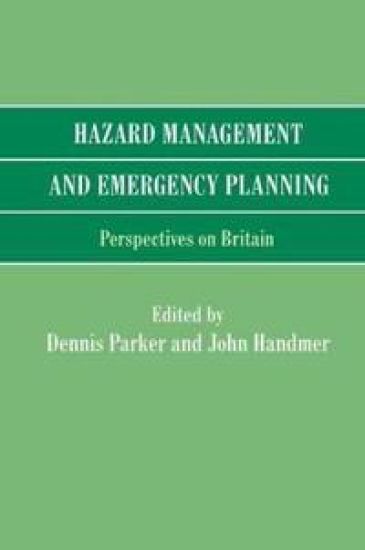
Hazard Management and Emergency Planning

Hazard Management and Emergency Planning

Dennis Parker; John Handmer

Routledge
2016
nidottu
This book assesses critically the British approach to hazard management and emergency planning. It identifies the principal legal, organizational and cultural impediments to more effective hazard management and emergency planning, postulates explanations for the shortcomings in the British approach and examines a number of promising avenues for improving current practice. It comprises 18 chapters written by experts with a wide range of practical experience in the many different aspects of the field. Many of the authors introduce international perspectives and comparisons. From it all, the editors conclude, sadly: 'The overall hazard and emergency management approach currently adopted in Britain appears to be inadequate and current standards of protection appear to be inefficient for the 1990s and beyond'
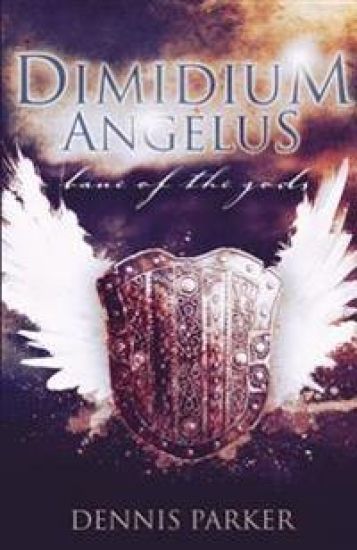
Dimidium Angelus: Bane of the Gods

Dimidium Angelus: Bane of the Gods

Dennis Parker

Createspace Independent Publishing Platform
2016
nidottu
"Why should the sons of fire bow to the son of clay?" With this one simple question, a war began. Lucifer's jealousy of mankind ultimately resulted in his eviction from Heaven. Zeus, Ares, Hades, and the other Greek gods joined him along with Odin, Baldr, T r and the Norse gods. On Earth, they plotted their revenge. But before they could challenge God again, they needed more soldiers. Zeus and Ares developed a plan to provide them with the numbers they needed; mating with humans. Magnes and Pylos, the sons of Zeus and Ares, were born with a human appearance. But they also possessed some of the same powers as their dangerous parents. Satisfied with the results, Lucifer commanded the other gods to breed an army. But something happened the gods could not have foreseen. Magnes discovered the truth. He begged forgiveness for the sins of his father and swore loyalty to God. Pylos followed soon after and recruited other children of the gods. With the assistance of the archangels of Heaven, the children of the gods rebelled and imprisoned their parents. Sensing defeat, Lucifer unleashed the archangels of Hell. Their mission was to find and release the gods. Through thousands of years and countless battles, the archangels of Hell came so very close to their goal. But the children of the gods somehow found a way to defeat them every time. Lucifer's final weapon is his most powerful archangel: Azazel. The fate of mankind hangs in the balance as Magnes and the other children fight to keep their parents under control.
Flood and Coastal Erosion Risk Management

Flood and Coastal Erosion Risk Management

Edmund Penning-Rowsell; Sally Priest; Dennis Parker; Joe Morris; Sylvia Tunstall; Christophe Viavattene; John Chatterton; Damon Owen

Routledge
2013
sidottu
A new ‘Multi-Coloured Manual' This book is a successor to and replacement for the highly respected manual and handbook on the benefits of flood and coastal risk management, produced by the Flood Hazard Research Centre at Middlesex University, UK, with support from Defra and the Environment Agency. It builds upon a previous book known as the "multi-coloured manual" (2005), which itself was a synthesis of the blue (1977), red (1987) and yellow manuals (1992). As such it expands and updates this work, to provide a manual of assessment techniques of flood risk management benefits, indirect benefits, and coastal erosion risk management benefits. It has three key aims. First it provides methods and data which can be used for the practical assessment of schemes and policies. Secondly it describes new research to update the data and improve techniques. Thirdly it explains the limitations and complications of Benefit-Cost Analysis, to guide decision-making on investment in river and coastal risk management schemes.
Jefferson's Masterpiece: The Story of the Declaration of Independence for Young Readers
Jefferson's Masterpiece is the amazing story of Thomas Jefferson and the Declaration of Independence. Readers take a historical journey that begins on June 11, 1776, when the Committee of Five met to choose the person to write the Declaration of Independence. It concludes on August 2, when 56 delegates signed America's birth certificate, after spending days editing, debating and voting on Jefferson's draft. The new American citizens joyfully celebrated the Declaration of Independence.
Hazard Management and Emergency Planning

Hazard Management and Emergency Planning

Dennis Parker; John Handmer

Earthscan Ltd
1992
sidottu
This book assesses critically the British approach to hazard management and emergency planning. It identifies the principal legal, organizational and cultural impediments to more effective hazard management and emergency planning, postulates explanations for the shortcomings in the British approach and examines a number of promising avenues for improving current practice. It comprises 18 chapters written by experts with a wide range of practical experience in the many different aspects of the field. Many of the authors introduce international perspectives and comparisons. From it all, the editors conclude, sadly: 'The overall hazard and emergency management approach currently adopted in Britain appears to be inadequate and current standards of protection appear to be inefficient for the 1990s and beyond'