Kirjojen hintavertailu – 12 859 828 kirjaa ja 27 kauppaa
Kirjailija
Department of Justice
Kirjat ja teokset yhdessä paikassa: 25 kirjaa, julkaisuja vuosilta 2011–2019, suosituimpiin kuuluu Resources for the Criminal Justice, Juvenile Justice and Victims' Service Fields. Vertaile teosten hintoja ja tarkista saatavuus suomalaisista kirjakaupoista.
Several OJP initiatives, including many fellowships and some training and technical assistance initiatives, cover a broad range of criminal and juvenile justice issues. While many initiatives that cross-cut more than one topical issue are found throughout the Program Plan, this section includes those that touch many areas and may have no single area of emphasis. In addition, many of the programs in this section support OJP's efforts to ensure that communities and their partners have the necessary tools to be successful, including the following: - information about how federal funding works in their communities;- access to a full range of technical assistance and training;- knowledge from other communities about programs that work;- data, research, and evaluations for use in strategic planning;- strong public and private institutional partnerships; and- online resources and access to technology.
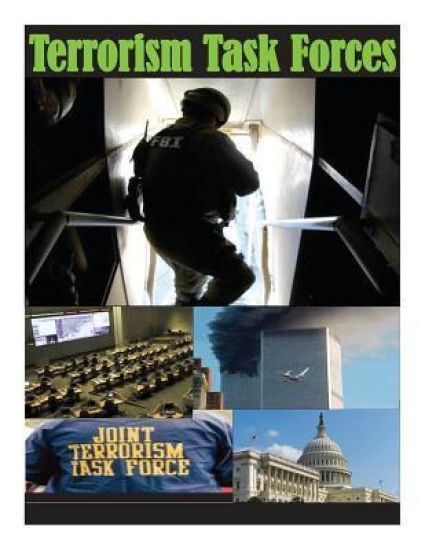
The September 11, 2001, terrorist attacks prompted the Department ofJustice (Department) to redefine its mission, objectives, and priorities to focusits top priority on counterterrorism. As a result, the Attorney Generalelevated counterterrorism to the Department's first strategic goal and shiftedthe Department's resources to eliminating terrorist networks, preventingterrorist operations, and prosecuting perpetrators of terrorist acts. TheDepartment also directed the formation or expansion of terrorism task forcesand councils (with members from many federal, state, and local agencies andprivate industry) that coordinate and integrate intelligence and lawenforcement functions to achieve the Department's counterterrorism goal. In this review, the Office of the Inspector General (OIG) assessed therole and operations of these terrorism task forces and councils. We examinedwhether the task forces and councils were achieving their purposes; whethergaps, duplication, and overlap existed in counterterrorism coverage; and howthe performance of the task forces and councils is measured. We collectedinformation through interviews of senior Department officials, task force andcouncil managers and members, and state and local law enforcementofficials; a survey of task force managers and members; document reviews;and direct observation of task force and council activities.