Kirjojen hintavertailu – 12 903 725 kirjaa ja 27 kauppaa

Kirjailija

Derek Burke

Kirjat ja teokset yhdessä paikassa: 4 kirjaa, julkaisuja vuosilta 1996–2021, suosituimpiin kuuluu Key Clinical Topics in Trauma. Vertaile teosten hintoja ja tarkista saatavuus suomalaisista kirjakaupoista.

4 kirjaa

Kirjojen julkaisuvuodet: 1996–2021.

Key Clinical Topics in Trauma

Key Clinical Topics in Trauma

Keith Porter; Ian Greaves; Derek Burke

JP Medical Ltd
2016
nidottu
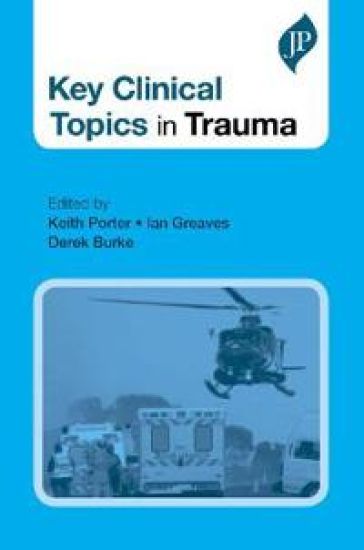
Key Clinical Topics in Trauma presents a brand new addition to the Key Clinical Topics series. This book provides a comprehensive overview of the subject, comprising 100 carefully selected topics in alpha order that together provide an extensive understanding of the management of traumatic injuries. This collection of highly practical guides systematically addresses management techniques for a large number of clinical settings. Edited by experienced specialists, with contributions from consultants who have recognised expertise in their field, this book provides an authoritative and up-to-date guide on the treatment of traumatic injuries. Designed to enable rapid access to core information, Key Clinical Topics in Trauma offers effective exam revision and the ideal quick reference for day-to-day practice. 100 topics presented in alpha order, from abdominal trauma to wrist and carpal injuriesEffective exam revision for MCEM and FCEM candidates Succinct coverage of trauma treatment modalities and complicationsIncludes clinical photos and diagrams to improve understanding of concepts Contributions from experienced specialists to ensure authoritative, accurate content
Self-Assessment In Accident and Emergency Medicine

Self-Assessment In Accident and Emergency Medicine

Derek Burke; Ian Greaves; Philip Hormbrey

Hodder Arnold
1996
nidottu
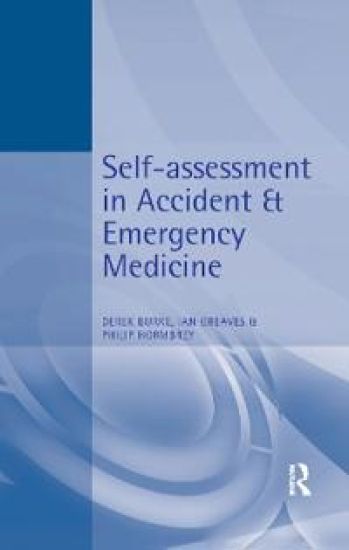
A pocket-sized self-test book designed for junior doctors. It features not only multiple choice questions, but also case histories, questions on ECGs, data interpretation, x-ray and picture questions. The range of subjects covered is comprehensive andthe answers informative and unambiguous. Designed for junior doctors, Self Assessment in Accident and Emergency Medicine features not only MCQs but also case histories, questions on ECGs, data interpretation, X-ray and picture questions. The range of subjects covered is comprehensive, coveringall the common problems encountered in the Accident and Emergency Department. Also included are the rarer conditions which many inexperienced doctors find difficult to diagnose. This entertaining and informative guide provides a convenient way ofaquiring information and testing knowledge for all doctors working in A&E. It will also become an indispensible study aid for candidates for the Accident and Emergency Fellowship and the Accident and Emergency Faculty exams.
How Doctors Think and Learn

How Doctors Think and Learn

Derek Burke

Springer Nature Switzerland AG
2021
nidottu
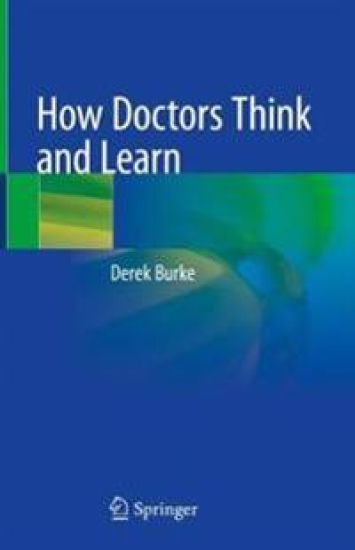
This book describes the theoretical basis for the acquisition; development and refining of professional medical skills from entry level into professional training to those developing specialist expertise. Chapters review the presently available literature on educational theory, the cognitive processes underpinning memory and learning, skill acquisition, competence and assessment and reflection. A synthesis is also presented on why a particular theoretical foundation model of professional skill acquisition should be adopted based on the current understanding of traditional educational theory, theories of cognitive development and neurophysiology. How Doctors Think and Learn details the theoretical basis for acquiring and developing professional medical skills and is an essential resource for all those who deliver medical education, training and professional development.
How Doctors Think and Learn

How Doctors Think and Learn

Derek Burke

Springer Nature Switzerland AG
2020
sidottu
This book describes the theoretical basis for the acquisition; development and refining of professional medical skills from entry level into professional training to those developing specialist expertise. Chapters review the presently available literature on educational theory, the cognitive processes underpinning memory and learning, skill acquisition, competence and assessment and reflection. A synthesis is also presented on why a particular theoretical foundation model of professional skill acquisition should be adopted based on the current understanding of traditional educational theory, theories of cognitive development and neurophysiology. How Doctors Think and Learn details the theoretical basis for acquiring and developing professional medical skills and is an essential resource for all those who deliver medical education, training and professional development.