Kirjailija
Deyan Sudjic
Kirjat ja teokset yhdessä paikassa: 22 kirjaa, julkaisuja vuosilta 2009–2026, suosituimpiin kuuluu Analogue. Vertaile teosten hintoja ja tarkista saatavuus suomalaisista kirjakaupoista.
22 kirjaa
Kirjojen julkaisuvuodet: 2009–2026.
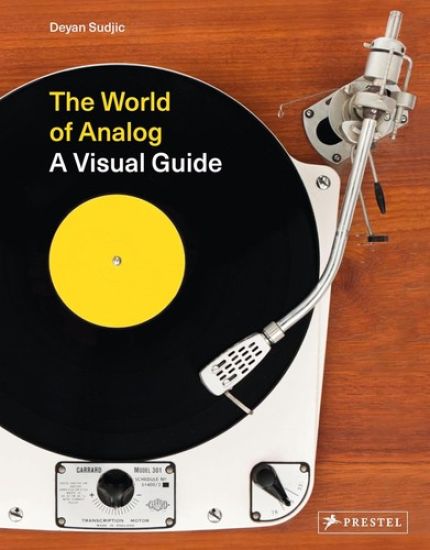
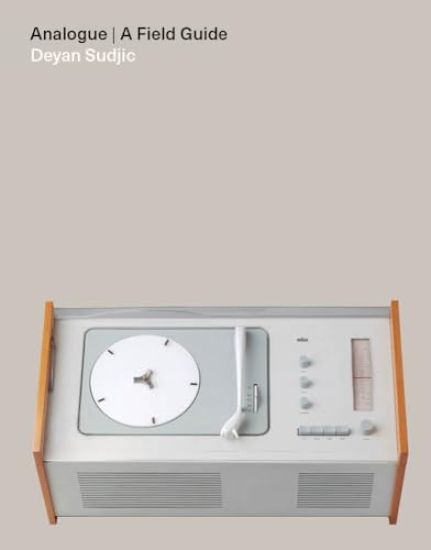
The perfect antidote to your digital diet, this is a delightful exploration of analogue product design that crosses categories and generations, celebrating the timeless allure of the real and tactile over the merely virtual. Covering sound, vision, communication and information, Analogue: A Field Guide is an evocative trip through an era of innovative design, profiling 250 classic objects from radios to turntables, TVs to cameras, and typewriters to telephones. Along the way, it surveys all the iconic brands as well as the technological developments that have made these devices possible. There is a growing nostalgia for physical, real-world interaction with design and technology and a desire to reconnect with both things and people, something that has been eroded by the digital revolution. The wide-ranging approach of this book enables it to show the deeper cultural and social significance of the analogue era, with the authority to convince those who know a lot about each category and the breadth to attract the non-specialist. Ideal for those nostalgic for physical media, as well as those who collect, use and maintain these older technologies. Written by leading design historian, Deyan Sudjic, the book includes works by such renowned designers as Dieter Rams, Philippe Starck, Ettore Sottsass and Richard Sapper, and taps into the ever-growing renaissance of interest in the analogue world.
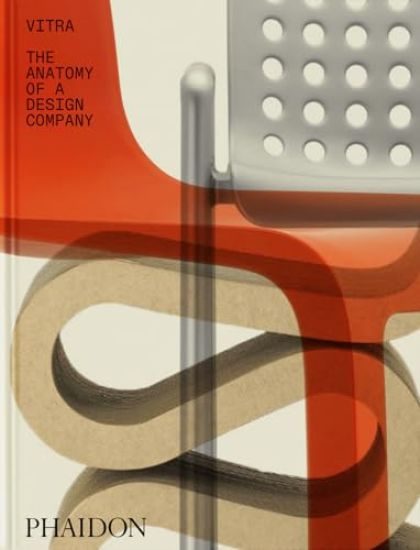
The in-depth story of one of the world’s most innovative and influential design companies In the recent history of contemporary design and architecture, no company has had more influence than Vitra. From the 1950s to the present day, Vitra has worked with succeeding generations of designers – from Ray and Charles Eames to Frank Gehry and Zaha Hadid, to Ron Arad, Jasper Morrison, and Virgil Abloh. With its forward-thinking approach, Vitra has defined and shaped the way that we live and work. Written by Deyan Sudjic in close collaboration with Rolf Fehlbaum who led the company for more than 30 years, Vitra: The Anatomy of a Design Company, tells the story of the three generations behind Vitra. Driven by a sense of cultural and social mission, Vitra has had a major influence on every aspect of contemporary design, from architecture to graphics, photography, product design, and the landscape. It has shaped our understanding of such major figures as Jean Prouvé and Verner Panton. It has encouraged designers at the start of their careers including Jasper Morrison and Ronan and Erwan Bouroullec. It has safeguarded the archives of such key figures as Luis Barragan and Alexander Girard, and built one of the world’s most important design museums. The book also features inserts written by design consultant and writer Karen Stein, as well as a photographic essay by acclaimed architectural photographer Iwan Baan. Spanning more than 450 pages and over 400 illustrations, this substantial volume covers Vitra’s working relationship with designers, the rich architectural heritage of the Vitra Campus, with buildings by Tadao Ando, Herzog & de Meuron, and Alvaro Siza. It provides an essential account of contemporary design history, offers a unique insight into the role of design in business, and documents the nature of a design process that results in successful products.
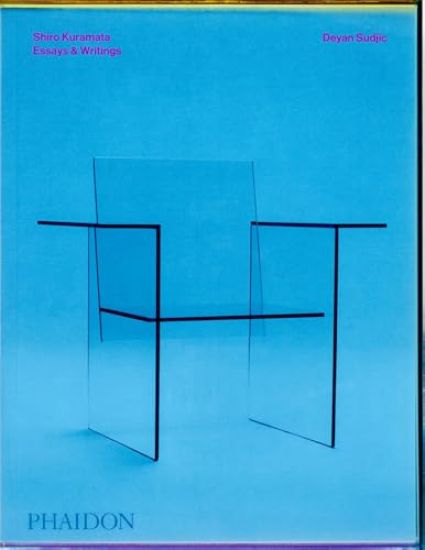
A new edition of the definitive monograph on Japanese designer Shiro Kuramata, featuring a new introduction from author Deyan Sudjic This highly acclaimed, first ever monograph on the highly influential Japanese designer Shiro Kuramata (1934–1991) is a two-volume title presenting all his compelling and idiosyncratic work in a stunning, specially designed acrylic slipcase. Designers and design enthusiasts who love Kuramata will be astonished by the breadth and depth of Kuramata’s remarkable body of work, from the iconic Miss Blanche chair, made from artificial flowers and resin, to his idiocyncratic umbrella stand that incorporates a walking stick into its design, and the armchair How High the Moon, which is made from metal mesh, many of which are still in production today.
Mirror Mirror
Glenn Adamson; Deyan Sudjic
RIZZOLI INTERNATIONAL PUBLICATIONS
2024
sidottu
Halvin toimitettuna 64,00 €
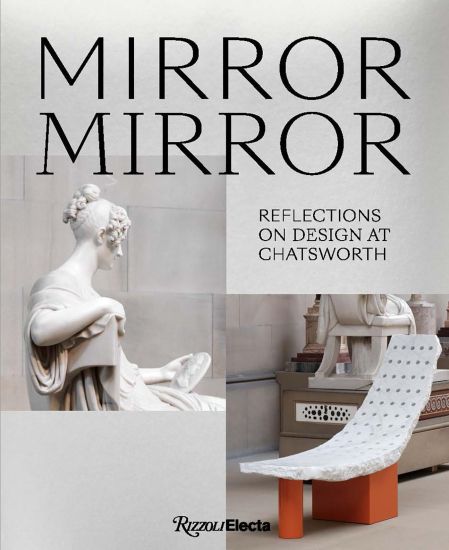
The world’s most important contemporary designers showcase their work within the historic setting of Chatsworth House to shine light and spark conversation on the intriguing juxtaposition of the old and the new, the past and the future, and the evolution of design histories and practices. Chatsworth is an extraordinary environment to experience design: a repository for great works of fine and decorative art commissioned by generations of the Cavendish family for over four centuries. Expanding on the eponymous 2023 exhibition at Chatsworth, Mirror Mirror features the works of sixteen contemporary artists through captivating in-situ photography with accompanying artist biographies and essays that unearth how historic artifacts and environments inform and inspire modern artists' practices today. This diverse group of artists includes Michael Anastassiades, Ini Archibong, Wendell Castle, Andile Dyalvane, Ndidi Ekubia, Najla El Zein, Formafantasma, Joris Laarman, Max Lamb, Fernando Laposse, Jae Sae Jung Oh, Samuel Ross, Chris Schanck, Ettore Sottsass, Faye Toogood, and Joseph Walsh. From lithe, LED lighting structures illuminating the halls of the Chatsworth library to a seating sculpture hand-carved in Iranian travertine in the grand estate’s formal Rose Garden, these modern works create unexpected and timeless connections with the house’s architecture, interiors, furniture, and ceramics.
The perfect antidote to your digital diet, this delightful eulogy of all things analog crosses categories and generations to celebrate the timeless allure of tactile experience and real- time interaction over the evanescence of the virtual. The analog renaissance is underway and growing to encompass not just turntables and film cameras but also transistor radios, camcorders, mercury thermometers, xerox machines and compasses. Beautifully designed and packed with fascinating information and superb illustrations, this timely and uniquely wide-ranging compendium of analog objects celebrates the way we used to communicate with each other--how we listened to recorded music, told the time, wrote a letter, watched a film, and took a picture. Organized into broad categories of information, sound, vision, and communication, this nostalgic trip down product design's memory lane profiles 250 objects that revolutionized communication, entertainment, and creative expression in their own time-- some of which have been reclaimed in ours. Along the way, it reveals a variety of stories--which companies made the greatest contributions to design--Sony, Braun, Brionvega, and Bang & Olufsen; the evolution of music formats, from vinyl to compact disk; and cameras from Brownie to Instamatic. An inspirational guide for analog aficionados, designers and collectors, this is also a charming cultural history of everyday objects that bridge generations and transcend time.
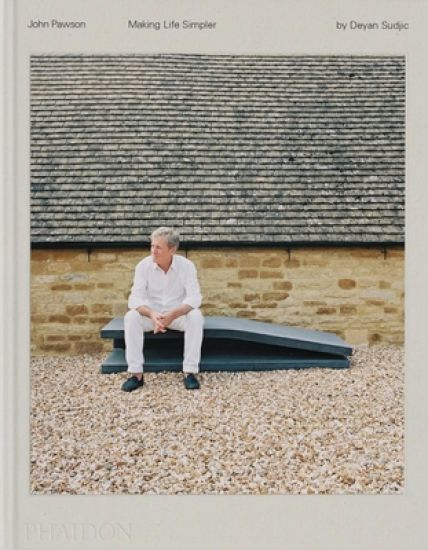
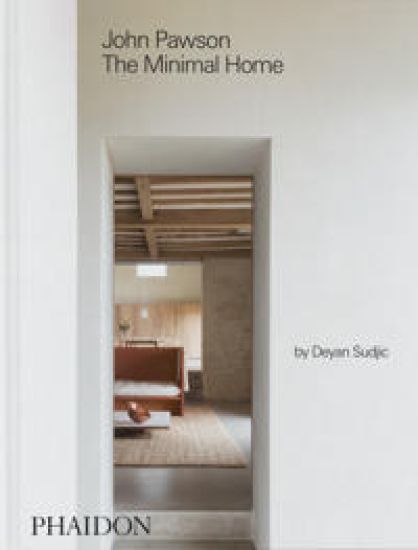
The only comprehensive book on the fascinating life and work of the celebrated architectural designer, John Pawson This visual biography brings together John Pawson’s architecture, life, clients, travel, photography, design, books, and ideas. Written by Deyan Sudjic, an architectural historian and long-time friend, it explores the full scope of Pawson’s life, from his Yorkshire upbringing and time spent in Japan to the fashion years and the influence of art, and provides a thoughtful and intimate insight into his life, inspirations, and work. It features wonderfully engaging stories and anecdotes about Pawson's work with such clients as Bruce Chatwin, Calvin Klein, Karl Lagerfeld, Shiro Kuramata, Martha Stewart, and many more. The book features documents, photography and ephemera, including never-seen-before images from Pawson's personal and professional archives – richly illustrated, this is the ultimate book on John Pawson.
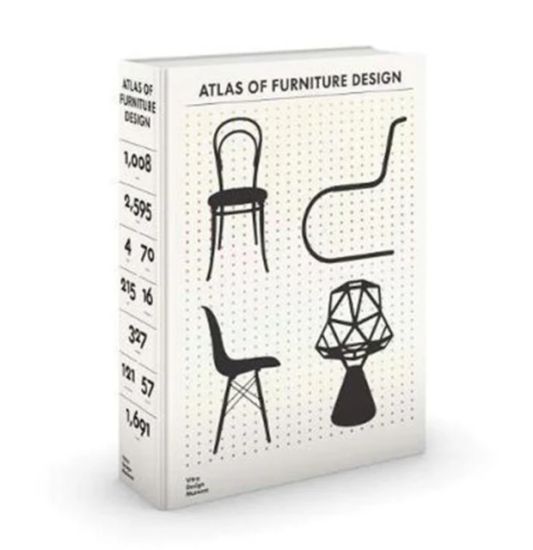
The Atlas of Furniture Design
Mateo Kries; Jochen Eisenbrand; Henrike Büscher; Fulvio Ferrari; Otakar Mácel; Jane Pavitt; Ingeborg de Roode; Arthur Rüegg; Deyan Sudjic; Wolf Tegethoff; Carsten Thau; et al
Vitra Design Museum
2019
sidottu
Halvin toimitettuna 130,00 €
In 2019, the Vitra Design Museum will publish the Atlas of Furniture Design, the definitive, encyclopedic overview of the history of modern furniture design. Featuring over 1700 objects by more than 500 designers and 121 manufacturers, it includes approximately 2800 images ranging from detailed object photographs to historical images documenting interiors, patents, brochures, and related works of art and architecture. The basis for the Atlas of Furniture Design is the collection held by the Vitra Design Museum, one of the largest of its kind with more than 7000 works. The book presents selected pieces by the most important designers of the last 230 years and documents key periods in design history, including early nineteenth-century industrial furniture in bentwood and metal, Art Nouveau and Secessionist pieces and works by protagonists of classical modernism and postwar design, as well as postmodern and contemporary pieces. The Atlas of Furniture Design employed a team of more than 70 experts and features over 550 detailed texts about key objects. In-depth essays provide sociocultural and design-historical context to four historical epochs of furniture design and the pieces highlighted here, enriched by a detailed annex containing designer biographies, glossaries, and elaborate information graphics. The Atlas of Furniture Design is an indispensable resource for collectors, scholars and experts, as well as a beautifully designed object that speaks to design enthusiasts.
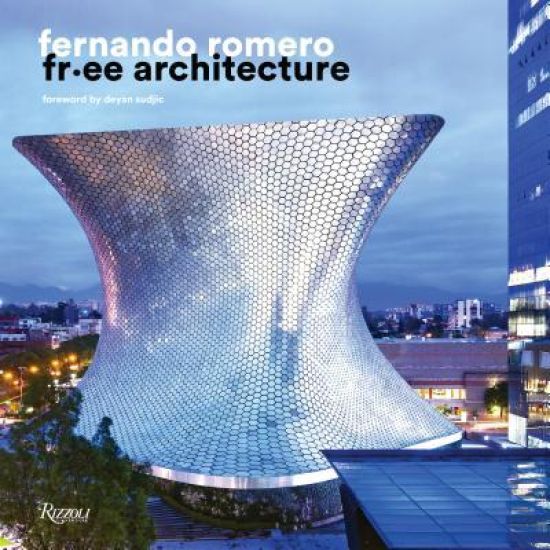
In the past few years, Mexico has brought to light a new generation of architects whose extraordinary vision and productivity has positioned the country among the most creative design cultures of the world. Under his own firm FR-EE, since 2000 Fernando Romero has designed and created a number of projects which represent a new vision of Mexican and world architecture. Romero s approach to architecture is innovative and an inspirational tool for empowering future generations. The volume will focus on three themes that intertwine throughout the content of the book. On-site photographs (mainly aerial views) highlight the different places where FR-EE works, from urban centers to the desert. The location is what drives FR-EE s creative work, while the practice strives to investigate the dynamic forces of each site and client. Inspirational photographs give the reader a vision of how Romero s perspective shifts between different focuses of references, and reimagines them in new symbolic visions of the world (from monuments to colors, from natural elements to animals). The images include renderings, photographs, diagrams, plans, and sections. The projects are presented in situ and through architectural drawings, so as to explain the projects concepts and contents.
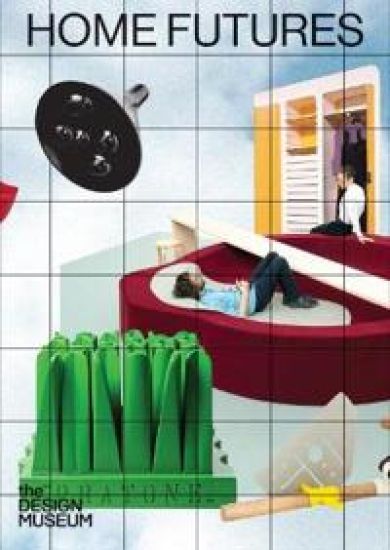
The twentieth century offered up countless visions of domestic life, from the aspirational to the radical. Whether it was the dream of the fully mechanised home or the notion that technology might free us from home altogether, the domestic realm was a site of endless invention and speculation. But what happened to those visions? Are the smart homes of today the future that architects and designers once predicted, or has ‘home’ proved resistant to radical change? Home Futures: Living in Yesterday’s Tomorrow –accompanying a major Design Museum exhibition of the same title–explores a number of different attitudes toward domestic life, tracing the social and technological developments that have driven change in the home. It proposes that we are already living in yesterday’s tomorrow, just not in the way anyone predicted. This book begins with a lavishly illustrated catalogue portraying the ‘home futures’ of the twentieth century and beyond, from the work of Ettore Sottsass and Joe Colombo to Google’s recent forays into the smart home. The catalogue is followed by a reader consisting of newly commissioned essays by writers such as Dan Hill and Justin McGuirk, which explore the changes in the domestic realm in relation to space, technology, society, economy and psychology.
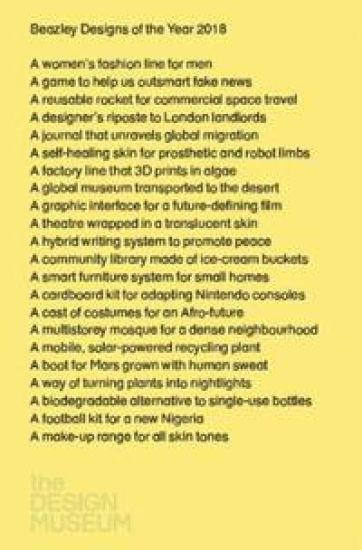
Now in its eleventh year, the Design Museum’s Beazley Designs of the Year award and exhibition showcase the most innovative, relevant and thought-provoking projects in contemporary design. From the first iPhone to Zaha Hadid’s final building, the nominations for the award have spanned the fields of architecture, digital, fashion, graphics, product and transport. Introduced by Deyan Sudjic and guest curator Aric Chen of M+ in Hong Kong, this illustrated book brings together all the nominated designs for 2018, along with the reasons for their selection by an international group of design experts, practitioners and critics, including Iwan Baan and Hans Ulrich Obrist. It is a snapshot of the most exciting things happening in design today. At the beginning of the second decade of its life, the essence of the concept remains the same. A wide and international group of expert nominators have been invited to put forward up to three projects each that for them reflect significant new directions in six fields, from architecture to transport. The results are put together by a guest curator to form an exhibition at the Design Museum. A jury selects winners in each category, as well as one overall design of the year. The Design Museum has published an accompanying catalogue for the award and exhibition over the past ten years, which was marked by the publication of the ten-year anniversary book Designs of our Time: 10 Years of Designs of the Year.
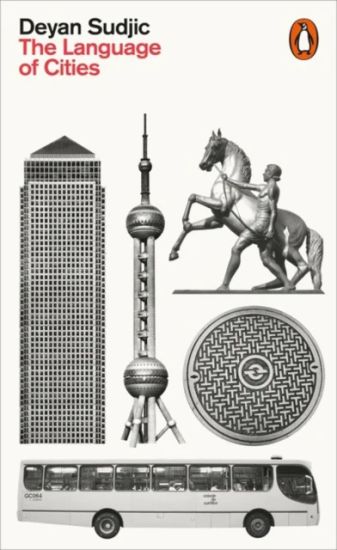
The director of the Design Museum defines the greatest artefact of all time: the cityWe live in a world that is now predominantly urban. So how do we define the city as it evolves in the twenty-first century? Drawing examples from across the globe, Deyan Sudjic decodes the underlying forces that shape our cities, such as resources and land, to the ideas that shape conscious elements of design, whether of buildings or of space. Erudite and entertaining, he considers the differences between capital cities and the rest to understand why it is that we often feel more comfortable in our identities as Londoners, Muscovites, or Mumbaikars than in our national identities.
The incredible life story of one of the 20th century's most important designers, who knew everyone from Hemingway to Picasso. Ettore Sottsass and the Poetry of Things chronicles the life and times of one of the most important, prolific, and, above all, interesting designers and architects of the 20th century. Sottsass (1917-2007), originally trained as an architect and worked as a design consultant for Olivetti, where he developed the iconic Valentine typewriter, before going on to found the Memphis Group in the 1980s, ushering in an era of influential designs in furniture, ceramics and lighting that continue to inspire design minds today with their flamboyance and use of color. Author Deyan Sudjic (Director of London's Design Museum) does not limit his narrative to an examination of Sottsass' iconic designs. Though a native son of Italy, Sottsass cast a shadow of influence on the entire world, traveling extensively over the course of his life and interacting with some of the 20th century's most iconic figures, including Picasso, Hemingway and Allen Ginsberg. Sudjic's writing, complemented by unpublished personal photographs from Sottsass' archive, offers a unique view of Sottsass from the perspective of the world that surrounded him, recounting anecdotes of encounters between the designer and his famous contemporaries. The result is a unique and comprehensive portrait not only Sottsass but of the last 100 years of design in Italy and around the world. Features anecdotes of his encounters with the biggest creatives of the time, and details of his influences and inspirations, documenting the contemporary design scene both in Italy and abroad.
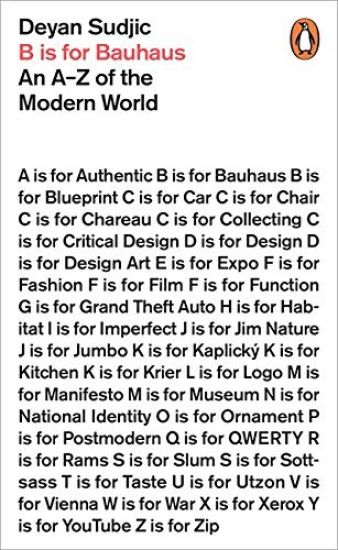
This an essential tool kit for understanding the world around us. It's about our obsession with collecting, the quest for authenticity and the creation of national identities. It's about Hitchcock's film sets and why we value imperfection. It's about fashion and technology, about politics and art.'A memoir and a master class in musing on modern design . . . It's a collection of thoughtful, absorbing essays about many aspects of modern design, a subject nobody writes better about than Sudjic' - Evening Standard
In 2050, over three quarters of the world’s population will live in cities. This follow-up to Phaidon’s successful The Endless City is a close look at the issues that affect cities, and thus human life across the globe in the twenty-first century. Based on a series of conferences held by the London School of Economics, Living in the Endless City examines Mumbai, Sao Paolo and Istanbul through a series of essays by global scholars and thinkers, photographs illustrating key aspects of life in the three cities, and compellingly presented analytical data.
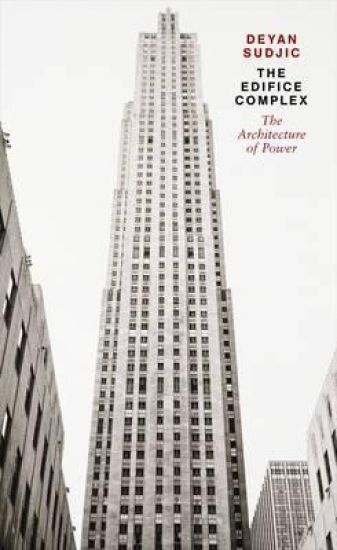
Deyan Sudjic's The Edifice Complex: The Architecture of Power is a fascinating exploration of the language of architecture as an insight into the psychology of power, from tyrants to billionaires. Why do presidents and prime ministers, tycoons and tyrants share such a fascination with grand designs? Is it to impress or terrify, to wield state power, make a bid for immortality or just satisfy their egos? From Hitler's vast Chancellery to Saddam Hussein's Mother of all Battles mosque, from Olympic stadiums to Donald Trump's excesses, Deyan Sudjic examines the murky relationship between buildings, money and politics, revealing the power of architecture - and the architecture of power. 'A thrilling and passionately indignant trawl through vanity's most polluted depths' The Times 'An often frightening, sometimes hilarious set of stories of brutality, absurdity and occasionally beauty' Evening Standar 'Punchily written ... deftly amusing ... a closely argued, brilliantly marshalled, important book' Daily Mail 'Informed, lively and intelligent ... an asylum of power-mad politicians and Croesus-rich patrons' New Statesman 'By turns funny, acidic, penetrating and provocative ... as compelling a read as a popular novel' Norman Foster Director of the Design Museum, Deyan Sudjic was born in London of Yugoslav parents. He is a former architecture critic for the Observer, and a visiting professor at the Royal College of Art. Sudjic was Director of the Venice Architecture Biennale in 2002 and is author of The Edifice Complex, the much-praised 100-Miles City, the best-selling Architecture Pack, The Language of Things and monographs on John Pawson, Ron Arad and Richard Rogers.
In The Language of Things Deyan Sudjic, Director of the Design Museum, decodes the things around us: their hidden meanings, our relationship with them, how they shape our lives and why we desire them. Design is everywhere. It seduces, pleases and inspires us. It makes us part with our money. It defines who we think we are. An iPhone, an anglepoise lamp, a Picasso, a banknote, an Armani suit, a William Morris textile, a Lucky Strike packet, a spacecraft - every object tells a story. And understanding their stories offers us a whole new way of seeing the world. 'Articulate and wonderfully knowledgeable ... for anyone who takes an interest in the world around us' Time Out 'A nightmare vision of a world drowning in objects ... witty, well observed and wide-ranging' Guardian 'An elegant, witty and free-ranging survey, from Thomas Chippendale's ponderous 18th-century manor-house furnishings to Jonathan Ive's sprightly Macintosh iBooks' Daily Telegraph 'Lively ... engaging' Evening Standard 'Readable, sharp and worthwhile' Financial Times Director of the Design Museum, Deyan Sudjic was born in London of Yugoslav parents. He is a former architecture critic for the Observer, and a visiting professor at the Royal College of Art. Sudjic was Director of the Venice Architecture Biennale in 2002 and is author of The Edifice Complex, the much-praised 100-Miles City, the best-selling Architecture Pack, The Language of Things and monographs on John Pawson, Ron Arad and Richard Rogers.
An exploration of the essential nature of domestic space through John Pawson's work and his inspirations