

Kirjailija
Dhan Gopal Mukerji
Kirjat ja teokset yhdessä paikassa: 52 kirjaa, julkaisuja vuosilta 2002–2026, suosituimpiin kuuluu Kari, the Elephant. Vertaile teosten hintoja ja tarkista saatavuus suomalaisista kirjakaupoista.
52 kirjaa
Kirjojen julkaisuvuodet: 2002–2026.






Devotional Passages From the Hindu Bible
Dhan Gopal Mukerji
Creative Media Partners, LLC
2026
pokkari







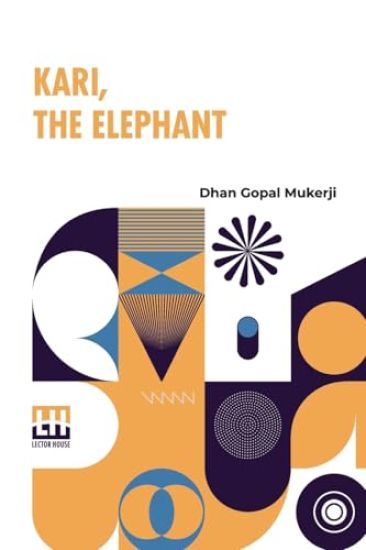
NEW PRINT WITH PROFESSIONAL TYPE-SET IN CONTRAST TO SCANNED PRINTS OFFERED BY OTHERS Kari, The Elephant This book is a result of an effort made by us towards making a contribution to the preservation and repair of original classic literature. In an attempt to preserve, improve and recreate the original content, we have worked towards: 1. Type-setting & Reformatting: The complete work has been re-designed via professional layout, formatting and type-setting tools to re-create the same edition with rich typography, graphics, high quality images, and table elements, giving our readers the feel of holding a fresh and newly reprinted and/or revised edition, as opposed to other scanned & printed (Optical Character Recognition - OCR) reproductions. 2. Correction of imperfections: As the work was re-created from the scratch, therefore, it was vetted to rectify certain conventional norms with regard to typographical mistakes, hyphenations, punctuations, blurred images, missing content/pages, and/or other related subject matters, upon our consideration. Every attempt was made to rectify the imperfections related to omitted constructs in the original edition via other references. However, a few of such imperfections which could not be rectified due to intentional\unintentional omission of content in the original edition, were inherited and preserved from the original work to maintain the authenticity and construct, relevant to the work.
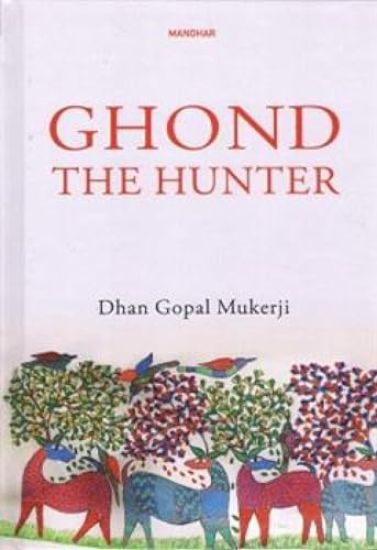
Ghond the Hunter is based on the story of a 15-year-old boy Ghond and his training as a hunter, the festivals, and customs in which he participates, and his keen observation of wildlife. The book covers mannerisms, customs, themes associated with the countryside, festivals, flora, and fauna (especially wild animals), and the issue of rite of passage.
Etsitkö jännitystä, uusia näkökulmia tai rentouttavaa lukuelämystä? Tutustu kirjakategorioihimme ja löydä seuraava suosikkikirjasi.
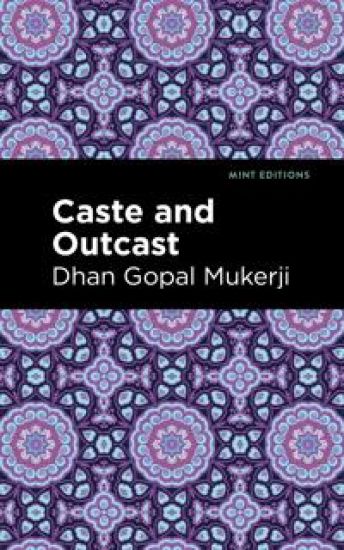
Caste and Outcast (1923) is an autobiography by Dhan Gopal Mukerji. Published the year after Mukerji moved from San Francisco to New York City, Caste and Outcast is a moving autobiographical narrative from the first Indian writer to gain a popular audience in the United States. Although he is more widely recognized for such children’s novels as Gay Neck: The Story of a Pigeon (1927), which won the 1928 Newbery Medal, and Kari the Elephant (1922), Mukerji was also a gifted poet and memoirist whose experiences in India, Japan, and the United States are essential to his unique perspective on twentieth century life. “As I look into the past and try to recover my earliest impression, I remember that the most vivid experience of my childhood was the terrific power of faces. From the day consciousness dawned upon me, I saw faces, faces everywhere, and I always noticed the eyes. It was as if the whole Hindu race lived in its eyes.” Raised in a prominent Brahmin family, Dhan Gopal Mukerji enjoyed immense privileges in his native India and came to trust in the effectiveness and fairness of the country’s caste system. As a young man, however, no longer enthralled with the ascetic lifestyle explored in his youth, Mukerji devoted himself to nationalist politics and eventually left India for Japan. Unsatisfied with life as an engineering student, he emigrated once more to the United States, where he moved in anarchist and bohemian circles while embarking on a career as a popular poet and children’s author. Although he never returned to his native country, Mukerji left an inspiring legacy through his literary achievement and unwavering commitment to Indian independence. With a beautifully designed cover and professionally typeset manuscript, this edition of Dhan Gopal Mukerji’s Caste and Outcast is a classic of Indian American literature reimagined for modern readers.
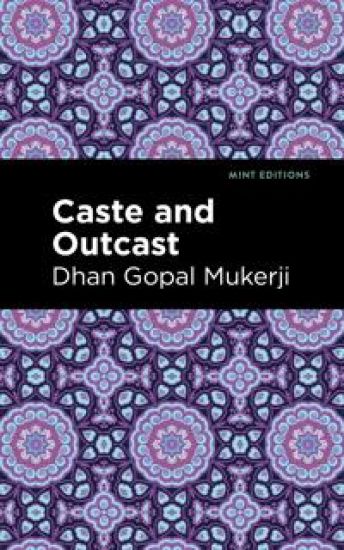
Caste and Outcast (1923) is an autobiography by Dhan Gopal Mukerji. Published the year after Mukerji moved from San Francisco to New York City, Caste and Outcast is a moving autobiographical narrative from the first Indian writer to gain a popular audience in the United States. Although he is more widely recognized for such children’s novels as Gay Neck: The Story of a Pigeon (1927), which won the 1928 Newbery Medal, and Kari the Elephant (1922), Mukerji was also a gifted poet and memoirist whose experiences in India, Japan, and the United States are essential to his unique perspective on twentieth century life. “As I look into the past and try to recover my earliest impression, I remember that the most vivid experience of my childhood was the terrific power of faces. From the day consciousness dawned upon me, I saw faces, faces everywhere, and I always noticed the eyes. It was as if the whole Hindu race lived in its eyes.” Raised in a prominent Brahmin family, Dhan Gopal Mukerji enjoyed immense privileges in his native India and came to trust in the effectiveness and fairness of the country’s caste system. As a young man, however, no longer enthralled with the ascetic lifestyle explored in his youth, Mukerji devoted himself to nationalist politics and eventually left India for Japan. Unsatisfied with life as an engineering student, he emigrated once more to the United States, where he moved in anarchist and bohemian circles while embarking on a career as a popular poet and children’s author. Although he never returned to his native country, Mukerji left an inspiring legacy through his literary achievement and unwavering commitment to Indian independence. With a beautifully designed cover and professionally typeset manuscript, this edition of Dhan Gopal Mukerji’s Caste and Outcast is a classic of Indian American literature reimagined for modern readers.
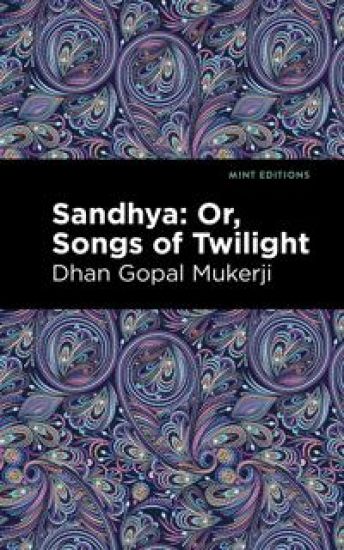
Sandhya, or Songs of Twilight (1917) is a poetry collection by Dhan Gopal Mukerji. Published while Mukerji was a young student in California, Sandhya, or Songs of Twilight is the second collection of poems from the first Indian writer to gain a popular audience in the United States. Lyrical and romantic, Mukerji’s poems capture his commitment to beauty while maintaining his sense of isolation and exile as a young man living far from home. In “Symbolism,” the collection’s opening poem, Mukerji is a poet in search of a song: “Tongueless the bell! / Lute without a song! / It is not night / It is God’s dawn, / Silence its unending song.” Desperate for the beauty and truth of the world outside “pain’s window,” he finds “Faith’s candle lit,” lighting “Eternity’s scroll” for the soul to read at last. Lyrically gifted and profoundly mysterious, Mukerji presents his creative process as a struggle with human emotions. Later, he grounds his feeling in the country he left behind: “O, frail, faint call which I seek to echo! / O, breath of love laden with the aroma of my soul! / Why seek I ever without, O guest at my door?” In “After a Bengali Song,” he provides a powerful image of isolation and longing from a heart that remains “without” for as long as his exile continues. Although he never returned to his native country, Mukerji left an inspiring legacy through his literary achievement and unwavering commitment to Indian independence. With a beautifully designed cover and professionally typeset manuscript, this edition of Dhan Gopal Mukerji’s Sandhya, or Songs of Twilight is a classic of Indian American literature reimagined for modern readers.