
Kirjailija
Diana Darke
Kirjat ja teokset yhdessä paikassa: 16 kirjaa, julkaisuja vuosilta 2010–2027, suosituimpiin kuuluu My House in Damascus. Vertaile teosten hintoja ja tarkista saatavuus suomalaisista kirjakaupoista.
16 kirjaa
Kirjojen julkaisuvuodet: 2010–2027.
Who really built Europe’s finest Romanesque monuments? Clergymen presiding over holy sites are credited throughout history, while highly skilled creators remain anonymous. But the buildings speak for themselves. This groundbreaking book explores the evidence embedded in medieval monasteries, churches and castles, from Mont Saint-Michel and the Leaning Tower of Pisa to Durham Cathedral and the Basilica of Santiago de Compostela. Tracing the origins of key design innovations from this pre-Gothic period—acknowledged as the essential foundation of all future European construction styles—Diana Darke sheds startling new light on the masons, carpenters and sculptors behind these masterpieces. At a time when Christendom lacked such expertise, Muslim craftsmen had advanced understanding of geometry and complex ornamentation. They dominated high-end construction in Islamic Spain, Sicily and North Africa, spreading knowledge and techniques across Western Europe. Challenging Euro-centric assumptions, Darke uncovers the profound influence of the Islamic world in ‘Christian’ Europe, and argues that ‘Romanesque’ architecture, a nineteenth-century art historians’ fiction, should be recognised for what it truly is: Islamesque.
'Exquisitely written and lavishly illustrated, this delightful book brings five centuries of Ottoman culture to life. Diana Darke constantly amazes the reader with fascinating facts and points of relevance between the Ottoman past and the present day' - Eugene Rogan, author of The Fall of the Ottomans At its height, the Ottoman Empire spread from Yemen to the gates of Vienna. Western perceptions of the Ottomans have often been distorted by Orientalism, characterizing their rule as oppressive and destructive, while seeing their culture as exotic and incomprehensible. Based on a lifetime’s experience of living and working across its former provinces, Diana Darke offers a unique overview of the Ottoman Empire’s cultural legacy one century after its dissolution. She uncovers a vibrant, sophisticated civilization that embraced both arts and sciences, whilst welcoming refugees from all ethnicities and religions, notably Christians and Jews. Darke celebrates the culture of the Ottoman Empire, from its aesthetics and architecture to its scientific and medical innovations, including the first vaccinations. She investigates the crucial role that commerce and trade played in supporting the empire and increasing its cultural reach, highlighting the significant role of women, as well as the diverse religious values, literary and musical traditions that proliferated through the empire. The Ottomans: A Cultural Legacy presents the magnificent achievements of an empire that lasted over 600 years and encompassed Asian, European and African cultures, shedding new light on its complex legacy.
Stealing from the Saracens
Diana Darke
C HURST CO PUBLISHERS LTD
2024
nidottu
Halvin toimitettuna 32,00 €
Against a backdrop of Islamophobia, Europeans are increasingly airbrushing from history their cultural debt to the Muslim world. But this legacy lives on in some of Europe's most recognisable buildings, from Notre-Dame Cathedral to the Houses of Parliament. This beautifully illustrated book reveals the Arab and Islamic roots of Europe's architectural heritage. Diana Darke traces ideas and styles from vibrant Middle Eastern centres like Damascus, Baghdad and Cairo, via Muslim Spain, Venice and Sicily into Europe. She describes how medieval crusaders, pilgrims and merchants encountered Arab Muslim culture on their way to the Holy Land; and explores more recent artistic interaction between Ottoman and Western cultures, including Sir Christopher Wren's inspirations in the 'Saracen' style of Gothic architecture. Recovering this long yet overlooked history of architectural 'borrowing', Stealing from the Saracens is a rich tale of cultural exchange, shedding new light on Europe's greatest landmarks. A New Statesman Book of the Year 2020, chosen by William Dalrymple. A BBC History Magazine Best Book of 2020.
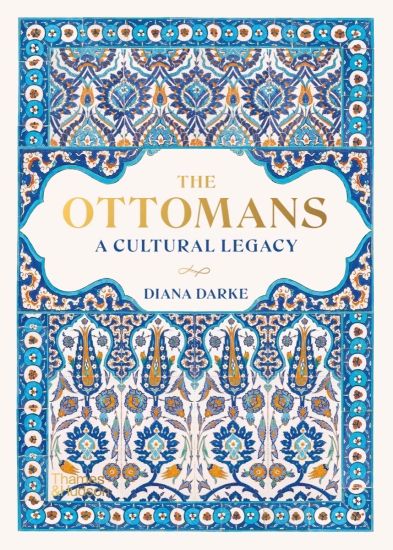
'Exquisitely written and lavishly illustrated, this delightful book brings five centuries of Ottoman culture to life. Diana Darke constantly amazes the reader with fascinating facts and points of relevance between the Ottoman past and the present day' - Eugene Rogan, author of The Fall of the Ottomans A richly illustrated guide to the Ottoman Empire, 100 years since its dissolution, unravelling its complex cultural legacy and profound impact on Europe, North Africa and the Middle East. At its height, the Ottoman Empire spread from Yemen to the gates of Vienna. Western perceptions of the Ottomans have often been distorted by Orientalism, characterizing their rule as oppressive and destructive, while seeing their culture as exotic and incomprehensible. Based on a lifetime’s experience of living and working across its former provinces, Diana Darke offers a unique overview of the Ottoman Empire’s cultural legacy one century after its dissolution. She uncovers a vibrant, sophisticated civilization that embraced both arts and sciences, whilst welcoming refugees from all ethnicities and religions, notably Christians and Jews. Darke celebrates the culture of the Ottoman Empire, from its aesthetics and architecture to its scientific and medical innovations, including the first vaccinations. She investigates the crucial role that commerce and trade played in supporting the empire and increasing its cultural reach, highlighting the significant role of women, as well as the diverse religious values, literary and musical traditions that proliferated through the empire. Beautifully illustrated with manuscripts, miniatures, paintings and photographs, The Ottomans: A Cultural Legacy presents the magnificent achievements of an empire that lasted over 600 years and encompassed Asian, European and African cultures, shedding new light on its complex legacy.
North Cyprus
Diana Darke; Murray Stewart
Bradt Travel Guides
2022
nidottu
Halvin toimitettuna 24,70 €
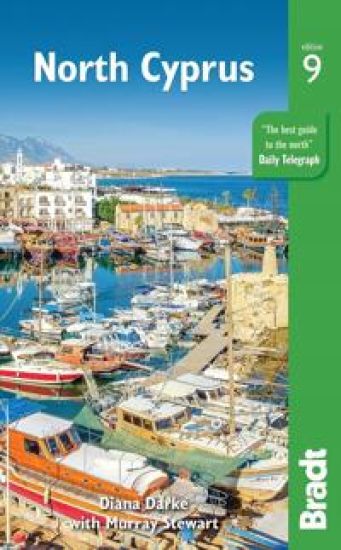
Bradt's North Cyprus remains the most authoritative guide available to the fascinating and beautiful northern region of the eastern Mediterranean island of Cyprus. Thoroughly updated by expert authors and now into its ninth edition, it offers everything you need for a successful trip, from pre-departure and background information including when to visit, red tape, safety, history, culture and natural history, to accommodation, restaurants, shopping, festivals, transport and money. The region is broken down into four areas, each of which is covered in detail, including Girne (Kyrenia), Lefkos¸a (Nicosia), Gazimag?usa (Famagusta) and the Karpas Peninsula, with its population of wild donkeys. Where to go and what to see are detailed for each area and attractions such as Crusader castles, Buyykonuk's markets and eco-festivals, beaches and turtle watching are all covered. There are also contributions from local specialists on flora and fauna. Steeped in history, soaked in sunshine, North Cyprus offers a great deal both to those who want to delve deep into the past or to those keen to pull up a sunbed and simply relax. Girne is still the most attractive harbour on the whole island, while Lefkosa's old quarter exudes the ambience of an old Middle Eastern trading town. Gazimag?usa is fringed with some excellent beaches, while also being close to North Cyprus's most revered historic site, Salamis. With Bradt's North Cyprus, hike up to Buffavento, stroll through the cloisters of Bellapais Abbey or go barefoot on the golden sands of the Karpas Peninsula.
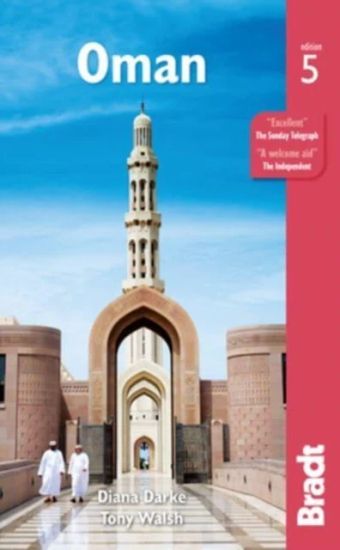
This new, fully updated fifth edition of Bradt's Oman offers all the information needed to plan a visit to this rapidly developing Arabian nation, written by experts Tony Walsh, a veteran of Oman's travel industry, and Diana Darke, who originally worked for the Omani government in 1980 and has remained acquainted with the country ever since. All parts of the country are covered, including areas not featured by other guides, and Arabic script for town names is detailed to aid on-the-ground navigation and exploration. New for this edition are coverage of the restored medieval walled town of Manah, with its labyrinth of passages and mud-brick houses, developments at the UNESCO site of Ubar at Ash Shisr, and in Muscat the fort at Mutrah, with its panoramic views over the Corniche. Also covered are the seasonal cloudforest in Dhofar in the south, the mountains of the north that leap from the plains to over 3,000 metres, the two major international airports in Muscat and Salalah, transport and road developments making access from Dubai quicker and improving the journey into the Wihibah Sands, and new hotels and restaurants, from luxury to simple. For outdoor enthusiasts, adventure tourism, extreme sports (including caving and the via ferrata climbing route) and catamaran sailing are all covered, as well as birdwatching. Whether trekking little used mountain paths or visiting small villages wrapped around date oases, browsing the local market or enjoying the weekend camel and horse races, Bradt's Oman is an indispensable companion. From the famed Rub Al Khali, the world's largest sand desert, to the northern coastal town of Qurayyat, it offers everything you need for a successful trip.
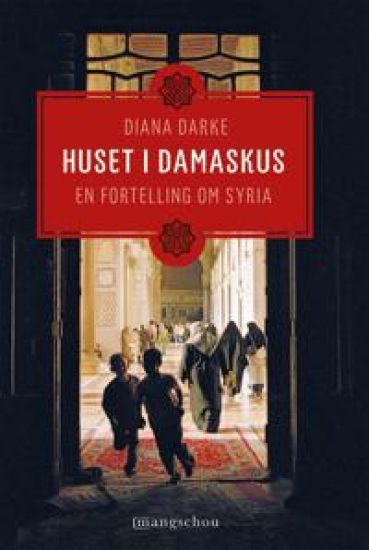
Kort tid før det syriske opprøret starter, kjøper britiske Diana Darke et verneverdig hus i gamlebyen i Damaskus. Gjennom huskjøpet får hun innsikt i hvordan regimet og det syriske byråkratiet fungerer, og hun blir fort en del av byens dagligliv. Når konflikten blusser opp og millioner av mennesker tvinges på flukt, forlater Diana landet. Hun tilbyr venner å bruke huset som tilfluktssted og gjennom dem følger hun krisen fra utsiden. Men da krigsprofitører angir henne til det hemmelige politiet og overtar huset hennes, reiser hun inn i Syria igjen for å kreve huset tilbake. Midtøstenspesialist Diana Darke viser leseren hva som ligger bak det forenklede nyhetsbildet. Hun gir et verdifullt innblikk i landets rike kultur og historie, og kaster lys over Syria-krisens kompleksitet. Men selv når konflikten herjer rundt henne, glemmer hun aldri sjarmen ved å bo i en av verdens eldste byer, og de nye vennskapsbåndene hun har knyttet. Huset i Damaskus er en medrivende og begivenhetsrik fortelling som gir et unikt, personlig og velinformert blikk på Syria, både før og etter konfliktens utbrudd. Diana Darke er utdannet i arabisk ved Oxford University, og har i løpet av de siste 35 årene etablert seg som en av Storbritannias ledende eksperter på Midtøsten. I tillegg til å være forfatter for flere bøker om Midtøsten har hun skrevet for bbc, The Sunday Times, The Guardian, The Daily Telegraph og The Financial Times. Darke har også arbeidet som oversetter og konsulent i flere arabisktalende land, men har helt siden første gang hun besøkte Syria i 1978 hatt en særlig interesse for landet. Gjennom eierskapet til huset i Damaskus er hun stadig sterkt bundet til landet, og engasjerer seg aktivt for å hjelpe Syrias befolkning på vei mot en bedre fremtid.
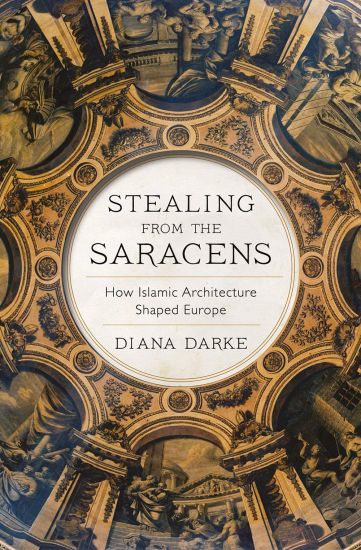
Against a backdrop of Islamophobia, Europeans are increasingly airbrushing from history their cultural debt to the Muslim world. But this legacy lives on in some of Europe’s most recognisable buildings, from Notre-Dame Cathedral to the Houses of Parliament. This beautifully illustrated book reveals the Arab and Islamic roots of Europe’s architectural heritage. Diana Darke traces ideas and styles from vibrant Middle Eastern centres like Damascus, Baghdad and Cairo, via Muslim Spain, Venice and Sicily into Europe. She describes how medieval crusaders, pilgrims and merchants encountered Arab Muslim culture on their way to the Holy Land; and explores more recent artistic interaction between Ottoman and Western cultures, including Sir Christopher Wren’s inspirations in the ‘Saracen’ style of Gothic architecture. Recovering this long yet overlooked history of architectural ‘borrowing’, Stealing from the Saracens is a rich tale of cultural exchange, shedding new light on Europe’s greatest landmarks. A New Statesman Book of the Year 2020, chosen by William Dalrymple. A BBC History Magazine Best Book of 2020.
Kort tid før det syriske opprøret starter, kjøper britiske Diana Darke et verneverdig hus i gamlebyen i Damaskus. Gjennom huskjøpet får hun innsikt i hvordan regimet og det syriske byråkratiet fungerer, og hun blir fort en del av byens dagligliv. Når konflikten blusser opp og millioner av mennesker tvinges på flukt, forlater Diana landet. Hun tilbyr venner å bruke huset som tilfluktssted og gjennom dem følger hun krisen fra utsiden. Men da krigsprofitører angir henne til det hemmelige politiet og overtar huset hennes, reiser hun inn i Syria igjen for å kreve huset tilbake. Midtøstenspesialist Diana Darke viser leseren hva som ligger bak det forenklede nyhetsbildet. Hun gir et verdifullt innblikk i landets rike kultur og historie, og kaster lys over Syria-krisens kompleksitet. Men selv når konflikten herjer rundt henne, glemmer hun aldri sjarmen ved å bo i en av verdens eldste byer, og de nye vennskapsbåndene hun har knyttet. Huset i Damaskus er en medrivende og begivenhetsrik fortelling som gir et unikt, personlig og velinformert blikk på Syria, både før og etter konfliktens utbrudd. Diana Darke er utdannet i arabisk ved Oxford University, og har i løpet av de siste 35 årene etablert seg som en av Storbritannias ledende eksperter på Midtøsten. I tillegg til å være forfatter for flere bøker om Midtøsten har hun skrevet for bbc, The Sunday Times, The Guardian, The Daily Telegraph og The Financial Times. Darke har også arbeidet som oversetter og konsulent i flere arabisktalende land, men har helt siden første gang hun besøkte Syria i 1978 hatt en særlig interesse for landet. Gjennom eierskapet til huset i Damaskus er hun stadig sterkt bundet til landet, og engasjerer seg aktivt for å hjelpe Syrias befolkning på vei mot en bedre fremtid.
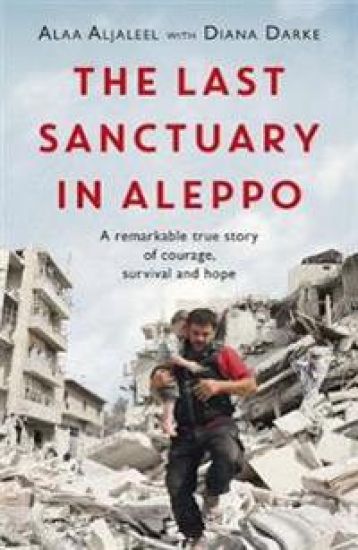
From Diana Darke, the acclaimed author of My House in Damascus and The Merchant of Syria, comes the extraordinary true story of a heroic ambulance driver who created a cat sanctuary in the midst of war-torn Aleppo." I'll stay with them no matter what happens. Someone who has mercy in his heart for humans has mercy for every living thing." When war came to Alaa Aljaleel's hometown, he made a remarkable decision to stay behind, caring for the people and animals caught in the crossfire. While thousands were forced to flee, Alaa spent his days carrying out perilous rescue missions in his makeshift ambulance and building a sanctuary for the city's abandoned cats. In turn, he created something unique: a place of tranquility for children living through the bombardment and a glimmer of hope for those watching in horror around the world. As word of Alaa's courage and dedication spread, the kindness of strangers enabled him to feed thousands of local families and save hundreds of animals. But with the city under siege, time was running out for the last sanctuary in Aleppo and Alaa was about to face his biggest challenge yet... This is the first memoir about the war in Syria from a civilian who remains there to this day, providing both a shocking insider account as well as an inspiring tale about how one person's actions can make a difference against all odds.
Barely literate, and supporting his mother and sisters from the age of ten, Abu Chaker built up a business empire--despite twice losing everything he had. Diana Darke follows his tumultuous journey, from instability in Syria and civil war in Lebanon, to his arrival in England in the 1970s, where he rescued a failing Yorkshire textile mill, Hield Bros, and transformed it into a global brand. The Merchant of Syria tells two parallel stories: the life of a cloth merchant and his resilience, and the rich history of a nation built on trade. Over millennia Syria has seen great conflict and turmoil, but like the remarkable story of Abu Chaker, it continues to survive.
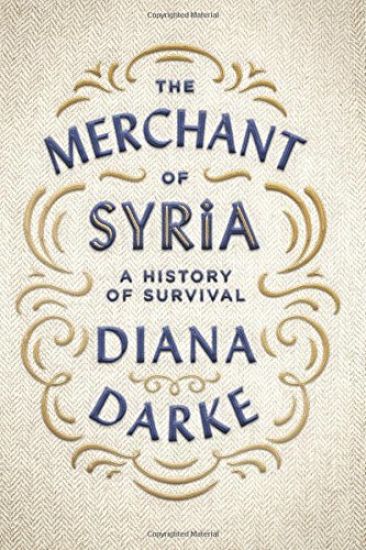
The Merchant of Syria tells the life of Abu Chaker, a cloth merchant from Homs who lived from 1921 to 2013. Barely literate, he nevertheless built up a commercial empire based on trust, then lost everything twice through political instability and war, before coming to northern England as an economic migrant. The climax of this devout Sunni Muslim’s tumultuous life was to buy and save a Yorkshire wool mill, which still serves as the headquarters of the textile manufacturing company he turned into a global brand. Standing on Little Horton Lane in Bradford, Briggella Mill continues to manufacture the finest quality English cloth. Its looms clatter on. Drawing on interviews conducted in Syria, Lebanon and Britain, Abu Chaker’s story exemplifies many of today’s pressing global issues – poverty, Islamic values (he gave away a great deal to charity, albeit discreetly), religious co-existence, refugees, displacement, multiculturalism, political unrest and terrorism. One strand of the book offers the reader the vital backdrop against which his life was lived, while the other focusses on Abu Chaker himself. Diana Darke’s final chapter weaves these strands together, seeking answers to a vital question: how, after seven years of war, in which half of its population has been displaced and the currency lost ninety per cent of its value, can Syria survive?
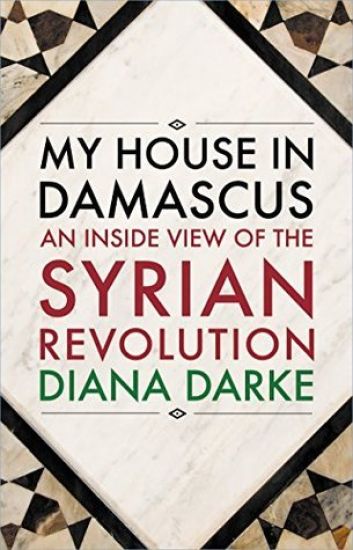
How did Syria's revolution lose its way? Drawing on the author's firsthand knowledge of the country's complex religious and ethnic communities, this book illuminates the darker recesses of Syria's history, politics, and society. With the unique perspective of an Arabic-speaking British woman, Diana Darke became deeply embedded in all levels of Syrian society when she bought and restored a house in a mixed Sunni/Shi'a neighborhood of the walled Old City of Damascus. In September 2012, as fighting intensified and millions were forced to flee their homes, she offered her house as a sanctuary to friends. By following her experiences and struggles with the realities of life on the ground inside Syria, the reader will arrive at a clearer understanding of why the country remains locked in conflict and why most ordinary Syrians are caught between a repressive government and a splintering opposition.
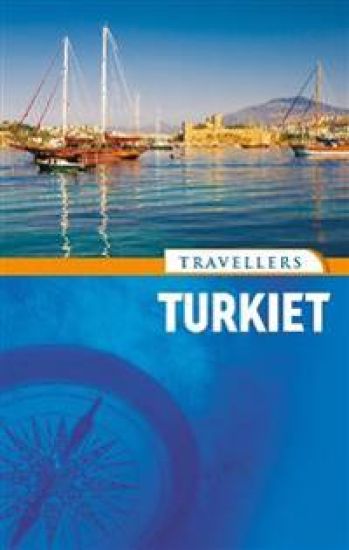
TRAVELLERS-reseguiderna är särskilt lämpliga för dem som reser på egen hand, för kulturintresserade, reseledare och guider samt för alla som arbetar internationellt. Varje Travellersguide är i sin helhet tryckt i fyrfärg och innehåller 200–250 bilder.
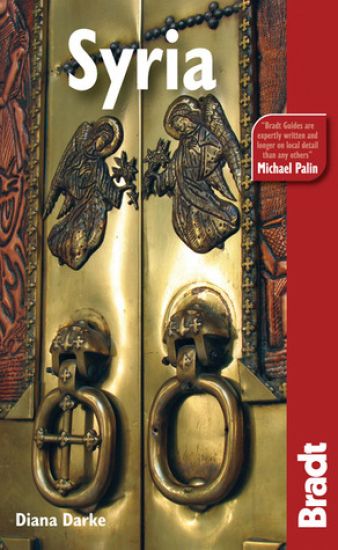
This second edition of Bradt's Syria is the clear market frontrunner, offering more detailed first-hand information on sites, cultural, historical and social background, accommodation and restaurants than any other guidebook. In addition to the country's impressive historical sites, such as the Roman caravan city of Palmyra and the Crusader castle of Crac des Chevaliers, it incorporates walking and trekking areas, wildlife and other environmental issues, while amusing snippets from literature, local anecdotes and sayings help to stimulate a genuine interest and understanding of Syria's people and the land in which they live.