Kirjojen hintavertailu – 12 903 724 kirjaa ja 27 kauppaa
Kirjailija
Diana Harris
Kirjat ja teokset yhdessä paikassa: 5 kirjaa, julkaisuja vuosilta 2005–2022, suosituimpiin kuuluu Leadership in Early Childhood. Vertaile teosten hintoja ja tarkista saatavuus suomalaisista kirjakaupoista.
Leadership can be a challenging and complex area of practice, but this textbook will be your essential guide, teaching you how to master this important skill and find your professional voice. The book considers the challenges of leadership in the early years, exploring both the theoretical aspects, and the skills and tools needed to support and develop leadership and mentoring in practice. You will be encouraged to critically reflect on practice in a global context, looking at vignettes, case studies and reflections from international settings, which will equip you with valuable transferable leadership skills, applicable to any situation in practice.
Leadership can be a challenging and complex area of practice, but this textbook will be your essential guide, teaching you how to master this important skill and find your professional voice. The book considers the challenges of leadership in the early years, exploring both the theoretical aspects, and the skills and tools needed to support and develop leadership and mentoring in practice. You will be encouraged to critically reflect on practice in a global context, looking at vignettes, case studies and reflections from international settings, which will equip you with valuable transferable leadership skills, applicable to any situation in practice.
This text provides a comprehensive overview of the sociology of aging, and remains the only book of its kind to approach aging from a purely sociological perspective. This new edition is completely updated throughout, with new chapters that discuss the now immanent retirement of the first of the baby boomers, the new form housing arrangements known as semi-independent or assisted living, elder abuse in nursing homes (and quality issues in nursing homes generally), and the long-term problems facing Medicare and Social Security.
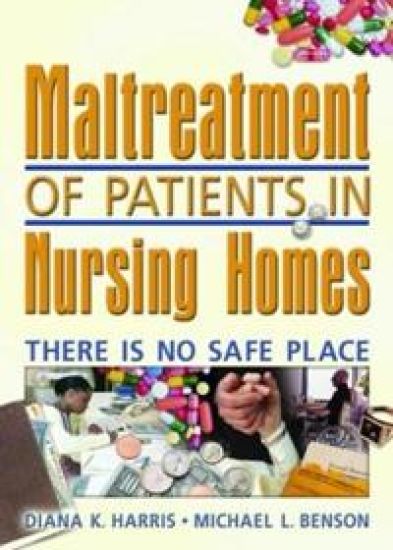
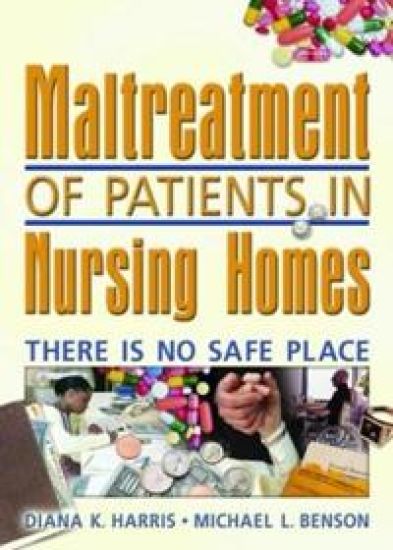
Abuse, although often not detected or reported, existed in every facility we surveyed. It is a serious problem. Old, weak, and often cognitively impaired, nursing home patients can be easy targets for physical, psychological, material, and financial mistreatment at the hands of those entrusted with their care, safety, and well-being. Maltreatment of Patients in Nursing Homes: There Is No Safe Place examines the dark side of nursing homes, where not every employee has the commitment of Mother Theresa. This groundbreaking book applies criminological theory to help develop practical methods of controlling abuse and presents the results of the first and only nationwide study on the theft of patients’ belongings, a form of abuse too often ignored by the nursing home industry. Maltreatment of Patients in Nursing Homes surveys employees, administrators, and family members of patients in 47 nursing homes throughout the United States. Their responses provide invaluable insights on a wide range of topics, including the social and psychological factors that cause different types of abuse, characteristics of nursing home patients and employees, the bureaucracy of nursing homes, victimization rates, workforce issues of nursing home aides, and federal regulations for nursing homes. The information gained from the surveys forms the basis for detailed recommendations for creating a safer environment and reducing all forms of abuse, including theft-prevention training programs, background checks and improved screening of potential employees, education and advocacy for current staff, and the reform of federal regulations. Maltreatment of Patients in Nursing Homes examines: types of physical abuse (restraints, sexual abuse, neglect) the who, what, and why of nursing home theft types of financial abuse (trust accounts, bank accounts, improper charges for services and drugs, identity theft) types of psychological abuse (abandonment, segregation, childlike treatment, verbal abuse) effects of psychological abuse (depression, learned helplessness, psychiatric disorders) reasons for abuse by employees (staff turnover, job burnout, job dissatisfaction, caregiver stress)One of the few books to deal with abuse of the elderly outside a domestic setting, Maltreatment of Patients in Nursing Homes: There Is No Safe Place interprets and analyzes abuse to provide new ways of thinking about this growing problem and new methods of preventing it from growing any more widespread.
Abuse, although often not detected or reported, existed in every facility we surveyed. It is a serious problem. Old, weak, and often cognitively impaired, nursing home patients can be easy targets for physical, psychological, material, and financial mistreatment at the hands of those entrusted with their care, safety, and well-being. Maltreatment of Patients in Nursing Homes: There Is No Safe Place examines the dark side of nursing homes, where not every employee has the commitment of Mother Theresa. This groundbreaking book applies criminological theory to help develop practical methods of controlling abuse and presents the results of the first and only nationwide study on the theft of patients’ belongings, a form of abuse too often ignored by the nursing home industry. Maltreatment of Patients in Nursing Homes surveys employees, administrators, and family members of patients in 47 nursing homes throughout the United States. Their responses provide invaluable insights on a wide range of topics, including the social and psychological factors that cause different types of abuse, characteristics of nursing home patients and employees, the bureaucracy of nursing homes, victimization rates, workforce issues of nursing home aides, and federal regulations for nursing homes. The information gained from the surveys forms the basis for detailed recommendations for creating a safer environment and reducing all forms of abuse, including theft-prevention training programs, background checks and improved screening of potential employees, education and advocacy for current staff, and the reform of federal regulations. Maltreatment of Patients in Nursing Homes examines: types of physical abuse (restraints, sexual abuse, neglect) the who, what, and why of nursing home theft types of financial abuse (trust accounts, bank accounts, improper charges for services and drugs, identity theft) types of psychological abuse (abandonment, segregation, childlike treatment, verbal abuse) effects of psychological abuse (depression, learned helplessness, psychiatric disorders) reasons for abuse by employees (staff turnover, job burnout, job dissatisfaction, caregiver stress)One of the few books to deal with abuse of the elderly outside a domestic setting, Maltreatment of Patients in Nursing Homes: There Is No Safe Place interprets and analyzes abuse to provide new ways of thinking about this growing problem and new methods of preventing it from growing any more widespread.