Kirjojen hintavertailu – 12 903 742 kirjaa ja 27 kauppaa

Kirjailija

Diane P. Koenker

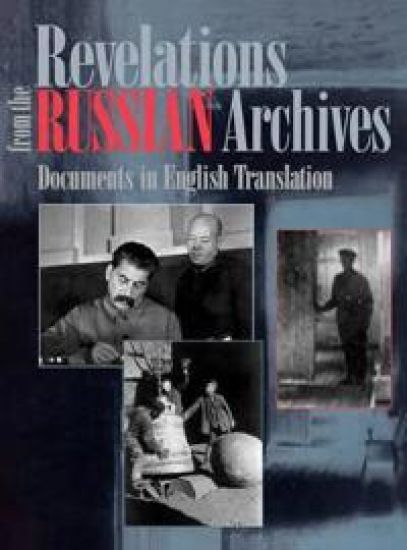
Kirjat ja teokset yhdessä paikassa: 8 kirjaa, julkaisuja vuosilta 2005–2017, suosituimpiin kuuluu Revelations from the Russian Archives. Vertaile teosten hintoja ja tarkista saatavuus suomalaisista kirjakaupoista.

8 kirjaa

Kirjojen julkaisuvuodet: 2005–2017.

Club Red

Club Red

Diane P. Koenker

Cornell University Press
2017
pokkari
The Bolsheviks took power in Russia 1917 armed with an ideology centered on the power of the worker. From the beginning, however, Soviet leaders also realized the need for rest and leisure within the new proletarian society and over subsequent decades struggled to reconcile the concept of leisure with the doctrine of communism, addressing such fundamental concerns as what the purpose of leisure should be in a workers' state and how socialist vacations should differ from those enjoyed by the capitalist bourgeoisie. In Club Red, Diane P. Koenker offers a sweeping and insightful history of Soviet vacationing and tourism from the Revolution through perestroika. She shows that from the outset, the regime insisted that the value of tourism and vacation time was strictly utilitarian. Throughout the 1920s and '30s, the emphasis was on providing the workers access to the "repair shops" of the nation's sanatoria or to the invigorating journeys by foot, bicycle, skis, or horseback that were the stuff of "proletarian tourism." Both the sedentary vacation and tourism were part of the regime's effort to transform the poor and often illiterate citizenry into new Soviet men and women. Koenker emphasizes a distinctive blend of purpose and pleasure in Soviet vacation policy and practice and explores a fundamental paradox: a state committed to the idea of the collective found itself promoting a vacation policy that increasingly encouraged and then had to respond to individual autonomy and selfhood. The history of Soviet tourism and vacations tells a story of freely chosen mobility that was enabled and subsidized by the state. While Koenker focuses primarily on Soviet domestic vacation travel, she also notes the decisive impact of travel abroad (mostly to other socialist countries), which shaped new worldviews, created new consumer desires, and transformed Soviet vacation practices.
Moscow Workers and the 1917 Revolution

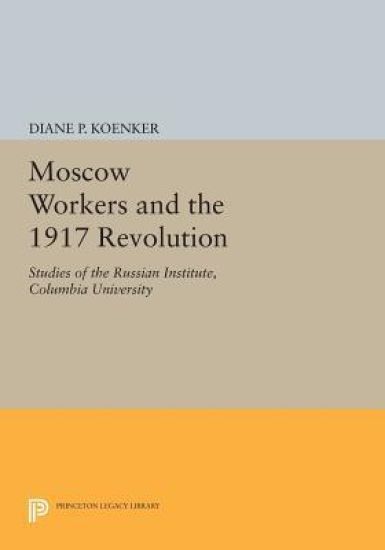
Moscow Workers and the 1917 Revolution

Diane P. Koenker

PRINCETON UNIVERSITY PRESS
2016
sidottu
Whereas most Soviet and American scholars of the Russian Revolution have emphasized the great leaders and the great events of 1917, Diane Koenker reverses this trend in a study of the Russian working class. Originally published in 1981. The Princeton Legacy Library uses the latest print-on-demand technology to again make available previously out-of-print books from the distinguished backlist of Princeton University Press. These editions preserve the original texts of these important books while presenting them in durable paperback and hardcover editions. The goal of the Princeton Legacy Library is to vastly increase access to the rich scholarly heritage found in the thousands of books published by Princeton University Press since its founding in 1905.
Strikes and Revolution in Russia, 1917

Strikes and Revolution in Russia, 1917

Diane P. Koenker; William G. Rosenberg

Princeton University Press
2016
sidottu
More than seventy years since the Bolsheviks came to power, there is still no comprehensive study of workers' activism in history's first successful workers' revolution. Strikes and Revolution in Russia, 1917 is the first effort in any language to explore this issue in both quantitative and qualitative terms and to relate strikes to the broader processes of Russia's revolutionary transformation. Diane Koenker and William Rosenberg not only provide a new basis for understanding essential elements of Russia's social and political history in this critical period but also make a strong contribution to the literature on European labor movements. Using statistical techniques, but without letting methodology dominate their discussion, the authors examine such major problems as the mobilization of labor and management, factory relations, perceptions, the formation of social identities, and the relationship between labor protest and politics in 1917. They challenge common assumptions by showing that much strike activity in 1917 can be understood as routine, but they are also able to demonstrate how the character of strikes began to change and why. Originally published in 1990. The Princeton Legacy Library uses the latest print-on-demand technology to again make available previously out-of-print books from the distinguished backlist of Princeton University Press. These editions preserve the original texts of these important books while presenting them in durable paperback and hardcover editions. The goal of the Princeton Legacy Library is to vastly increase access to the rich scholarly heritage found in the thousands of books published by Princeton University Press since its founding in 1905.
Strikes and Revolution in Russia, 1917

Strikes and Revolution in Russia, 1917

Diane P. Koenker; William G. Rosenberg

Princeton University Press
2014
pokkari
More than seventy years since the Bolsheviks came to power, there is still no comprehensive study of workers' activism in history's first successful workers' revolution. Strikes and Revolution in Russia, 1917 is the first effort in any language to explore this issue in both quantitative and qualitative terms and to relate strikes to the broader processes of Russia's revolutionary transformation. Diane Koenker and William Rosenberg not only provide a new basis for understanding essential elements of Russia's social and political history in this critical period but also make a strong contribution to the literature on European labor movements. Using statistical techniques, but without letting methodology dominate their discussion, the authors examine such major problems as the mobilization of labor and management, factory relations, perceptions, the formation of social identities, and the relationship between labor protest and politics in 1917. They challenge common assumptions by showing that much strike activity in 1917 can be understood as routine, but they are also able to demonstrate how the character of strikes began to change and why. Originally published in 1990. The Princeton Legacy Library uses the latest print-on-demand technology to again make available previously out-of-print books from the distinguished backlist of Princeton University Press. These editions preserve the original texts of these important books while presenting them in durable paperback and hardcover editions. The goal of the Princeton Legacy Library is to vastly increase access to the rich scholarly heritage found in the thousands of books published by Princeton University Press since its founding in 1905.
Moscow Workers and the 1917 Revolution

Moscow Workers and the 1917 Revolution

Diane P. Koenker

Princeton University Press
2014
pokkari
Whereas most Soviet and American scholars of the Russian Revolution have emphasized the great leaders and the great events of 1917, Diane Koenker reverses this trend in a study of the Russian working class. Originally published in 1981. The Princeton Legacy Library uses the latest print-on-demand technology to again make available previously out-of-print books from the distinguished backlist of Princeton University Press. These editions preserve the original texts of these important books while presenting them in durable paperback and hardcover editions. The goal of the Princeton Legacy Library is to vastly increase access to the rich scholarly heritage found in the thousands of books published by Princeton University Press since its founding in 1905.
Club Red

Club Red

Diane P. Koenker

Cornell University Press
2013
sidottu
The Bolsheviks took power in Russia 1917 armed with an ideology centered on the power of the worker. From the beginning, however, Soviet leaders also realized the need for rest and leisure within the new proletarian society and over subsequent decades struggled to reconcile the concept of leisure with the doctrine of communism, addressing such fundamental concerns as what the purpose of leisure should be in a workers' state and how socialist vacations should differ from those enjoyed by the capitalist bourgeoisie. In Club Red, Diane P. Koenker offers a sweeping and insightful history of Soviet vacationing and tourism from the Revolution through perestroika. She shows that from the outset, the regime insisted that the value of tourism and vacation time was strictly utilitarian. Throughout the 1920s and '30s, the emphasis was on providing the workers access to the "repair shops" of the nation's sanatoria or to the invigorating journeys by foot, bicycle, skis, or horseback that were the stuff of "proletarian tourism." Both the sedentary vacation and tourism were part of the regime's effort to transform the poor and often illiterate citizenry into new Soviet men and women. Koenker emphasizes a distinctive blend of purpose and pleasure in Soviet vacation policy and practice and explores a fundamental paradox: a state committed to the idea of the collective found itself promoting a vacation policy that increasingly encouraged and then had to respond to individual autonomy and selfhood. The history of Soviet tourism and vacations tells a story of freely chosen mobility that was enabled and subsidized by the state. While Koenker focuses primarily on Soviet domestic vacation travel, she also notes the decisive impact of travel abroad (mostly to other socialist countries), which shaped new worldviews, created new consumer desires, and transformed Soviet vacation practices.

Republic of Labor

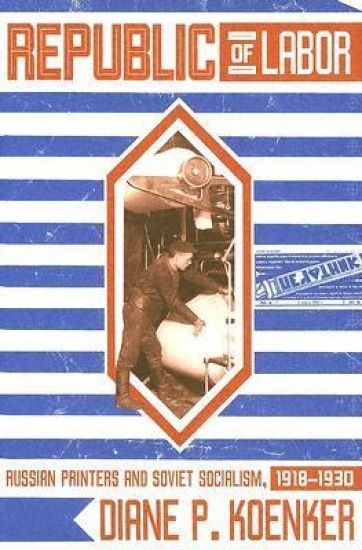
Republic of Labor

Diane P. Koenker

Cornell University Press
2005
sidottu
The long decade from the October Revolution to 1930 was the beginning of a great experiment to create a socialist society. Throughout these years, socialist trade unions attempted to transform the Russian worker into a productive and enthusiastic participant in this new order. How did the workers themselves react to these efforts? To what extent were they and their culture transformed into the ideal forms proclaimed in the official ideology? In Republic of Labor, Diane P. Koenker illuminates the lived experience of Russia's printers, workers who differed from their comrades because of their skill and higher wages, but who shared the same challenges of economic hardship and dangerous conditions. Paying close attention to the links between work, politics, and the everyday, the author focuses on workers' efforts to define their place in socialist society. Gender issues are also emphasized, and here we see the persistence of a masculinist working-class culture counterposed to an official culture promoting gender equality. Through this engaging narrative, Koenker develops a highly original discourse about class in Soviet society that will interest all students of Russian history as well as those readers who wish to reinvigorate class as a historical and sociological tool of analysis.