Kirjojen hintavertailu – 12 903 725 kirjaa ja 27 kauppaa

Kirjailija

Diane Pecorari

Kirjat ja teokset yhdessä paikassa: 8 kirjaa, julkaisuja vuosilta 2008–2025, suosituimpiin kuuluu Teaching to Avoid Plagiarism: How to Promote Good Source Use. Vertaile teosten hintoja ja tarkista saatavuus suomalaisista kirjakaupoista.

8 kirjaa

Kirjojen julkaisuvuodet: 2008–2025.

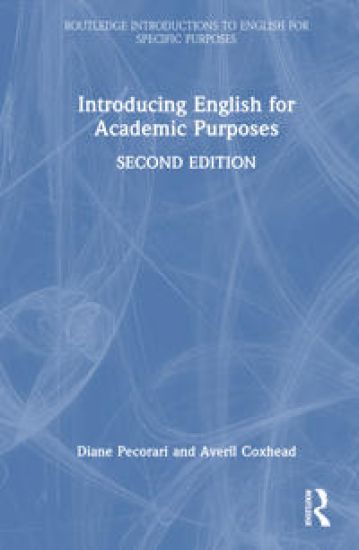
Introducing English for Academic Purposes

Introducing English for Academic Purposes

Diane Pecorari; Averil Coxhead

TAYLOR FRANCIS LTD
2025
sidottu
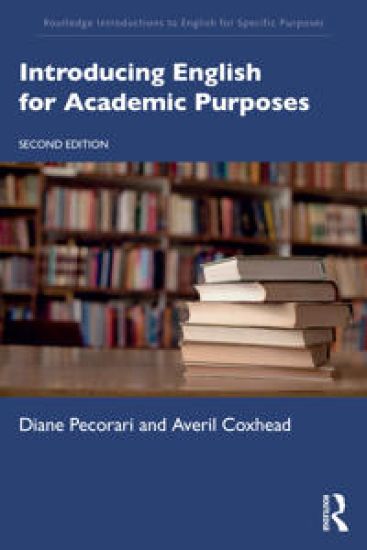
Introducing English for Academic Purposes is an accessible and engaging textbook which presents a wide-ranging introduction to the field, covering the global and institutional position of EAP as well as its manifestations in classrooms and research contexts around the world. The new edition is fully revised and includes expanded and updated discussions on differences across geographical contexts for EAP, academic misconduct and generative artificial intelligence and testing and post-COVID online options. The second edition also offers new and updated activities and a full new chapter on genre and vocabulary. Each chapter provides:• a critical overview introducing readers to theory- and research-informed perspectives;• profiles of practice to guide readers in putting theory to use in real-world contexts;• tasks, reflection exercises and a glossary to help readers consolidate their understanding;• an annotated further reading section with links to online resources to enable readers to extend their knowledge. Covering both theoretical and practical issues, Introducing English for Academic Purposes is essential reading for students of applied linguistics, and pre-service and in-service teachers of EAP.
Introducing English for Academic Purposes

Introducing English for Academic Purposes

Diane Pecorari; Averil Coxhead

TAYLOR FRANCIS LTD
2025
nidottu
Introducing English for Academic Purposes is an accessible and engaging textbook which presents a wide-ranging introduction to the field, covering the global and institutional position of EAP as well as its manifestations in classrooms and research contexts around the world. The new edition is fully revised and includes expanded and updated discussions on differences across geographical contexts for EAP, academic misconduct and generative artificial intelligence and testing and post-COVID online options. The second edition also offers new and updated activities and a full new chapter on genre and vocabulary. Each chapter provides:• a critical overview introducing readers to theory- and research-informed perspectives;• profiles of practice to guide readers in putting theory to use in real-world contexts;• tasks, reflection exercises and a glossary to help readers consolidate their understanding;• an annotated further reading section with links to online resources to enable readers to extend their knowledge. Covering both theoretical and practical issues, Introducing English for Academic Purposes is essential reading for students of applied linguistics, and pre-service and in-service teachers of EAP.
Introducing English for Academic Purposes
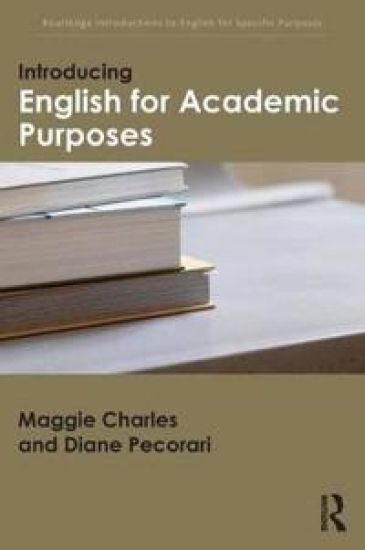
Introducing English for Academic Purposes is an accessible and engaging textbook which presents a wide-ranging introduction to the field, covering the global and institutional position of EAP as well as its manifestations in classrooms and research contexts around the world. Each chapter provides: a critical overview introducing readers to theory- and research-informed perspectives;profiles of practice to guide readers in putting theory to use in real world contexts;tasks, reflection exercises and a glossary to help readers consolidate their understanding;an annotated further reading section with links to online resources to enable readers to extend their knowledge. Covering both theoretical and practical issues, Introducing English for Academic Purposes is essential reading for studentsof applied linguistics, and pre-service and in-service teachers of EAP.
Introducing English for Academic Purposes
Introducing English for Academic Purposes is an accessible and engaging textbook which presents a wide-ranging introduction to the field, covering the global and institutional position of EAP as well as its manifestations in classrooms and research contexts around the world. Each chapter provides: a critical overview introducing readers to theory- and research-informed perspectives;profiles of practice to guide readers in putting theory to use in real world contexts;tasks, reflection exercises and a glossary to help readers consolidate their understanding;an annotated further reading section with links to online resources to enable readers to extend their knowledge. Covering both theoretical and practical issues, Introducing English for Academic Purposes is essential reading for studentsof applied linguistics, and pre-service and in-service teachers of EAP.
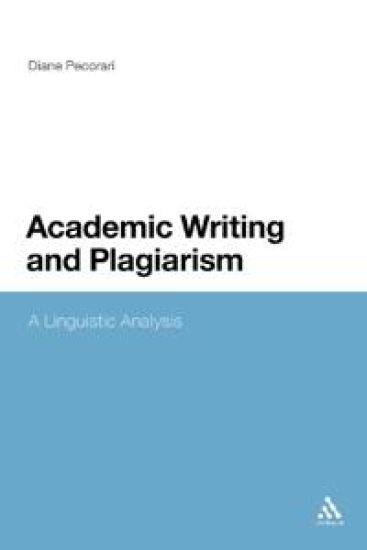
Academic Writing and Plagiarism

Academic Writing and Plagiarism

Diane Pecorari

Bloomsbury Academic
2015
nidottu
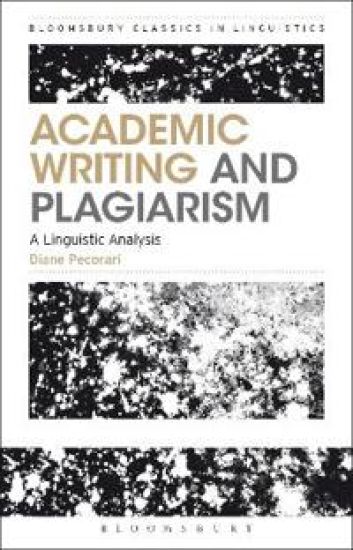
Plagiarism has long been regarded with concern by the university community as a serious act of wrongdoing threatening core academic values. There has been a perceived increase in plagiarism over recent years, due in part to issues raised by the new media, a diverse student population and the rise in English as a lingua franca. This book examines plagiarism, the inappropriate relationship between a text and its sources, from a linguistic perspective. Diane Pecorari brings recent linguistic research to bear on plagiarism, including processes of first and second language writers; interplay between reading and writing; writer's identity and voice; and the expectations of the academic discourse community. Using empirical data drawn from a large sample of student writing, compared against written sources, Academic Writing and Plagiarism argues that some plagiarism, in this linguistic context, can be regarded as a failure of pedagogy rather than a deliberate attempt to transgress. The book examines the implications of this gap between the institutions' expectations of the students, student performance and institutional awareness, and suggests pedagogic solutions to be implemented at student, tutor and institutional levels. Academic Writing and Plagiarism is essential reading for those in applied linguistics concerned with the transmission and adaptation of knowledge and discourse.
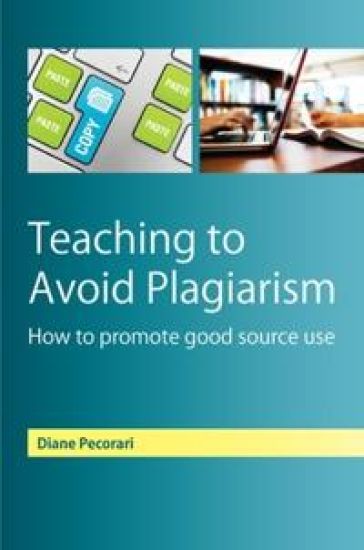
Teaching to Avoid Plagiarism: How to Promote Good Source Use
Plagiarism is a serious problem in higher education, and one that the majority of university teachers have encountered. This book provides the skills and resources that university teachers and learning and development support staff need in order to tackle it. As a complex issue that requires thoughtful and sensitive handling, plagiarism simply cannot be addressed by warnings; detection software and punishment alone. Teaching to Avoid Plagiarism focuses on prevention rather than punishment and promotes a proactive, rather than reactive, approach to dealing with the issue. Topics covered in this book include:The causes of plagiarismHow universities currently deal with plagiarismHow teachers can support students in effective source useThe role of technology Issues for second language writers and international studentsDrawing on her teaching experience as well as her academic research, Diane Pecorari offers a unique insight into this pervasive problem as well as practical advice on how to promote good source use to students and help them to avoid plagiarism. With a series of activities to help readers solidify their grasp of the approaches advised in the book, Teaching to Avoid Plagiarism is an essential guide for anyone in a student-facing role who wants to handle plagiarism more effectively. "Diane Pecorari’s book provides practical examples and activities on handling plagiarism blended with research-based findings. It is useful for teachers wanting to improve their understanding and practices in managing plagiarism, but also student advisors and academic support skills staff who deal with issues of academic integrity. This book makes a unique contribution to the field of plagiarism management as its structure affords direct professional development opportunities." Dr Wendy Sutherland-Smith, School of Psychology, Faculty of Health, Deakin University, Australia"Teaching to Avoid Plagiarism successfully turns attention away from the detection and punishment of plagiarism and focuses instead on understanding and prevention through the promotion of good source use." Maggie Charles, Oxford University Language Centre"Diane Pecorari’s insightful research and scholarship on plagiarism is used to excellent effect in this book which advocates a proactive rather than reactive approach to the difficulties faced by students in learning how to integrate their source texts." Dr Ann Hewings, Director, Centre for Language and Communication, The Open University"As stated by Diane Pecorari in the first sentence of this excellent volume, 'plagiarism is a problem in our universities'. The volume demonstrates clearly how teachers and students can deal with this 'problem' by developing a better understanding of the phenomenon, on the one hand, and developing specific skills in dealing with it, on the other." Professor John Flowerdew, City University of Hong Kong
Academic Writing and Plagiarism

Academic Writing and Plagiarism

Diane Pecorari

Continuum Publishing Corporation
2010
nidottu
Plagiarism has long been regarded with concern by the university community as a serious act of wrongdoing threatening core academic values. There has been a perceived increase in plagiarism over recent years, due in part to issues raised by the new media, a diverse student population and the rise in English as a lingua franca. This book examines plagiarism, the inappropriate relationship between a text and its sources, from a linguistic perspective. Diane Pecorari brings recent linguistic research to bear on plagiarism, including processes of first and second language writers; interplay between reading and writing; writer's identity and voice; and the expectations of the academic discourse community. Using empirical data drawn from a large sample of student writing, compared against written sources, Academic Writing and Plagiarism argues that some plagiarism, in this linguistic context, can be regarded as a failure of pedagogy rather than a deliberate attempt to transgress. The book examines the implications of this gap between the institutions' expectations of the students, student performance and institutional awareness, and suggests pedagogic solutions to be implemented at student, tutor and institutional levels. Academic Writing and Plagiarism is a cutting-edge research monograph which will be essential reading for researchers in applied linguistics.
Academic Writing and Plagiarism

Academic Writing and Plagiarism

Diane Pecorari

BLOOMSBURY PUBLISHING PLC
2008
sidottu
Plagiarism has long been regarded with concern by the university community as a serious act of wrongdoing threatening core academic values. There has been a perceived increase in plagiarism over recent years, due in part to issues raised by the new media, a diverse student population and the rise in English as a lingua franca. This book examines plagiarism, the inappropriate relationship between a text and its sources, from a linguistic perspective. Diane Pecorari brings recent linguistic research to bear on plagiarism, including processes of first and second language writers; interplay between reading and writing; writer's identity and voice; and the expectations of the academic discourse community. Using empirical data drawn from a large sample of student writing, compared against written sources, Academic Writing and Plagiarism argues that some plagiarism, in this linguistic context, can be regarded as a failure of pedagogy rather than a deliberate attempt to transgress. The book examines the implications of this gap between the institutions' expectations of the students, student performance and institutional awareness, and suggests pedagogic solutions to be implemented at student, tutor and institutional levels. Academic Writing and Plagiarism is a cutting-edge research monograph which will be essential reading for researchers in applied linguistics.