
Kirjojen hintavertailu – 12 903 725 kirjaa ja 27 kauppaa

Kirjailija

Diane Schmitt

Kirjat ja teokset yhdessä paikassa: 3 kirjaa, julkaisuja vuosilta 2011–2020, suosituimpiin kuuluu Vocabulary in Language Teaching. Vertaile teosten hintoja ja tarkista saatavuus suomalaisista kirjakaupoista.

3 kirjaa

Kirjojen julkaisuvuodet: 2011–2020.

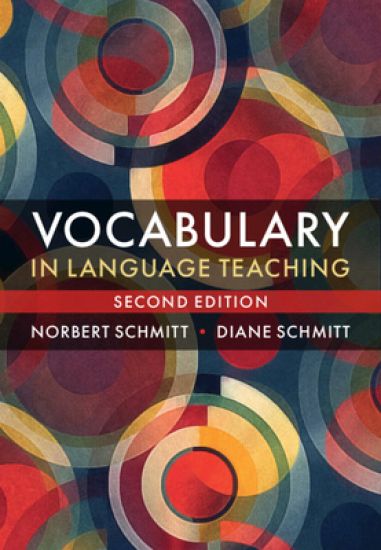
Vocabulary in Language Teaching

Vocabulary in Language Teaching

Norbert Schmitt; Diane Schmitt

Cambridge University Press
2020
sidottu
Internationally recognised as one of the leading texts in its field, this volume offers a comprehensive introduction to vocabulary for language teachers who would like to know more about the way vocabulary works. Two leading specialists make research and theory accessible, providing the background knowledge necessary for practitioners to make informed choices about vocabulary teaching and testing. This second edition retains the popular format of the first edition, and has been rewritten to take account of the many developments in the past 20 years. There is a greater focus on the vocabulary learning process, with new chapters on incidental learning, and intentional learning, and a new wide-ranging discussion of formulaic language. The book now also includes extensive treatment of word lists and vocabulary tests, with explanations of their various strengths and limitations. Updated further reading sections, and new Exercises for Expansion make this volume more invaluable than ever.
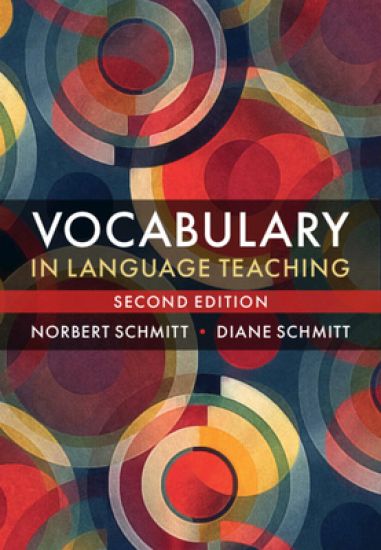
Vocabulary in Language Teaching

Vocabulary in Language Teaching

Norbert Schmitt; Diane Schmitt

Cambridge University Press
2020
pokkari

Halvin toimitettuna 44,00 €

Internationally recognised as one of the leading texts in its field, this volume offers a comprehensive introduction to vocabulary for language teachers who would like to know more about the way vocabulary works. Two leading specialists make research and theory accessible, providing the background knowledge necessary for practitioners to make informed choices about vocabulary teaching and testing. This second edition retains the popular format of the first edition, and has been rewritten to take account of the many developments in the past 20 years. There is a greater focus on the vocabulary learning process, with new chapters on incidental learning, and intentional learning, and a new wide-ranging discussion of formulaic language. The book now also includes extensive treatment of word lists and vocabulary tests, with explanations of their various strengths and limitations. Updated further reading sections, and new Exercises for Expansion make this volume more invaluable than ever.
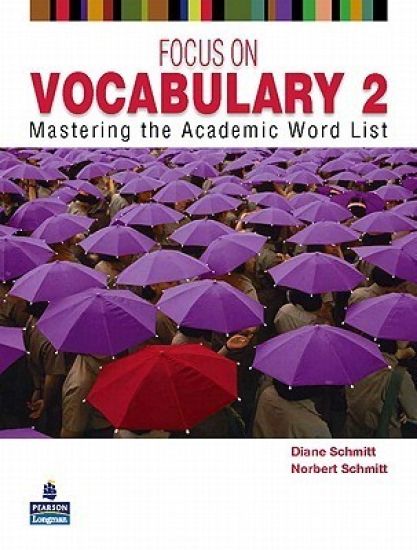
FOCUS ON VOCABULARY 2      2/E STUDENT BOOK         137617

FOCUS ON VOCABULARY 2 2/E STUDENT BOOK 137617

Diane Schmitt; Norbert Schmitt

Pearson Education (US)
2011
nidottu

Halvin toimitettuna 45,40 €

Focus on Vocabulary 2: Mastering the Academic Word List is a research-based vocabulary textbook that gives high-intermediate to advanced students the advantage they need to succeed in academic environments. Through excerpts from college texts and well-crafted exercises, English learners study the Academic Word List – the most frequently used words in academic texts. To help students reach a fuller understanding of the new vocabulary, each chapter provides a series of exercises on word meanings, word families, and collocation. Features Seven units focus on a variety of subject areas, such as social change, consumer behavior, natural resources, and music. Each main chapter carefully recycles the target words four times in reading passages and vocabulary-building exercises. NEW! Reading Strategies are designed to give students the tools they need to better comprehend the materials they read. Activities include recognizing an author’s point of view and synthesizing information from multiple readings. The collocations exercises – based on the 179-million-word New Longman Corpus – reflect how academic words are actually used in real contexts. Expanding the Topic sections provide additional reading, discussion, and writing activities that broaden students’ understanding of vocabulary. Strategy Practice chapters offer tips for dictionary usage, information about word roots and affixes, and methods for expanding students’ word knowledge.