

Kirjailija
Dianne Smith
Kirjat ja teokset yhdessä paikassa: 10 kirjaa, julkaisuja vuosilta 2006–2022, suosituimpiin kuuluu Battered But Not Broken. Vertaile teosten hintoja ja tarkista saatavuus suomalaisista kirjakaupoista.
10 kirjaa
Kirjojen julkaisuvuodet: 2006–2022.
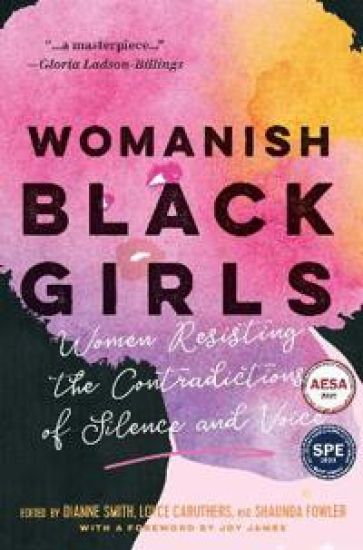
Womanish Black Girls is a collection of essays written by varied black women who fill spaces within the academy, public schools, civic organizations, and religious institutions. These writings are critically reflective and illuminate autobiographical storied-lives. A major theme is the notion of womanish black girls/women resisting the familial and communal expectations of being seen, rather than heard. Consequently, these memories and lived stories name contradictions between “being told what to do or say” and “knowing and deciding for herself.” Additional themes include womanism and feminism, male patriarchy, violence, cultural norms, positionality, spirituality, representation, survival, and schooling. While the aforementioned can revive painful images and feelings, the essays offer hope, joy, redemption, and the re-imagining of new ways of being in individual and communal spaces. An expectation is that middle school black girls, high school black girls, college/university black girls, and community black women view this work as seedlings for understanding resistance, claiming voice, and healing.
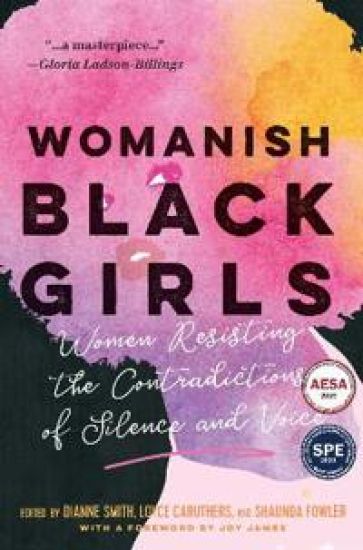
Womanish Black Girls is a collection of essays written by varied black women who fill spaces within the academy, public schools, civic organizations, and religious institutions. These writings are critically reflective and illuminate autobiographical storied-lives. A major theme is the notion of womanish black girls/women resisting the familial and communal expectations of being seen, rather than heard. Consequently, these memories and lived stories name contradictions between “being told what to do or say” and “knowing and deciding for herself.” Additional themes include womanism and feminism, male patriarchy, violence, cultural norms, positionality, spirituality, representation, survival, and schooling. While the aforementioned can revive painful images and feelings, the essays offer hope, joy, redemption, and the re-imagining of new ways of being in individual and communal spaces. An expectation is that middle school black girls, high school black girls, college/university black girls, and community black women view this work as seedlings for understanding resistance, claiming voice, and healing.
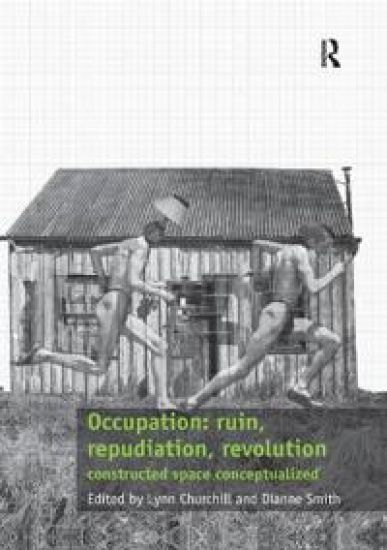
Bringing together an international range of contributors from the fields of practice, theory and history, this book takes a fresh look at occupation. It argues that occupation is a prospect that begins with ruin--a residue from the past, an implied or even a resounding presence of something previous that holds the potential for transformation. This prospect invites us to repudiate, re-imagine and re-define lived space, thereby asserting occupation as an act of revolution. Authors drawn from the fields of architecture, urbanism, interior architecture, dance dramaturgy, art history, design and visual arts, cultural studies and media studies provide a unique, holistic view of occupation, examining topics such as: the authority of architecture; architecture as an act of revolution; women in hypersexual space; occupation as a serialized act of ruin; and the definition of space as repudiation. They discuss how acts that re-invent territory and/or shift boundaries--psychological, social and physical--affect identity and demonstrate possession. This theme of occupation is significant and topical at a time of radical flux, generated by the proliferation of hypermedia, and also by the dramatically shifting environmental, political and economic context of this era. The book concludes by asserting that it is through occupation (private and public: real, virtual, remembered, re-invented) that we appear or disappear as the individual or collective self, because the spaces we construct assert particular agendas which we may either contest or live in accord with.
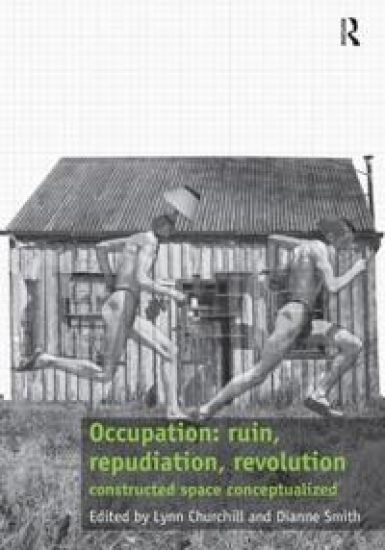
Bringing together an international range of contributors from the fields of practice, theory and history, this book takes a fresh look at occupation. It argues that occupation is a prospect that begins with ruin--a residue from the past, an implied or even a resounding presence of something previous that holds the potential for transformation. This prospect invites us to repudiate, re-imagine and re-define lived space, thereby asserting occupation as an act of revolution. Authors drawn from the fields of architecture, urbanism, interior architecture, dance dramaturgy, art history, design and visual arts, cultural studies and media studies provide a unique, holistic view of occupation, examining topics such as: the authority of architecture; architecture as an act of revolution; women in hypersexual space; occupation as a serialized act of ruin; and the definition of space as repudiation. They discuss how acts that re-invent territory and/or shift boundaries--psychological, social and physical--affect identity and demonstrate possession. This theme of occupation is significant and topical at a time of radical flux, generated by the proliferation of hypermedia, and also by the dramatically shifting environmental, political and economic context of this era. The book concludes by asserting that it is through occupation (private and public: real, virtual, remembered, re-invented) that we appear or disappear as the individual or collective self, because the spaces we construct assert particular agendas which we may either contest or live in accord with.
There are many micro-habitats in built up areas, often subject to strong environmental pressures such as atmospheric and water pollution, frequent disturbance, trampling, nutrient or water scarcity, etc. In Urban Ecology Dianne Smith uses such features as footpaths, walls, gravestones, gardens, compost heaps and derelict land to investigate the effects of these pressures and to demonstrate other ecological properties of oftern isolated habitats. This book was first published in 1984.
Collaborations
Archie Hearne; Garbo Watson Hearne; Halima Taha; Dianne Smith
Independent Publisher
2009
sidottu
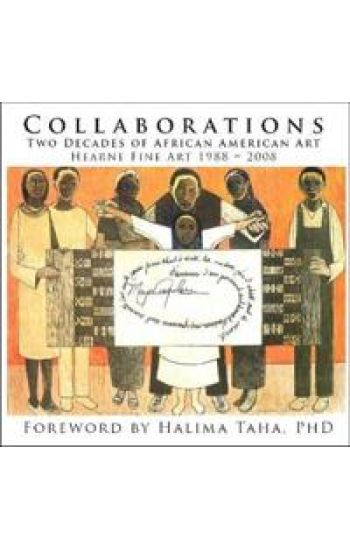
Hearne Fine Art in Little Rock, Arkansas, commemorates twenty years of exhibiting and promoting African American art with the publication of ""Collaborations"". The book, featuring internationally and nationally acclaimed artists, including eleven Arkansans, is complete with vivid color reproductions of the artwork of 57 artists. It is organized by medium and features work from artists who have exhibited in solo and group exhibitions at Hearne Fine Art. Each image is accompanied by a brief profile of the artist as well as a personal statement. It is a vibrant testimonial to the longevity and commitment to excellence that has come to be the trademark of this distinguished gallery. The selection of artists illuminates the diversity of styles and media and includes watercolor, pastel, sculpture, printmaking, photography, mixed media, fiber art, oil, and acrylic on canvas. ""Collaborations"" also includes a unique collection of titles from the ""Limited Editions Club"".
There are many micro-habitats in built up areas, often subject to strong environmental pressures such as atmospheric and water pollution, frequent disturbance, trampling, nutrient or water scarcity, etc. In Urban Ecology Dianne Smith uses such features as footpaths, walls, gravestones, gardens, compost heaps and derelict land to investigate the effects of these pressures and to demonstrate other ecological properties of oftern isolated habitats. This book was first published in 1984.