Kirjojen hintavertailu – 12 859 818 kirjaa ja 27 kauppaa

Kirjailija

Dinah Rajak

Kirjat ja teokset yhdessä paikassa: 3 kirjaa, julkaisuja vuosilta 2011–2014, suosituimpiin kuuluu A Long Way Home. Vertaile teosten hintoja ja tarkista saatavuus suomalaisista kirjakaupoista.

3 kirjaa

Kirjojen julkaisuvuodet: 2011–2014.

A Long Way Home

A Long Way Home

William Beinart; Julia Charlton; David Coplan; Peter Delius; Jacob Dlamini; Patrick Harries; Michelle Hay; Deborah James; Sekibakiba Peter Lekgoathi; Jock McCulloch; Anitra Nettleton; Noor Nieftagodien; Laura Phillips; Dinah Rajak; Fiona Rankin-Smith; Micah Reddy; Jonny Steinberg

Wits University Press
2014
nidottu
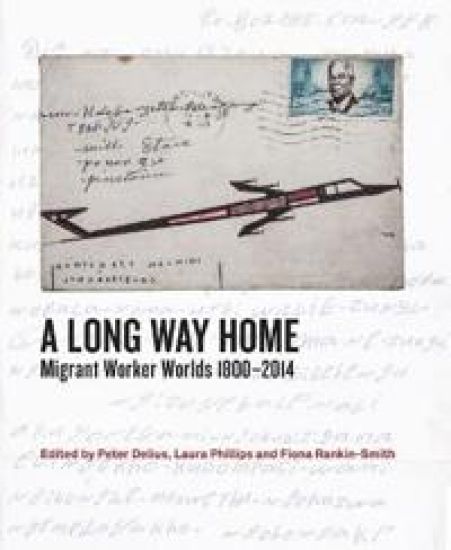
In no other society in the world have urbanisation and industrialisation been as comprehensively based on migrant labour as in South Africa. Rather than focusing on the well-documented narrative of displacement and oppression, A Long Way Home captures the humanity, agency and creative modes of self-expression of the millions of workers who helped to build and shape modern South Africa. The book spans a three-hundred-year history beginning with the exportation of slave labour from Mozambique in the eighteenth century and ending with the strikes and tensions on the platinum belt in recent years. It shows not only the age-old mobility of African migrants across the continent but also, with the growing demand for labour in the mining industry, the importation of Chinese slaves. The essays and visual materials traverse homesteads, chiefdoms and mining hostels in their portrayal of migrant workers’ and their families’ attempts to maintain contact across large distances and uphold their rural customs, traditions and rituals in new spaces and locations. Together, they provide multiple perspectives on the lived experience of migrant labourers and celebrate their extraordinary journeys. A Long Way Home was conceived during the planning of an art exhibition entitled `Ngezinyawo: Migrant Journeys’ at the Wits Art Museum. The interdisciplinary nature of the contributions and the extraordinary collection of images selected to complement and expand on the text make this a unique collection.
In Good Company

In Good Company

Dinah Rajak

Stanford University Press
2011
sidottu
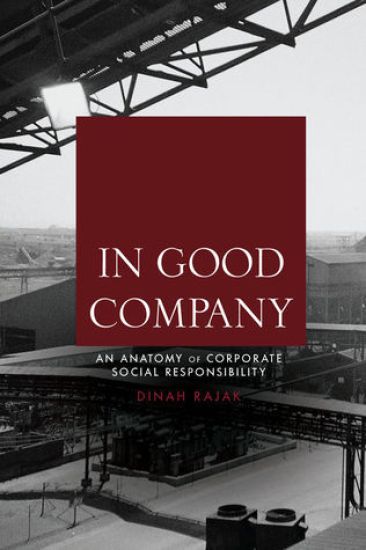
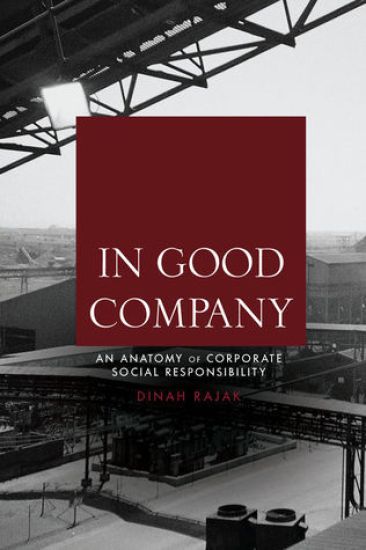
Under the banner of corporate social responsibility (CSR), corporations have become increasingly important players in international development. These days, CSR's union of economics and ethics is virtually unquestioned as an antidote to harsh neoliberal reforms and the delinquency of the state, but nothing is straightforward about this apparently win-win formula. Chronicling transnational mining corporation Anglo American's pursuit of CSR, In Good Company explores what lies behind the movement's marriage of moral imperative and market discipline. From the company's global headquarters to its mineshafts in South Africa, Rajak reveals how CSR enables the corporation to accumulate and exercise power. Interested in CSR's vision of social improvement, Rajak highlights the dependency that the practice generates. This close examination of Africa's largest private sector employer not only brings critical attention to the dangers of corporate dominance, but also provides a lens through which to reflect on the wider global CSR movement.
In Good Company

In Good Company

Dinah Rajak

Stanford University Press
2011
pokkari
Under the banner of corporate social responsibility (CSR), corporations have become increasingly important players in international development. These days, CSR's union of economics and ethics is virtually unquestioned as an antidote to harsh neoliberal reforms and the delinquency of the state, but nothing is straightforward about this apparently win-win formula. Chronicling transnational mining corporation Anglo American's pursuit of CSR, In Good Company explores what lies behind the movement's marriage of moral imperative and market discipline. From the company's global headquarters to its mineshafts in South Africa, Rajak reveals how CSR enables the corporation to accumulate and exercise power. Interested in CSR's vision of social improvement, Rajak highlights the dependency that the practice generates. This close examination of Africa's largest private sector employer not only brings critical attention to the dangers of corporate dominance, but also provides a lens through which to reflect on the wider global CSR movement.