
Kirjojen hintavertailu – 12 903 725 kirjaa ja 27 kauppaa

Kirjailija

Diodorus Siculus

Kirjat ja teokset yhdessä paikassa: 31 kirjaa, julkaisuja vuosilta 1933–2025, suosituimpiin kuuluu Bibliotheca Historica, Volume 2. Vertaile teosten hintoja ja tarkista saatavuus suomalaisista kirjakaupoista.

Nimi esiintyy myös muodoissa: Diodorus (Siculus), Diodorus (Siculus )

31 kirjaa

Kirjojen julkaisuvuodet: 1933–2025.

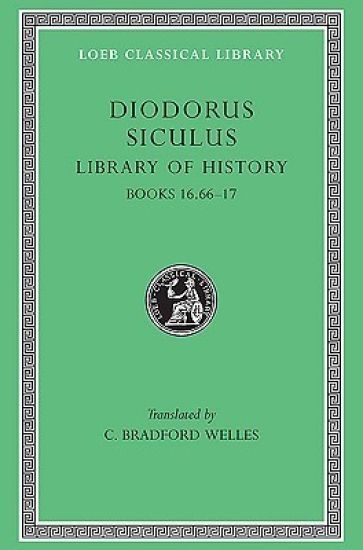
Library of History, Volume VIII

Library of History, Volume VIII

Diodorus Siculus

LOEB
1963
sidottu
Remains of a universal chronicle. Diodorus Siculus, Greek historian of Agyrium in Sicily (ca. 80–20 BC), wrote forty books of world history, called Library of History, in three parts: mythical history of peoples, non-Greek and Greek, to the Trojan War; history to Alexander’s death (323 BC); history to 54 BC. Of this we have complete Books 1–5 (Egyptians, Assyrians, Ethiopians, Greeks) and Books 11–20 (Greek history 480–302 BC); and fragments of the rest. He was an uncritical compiler, but used good sources and reproduced them faithfully. He is valuable for details unrecorded elsewhere, and as evidence for works now lost, especially writings of Ephorus, Apollodorus, Agatharchides, Philistus, and Timaeus. The Loeb Classical Library edition of Diodorus Siculus is in twelve volumes.
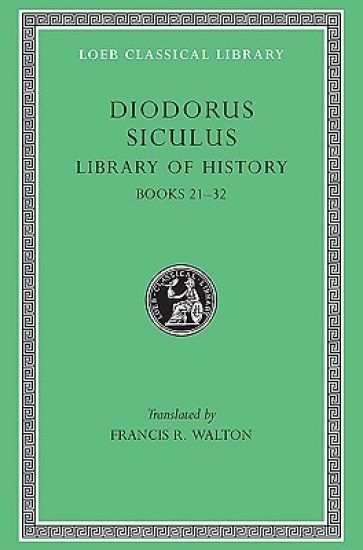
Library of History, Volume XI

Library of History, Volume XI

Diodorus Siculus

LOEB
1957
sidottu
Remains of a universal chronicle. Diodorus Siculus, Greek historian of Agyrium in Sicily (ca. 80–20 BC), wrote forty books of world history, called Library of History, in three parts: mythical history of peoples, non-Greek and Greek, to the Trojan War; history to Alexander’s death (323 BC); history to 54 BC. Of this we have complete Books 1–5 (Egyptians, Assyrians, Ethiopians, Greeks) and Books 11–20 (Greek history 480–302 BC); and fragments of the rest. He was an uncritical compiler, but used good sources and reproduced them faithfully. He is valuable for details unrecorded elsewhere, and as evidence for works now lost, especially writings of Ephorus, Apollodorus, Agatharchides, Philistus, and Timaeus. The Loeb Classical Library edition of Diodorus Siculus is in twelve volumes.
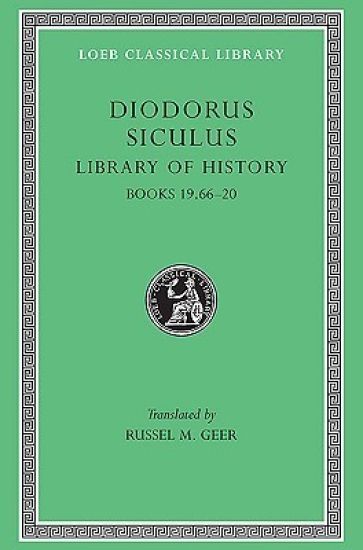
Library of History, Volume X

Library of History, Volume X

Diodorus Siculus

LOEB
1954
sidottu
Remains of a universal chronicle. Diodorus Siculus, Greek historian of Agyrium in Sicily (ca. 80–20 BC), wrote forty books of world history, called Library of History, in three parts: mythical history of peoples, non-Greek and Greek, to the Trojan War; history to Alexander’s death (323 BC); history to 54 BC. Of this we have complete Books 1–5 (Egyptians, Assyrians, Ethiopians, Greeks) and Books 11–20 (Greek history 480–302 BC); and fragments of the rest. He was an uncritical compiler, but used good sources and reproduced them faithfully. He is valuable for details unrecorded elsewhere, and as evidence for works now lost, especially writings of Ephorus, Apollodorus, Agatharchides, Philistus, and Timaeus. The Loeb Classical Library edition of Diodorus Siculus is in twelve volumes.
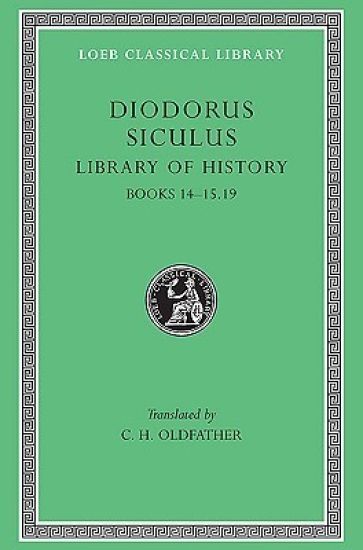
Library of History, Volume VI

Library of History, Volume VI

Diodorus Siculus

LOEB
1954
sidottu
Remains of a universal chronicle. Diodorus Siculus, Greek historian of Agyrium in Sicily (ca. 80–20 BC), wrote forty books of world history, called Library of History, in three parts: mythical history of peoples, non-Greek and Greek, to the Trojan War; history to Alexander’s death (323 BC); history to 54 BC. Of this we have complete Books 1–5 (Egyptians, Assyrians, Ethiopians, Greeks) and Books 11–20 (Greek history 480–302 BC); and fragments of the rest. He was an uncritical compiler, but used good sources and reproduced them faithfully. He is valuable for details unrecorded elsewhere, and as evidence for works now lost, especially writings of Ephorus, Apollodorus, Agatharchides, Philistus, and Timaeus. The Loeb Classical Library edition of Diodorus Siculus is in twelve volumes.
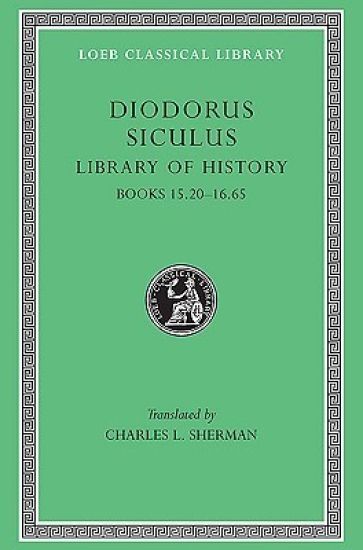
Library of History, Volume VII

Library of History, Volume VII

Diodorus Siculus

LOEB
1952
sidottu
Remains of a universal chronicle. Diodorus Siculus, Greek historian of Agyrium in Sicily (ca. 80–20 BC), wrote forty books of world history, called Library of History, in three parts: mythical history of peoples, non-Greek and Greek, to the Trojan War; history to Alexander’s death (323 BC); history to 54 BC. Of this we have complete Books 1–5 (Egyptians, Assyrians, Ethiopians, Greeks) and Books 11–20 (Greek history 480–302 BC); and fragments of the rest. He was an uncritical compiler, but used good sources and reproduced them faithfully. He is valuable for details unrecorded elsewhere, and as evidence for works now lost, especially writings of Ephorus, Apollodorus, Agatharchides, Philistus, and Timaeus. The Loeb Classical Library edition of Diodorus Siculus is in twelve volumes.
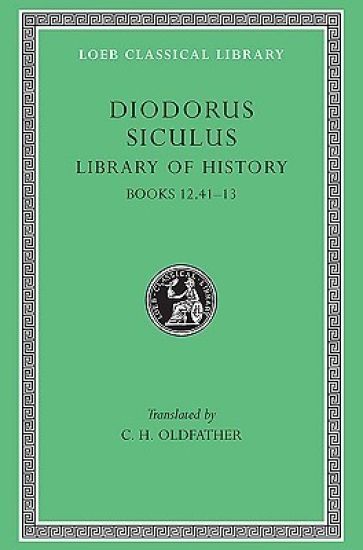
Library of History, Volume V

Library of History, Volume V

Diodorus Siculus

LOEB
1950
sidottu
Remains of a universal chronicle. Diodorus Siculus, Greek historian of Agyrium in Sicily (ca. 80–20 BC), wrote forty books of world history, called Library of History, in three parts: mythical history of peoples, non-Greek and Greek, to the Trojan War; history to Alexander’s death (323 BC); history to 54 BC. Of this we have complete Books 1–5 (Egyptians, Assyrians, Ethiopians, Greeks) and Books 11–20 (Greek history 480–302 BC); and fragments of the rest. He was an uncritical compiler, but used good sources and reproduced them faithfully. He is valuable for details unrecorded elsewhere, and as evidence for works now lost, especially writings of Ephorus, Apollodorus, Agatharchides, Philistus, and Timaeus. The Loeb Classical Library edition of Diodorus Siculus is in twelve volumes.
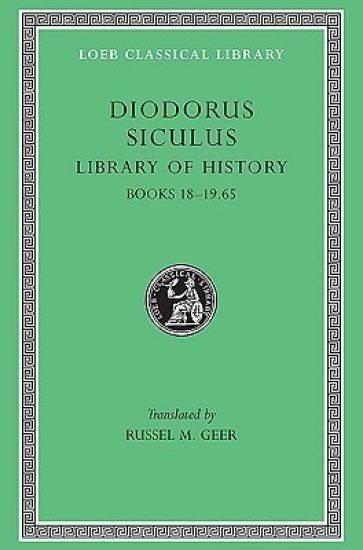
Library of History, Volume IX

Library of History, Volume IX

Diodorus Siculus

LOEB
1947
sidottu
Remains of a universal chronicle. Diodorus Siculus, Greek historian of Agyrium in Sicily (ca. 80–20 BC), wrote forty books of world history, called Library of History, in three parts: mythical history of peoples, non-Greek and Greek, to the Trojan War; history to Alexander’s death (323 BC); history to 54 BC. Of this we have complete Books 1–5 (Egyptians, Assyrians, Ethiopians, Greeks) and Books 11–20 (Greek history 480–302 BC); and fragments of the rest. He was an uncritical compiler, but used good sources and reproduced them faithfully. He is valuable for details unrecorded elsewhere, and as evidence for works now lost, especially writings of Ephorus, Apollodorus, Agatharchides, Philistus, and Timaeus. The Loeb Classical Library edition of Diodorus Siculus is in twelve volumes.
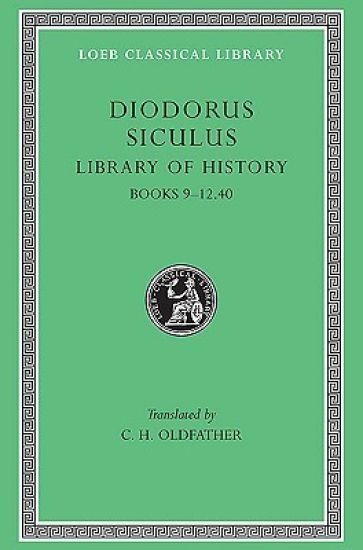
Library of History, Volume IV

Library of History, Volume IV

Diodorus Siculus

LOEB
1946
sidottu
Remains of a universal chronicle. Diodorus Siculus, Greek historian of Agyrium in Sicily (ca. 80–20 BC), wrote forty books of world history, called Library of History, in three parts: mythical history of peoples, non-Greek and Greek, to the Trojan War; history to Alexander’s death (323 BC); history to 54 BC. Of this we have complete Books 1–5 (Egyptians, Assyrians, Ethiopians, Greeks) and Books 11–20 (Greek history 480–302 BC); and fragments of the rest. He was an uncritical compiler, but used good sources and reproduced them faithfully. He is valuable for details unrecorded elsewhere, and as evidence for works now lost, especially writings of Ephorus, Apollodorus, Agatharchides, Philistus, and Timaeus. The Loeb Classical Library edition of Diodorus Siculus is in twelve volumes.
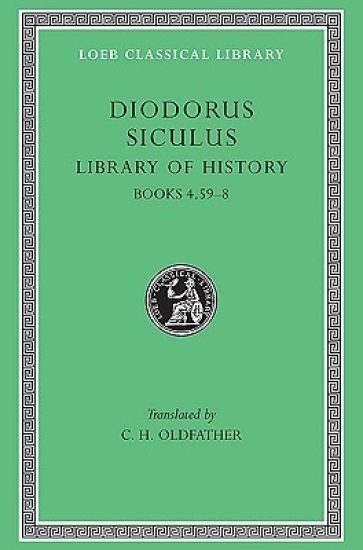
Library of History, Volume III

Library of History, Volume III

Diodorus Siculus

LOEB
1939
sidottu

Halvin toimitettuna 39,00 €

Remains of a universal chronicle. Diodorus Siculus, Greek historian of Agyrium in Sicily (ca. 80–20 BC), wrote forty books of world history, called Library of History, in three parts: mythical history of peoples, non-Greek and Greek, to the Trojan War; history to Alexander’s death (323 BC); history to 54 BC. Of this we have complete Books 1–5 (Egyptians, Assyrians, Ethiopians, Greeks) and Books 11–20 (Greek history 480–302 BC); and fragments of the rest. He was an uncritical compiler, but used good sources and reproduced them faithfully. He is valuable for details unrecorded elsewhere, and as evidence for works now lost, especially writings of Ephorus, Apollodorus, Agatharchides, Philistus, and Timaeus. The Loeb Classical Library edition of Diodorus Siculus is in twelve volumes.
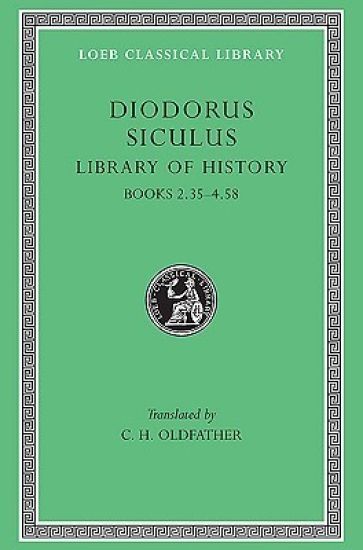
Library of History, Volume II

Library of History, Volume II

Diodorus Siculus

LOEB
1935
sidottu
Remains of a universal chronicle. Diodorus Siculus, Greek historian of Agyrium in Sicily (ca. 80–20 BC), wrote forty books of world history, called Library of History, in three parts: mythical history of peoples, non-Greek and Greek, to the Trojan War; history to Alexander’s death (323 BC); history to 54 BC. Of this we have complete Books 1–5 (Egyptians, Assyrians, Ethiopians, Greeks) and Books 11–20 (Greek history 480–302 BC); and fragments of the rest. He was an uncritical compiler, but used good sources and reproduced them faithfully. He is valuable for details unrecorded elsewhere, and as evidence for works now lost, especially writings of Ephorus, Apollodorus, Agatharchides, Philistus, and Timaeus. The Loeb Classical Library edition of Diodorus Siculus is in twelve volumes.
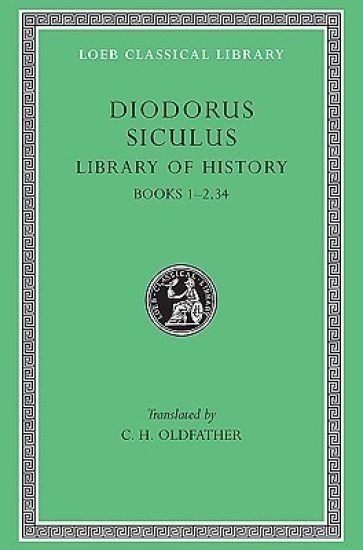
Library of History, Volume I

Library of History, Volume I

Diodorus Siculus

LOEB
1933
sidottu

Halvin toimitettuna 36,30 €

Remains of a universal chronicle. Diodorus Siculus, Greek historian of Agyrium in Sicily (ca. 80–20 BC), wrote forty books of world history, called Library of History, in three parts: mythical history of peoples, non-Greek and Greek, to the Trojan War; history to Alexander’s death (323 BC); history to 54 BC. Of this we have complete Books 1–5 (Egyptians, Assyrians, Ethiopians, Greeks) and Books 11–20 (Greek history 480–302 BC); and fragments of the rest. He was an uncritical compiler, but used good sources and reproduced them faithfully. He is valuable for details unrecorded elsewhere, and as evidence for works now lost, especially writings of Ephorus, Apollodorus, Agatharchides, Philistus, and Timaeus. The Loeb Classical Library edition of Diodorus Siculus is in twelve volumes.