
Kirjojen hintavertailu – 12 903 724 kirjaa ja 27 kauppaa

Kirjailija

Dipanwita Chakraborty

Kirjat ja teokset yhdessä paikassa: 2 kirjaa, julkaisuja vuosilta 2016–2018, suosituimpiin kuuluu MGNREGA: Employment, Wages and Migration in Rural India. Vertaile teosten hintoja ja tarkista saatavuus suomalaisista kirjakaupoista.

2 kirjaa

Kirjojen julkaisuvuodet: 2016–2018.

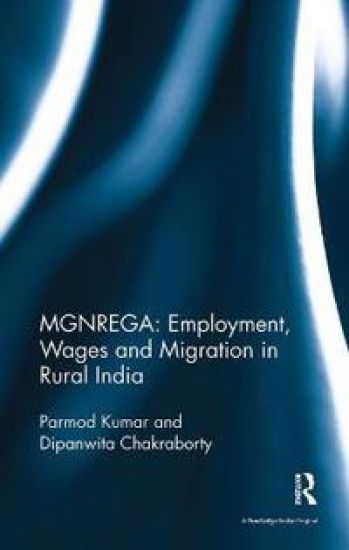
MGNREGA: Employment, Wages and Migration in Rural India

MGNREGA: Employment, Wages and Migration in Rural India

Parmod Kumar; Dipanwita Chakraborty

Routledge India
2018
nidottu
The Mahatma Gandhi National Rural Employment Guarantee Act (MGNREGA) was enacted in India with the multiple objectives of providing employment in a rights-based framework, addressing rural poverty, checking migration, and building rural infrastructure. As such, every year around 15–20 per cent of households in India overall and 30 per cent in rural India receive some form of employment share under the MGNREGA programme. This volume looks at various aspect of the scheme, its linkage with employment, agricultural wages, livelihood and food security, gender issues, and migration in rural India. It also discusses challenges in implementation, hurdles and the relative successes of the scheme. Based on primary survey data from 16 major states in the country, the findings of the study provide key insights into MGNREGA and assess the implications for other welfare-oriented programmes. Rich in empirical data, this volume will be useful to scholars and researchers of political economy, economics, agriculture, rural development and sociology, as well as policymakers and nongovernmental organisations.
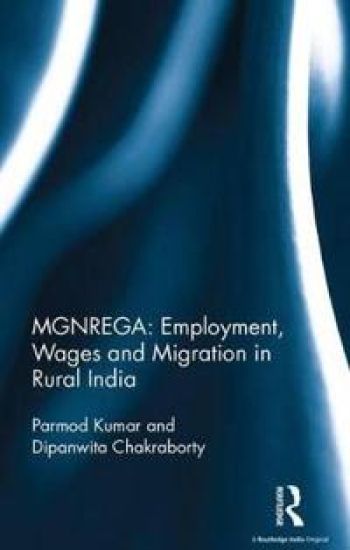
MGNREGA: Employment, Wages and Migration in Rural India

MGNREGA: Employment, Wages and Migration in Rural India

Parmod Kumar; Dipanwita Chakraborty

Routledge India
2016
sidottu
The Mahatma Gandhi National Rural Employment Guarantee Act (MGNREGA) was enacted in India with the multiple objectives of providing employment in a rights-based framework, addressing rural poverty, checking migration, and building rural infrastructure. As such, every year around 15–20 per cent of households in India overall and 30 per cent in rural India receive some form of employment share under the MGNREGA programme. This volume looks at various aspect of the scheme, its linkage with employment, agricultural wages, livelihood and food security, gender issues, and migration in rural India. It also discusses challenges in implementation, hurdles and the relative successes of the scheme. Based on primary survey data from 16 major states in the country, the findings of the study provide key insights into MGNREGA and assess the implications for other welfare-oriented programmes. Rich in empirical data, this volume will be useful to scholars and researchers of political economy, economics, agriculture, rural development and sociology, as well as policymakers and nongovernmental organisations.