
Kirjojen hintavertailu – 12 859 824 kirjaa ja 27 kauppaa

Kirjailija

Dominic L. Lasorsa

Kirjat ja teokset yhdessä paikassa: 2 kirjaa, julkaisuja vuodelta 2004, suosituimpiin kuuluu How to Build Social Science Theories. Vertaile teosten hintoja ja tarkista saatavuus suomalaisista kirjakaupoista.

2 kirjaa

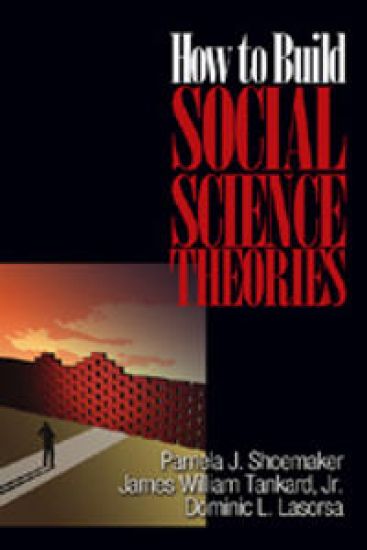
How to Build Social Science Theories

How to Build Social Science Theories

Pamela J. Shoemaker; James William Tankard; Dominic L. Lasorsa

SAGE Publications Inc
2004
nidottu
Click 'Additional Materials' to read the foreword by Jerald HageAs straightforward as its title, How to Build Social Science Theories sidesteps the well-traveled road of theoretical examination by demonstrating how new theories originate and how they are elaborated. Essential reading for students of social science research, this book traces theories from their most rudimentary building blocks (terminology and definitions) through multivariable theoretical statements, models, the role of creativity in theory building, and how theories are used and evaluated. Authors Pamela J. Shoemaker, James William Tankard, Jr., and Dominic L. Lasorsa intend to improve research in many areas of the social sciences by making research more theory-based and theory-oriented. The book begins with a discussion of concepts and their theoretical and operational definitions. It then proceeds to theoretical statements, including hypotheses, assumptions, and propositions. Theoretical statements need theoretical linkages and operational linkages; this discussion begins with bivariate relationships, as well as three-variable, four-variable, and further multivariate relationships. The authors also devote chapters to the creative component of theory-building and how to evaluate theories. How to Build Social Science Theories is a sophisticated yet readable analysis presented by internationally known experts in social science methodology. It is designed primarily as a core text for graduate and advanced undergraduate courses in communication theory. It will also be a perfect addition to any course dealing with theory and research methodology across the social sciences. Additionally, professional researchers will find it an indispensable guide to the genesis, dissemination, and evaluation of social science theories.
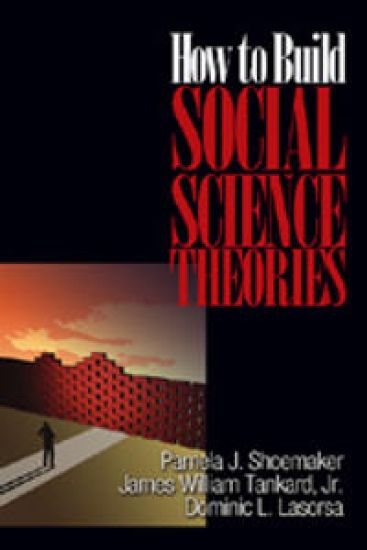
How to Build Social Science Theories

How to Build Social Science Theories

Pamela J. Shoemaker; James William Tankard; Dominic L. Lasorsa

SAGE Publications Inc
2004
sidottu
Click 'Additional Materials' to read the foreword by Jerald HageAs straightforward as its title, How to Build Social Science Theories sidesteps the well-traveled road of theoretical examination by demonstrating how new theories originate and how they are elaborated. Essential reading for students of social science research, this book traces theories from their most rudimentary building blocks (terminology and definitions) through multivariable theoretical statements, models, the role of creativity in theory building, and how theories are used and evaluated. Authors Pamela J. Shoemaker, James William Tankard, Jr., and Dominic L. Lasorsa intend to improve research in many areas of the social sciences by making research more theory-based and theory-oriented. The book begins with a discussion of concepts and their theoretical and operational definitions. It then proceeds to theoretical statements, including hypotheses, assumptions, and propositions. Theoretical statements need theoretical linkages and operational linkages; this discussion begins with bivariate relationships, as well as three-variable, four-variable, and further multivariate relationships. The authors also devote chapters to the creative component of theory-building and how to evaluate theories. How to Build Social Science Theories is a sophisticated yet readable analysis presented by internationally known experts in social science methodology. It is designed primarily as a core text for graduate and advanced undergraduate courses in communication theory. It will also be a perfect addition to any course dealing with theory and research methodology across the social sciences. Additionally, professional researchers will find it an indispensable guide to the genesis, dissemination, and evaluation of social science theories.