Kirjojen hintavertailu – 12 903 725 kirjaa ja 27 kauppaa

Kirjailija

Donald J. Pisani

Kirjat ja teokset yhdessä paikassa: 6 kirjaa, julkaisuja vuosilta 1996–2021, suosituimpiin kuuluu Silver Fox of the Rockies. Vertaile teosten hintoja ja tarkista saatavuus suomalaisista kirjakaupoista.

6 kirjaa

Kirjojen julkaisuvuodet: 1996–2021.

Silver Fox of the Rockies

Silver Fox of the Rockies

Daniel Tyler; Donald J. Pisani

University of Oklahoma Press
2021
nidottu
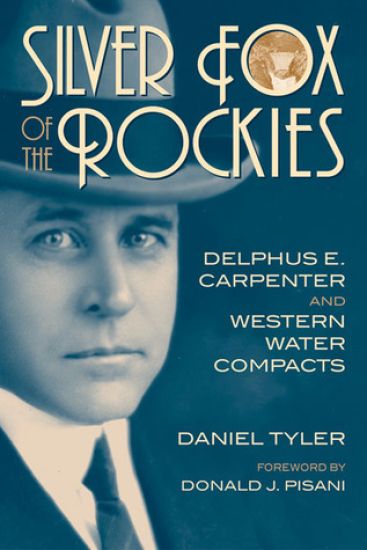
Delphus E. Carpenter (1877-1951) was Colorado’s commissioner of interstate streams during a time when water rights were a legal battleground for western states. A complex, unassuming man as rare and cunning in politics and law as the elusive silver fox of the Rocky Mountain West, Carpenter boldly relied on negotiation instead of endless litigation to forge agreements among states first, before federal intervention. In Silver Fox of the Rockies, Daniel Tyler tells Carpenter’s story and that of the great interstate water compacts he helped create. Those compacts, produced in the early twentieth century, have guided not only agricultural use but urban growth and development throughout much of the American West to this day. In Carpenter’s time, most western states relied on the doctrine of prior appropriation--first in time, first in right--which granted exclusive use of resources to those who claimed them first, regardless of common needs. Carpenter feared that population growth and rapid agricultural development in states sharing the same river basins would rob Colorado of its right to a fair share of water. To avoid that eventuality, Carpenter invoked the compact clause of the U. S. Constitution, a clause previously used to settle boundary disputes, and applied it to interstate water rights. The result was a mechanism by which complex issues involving interstate water rights could be settled through negotiation without litigating them before the U. S. Supreme Court. Carpenter believed in the preservation of states rights in order to preserve the constitutionally mandated balance between state and federal authority. Today, water remains critically important to the American West, and the great interstate water compacts Carpenter helped engineer constitute his most enduring legacy. Of particular significance is the Colorado River Compact of 1922, without which Hoover Dam could never have been built.

From the Family Farm to Agribusiness

From the Family Farm to Agribusiness

Donald J. Pisani

University of California Press
2021
pokkari
From the Family Farm to Agribusiness: The Irrigation Crusade in California and the West, 1850-1931 explores the transformative journey of California’s agricultural economy, examining the shifts from mining and livestock to wheat farming, and eventually to horticulture. The book traces how California's economy underwent rapid changes through booms and busts, from the mining gold rushes to speculative real estate and the wheat industry. Despite its rich natural resources, the state's growth was hampered by unpredictable climate, limited land availability, and competition from other regions. The development of large-scale wheat farming in the 1860s brought mechanization and significant production, but it also resulted in soil exhaustion and competition from foreign markets. This ultimately led to the decline of wheat farming and a shift towards more diversified agriculture. Central to the book is the story of California's struggle with land monopolies and political fragmentation. As vast swathes of land were controlled by speculators, large agricultural estates stifled the development of small family farms that many saw as the backbone of American society. The state’s political environment, rife with corruption and sectional rivalries, slowed efforts to enact meaningful agricultural reforms, especially regarding water management and irrigation. Despite these challenges, the book illustrates how private interests and early irrigation projects laid the foundation for California’s future agribusiness empire, making it a model of commercialized farming. This compelling historical narrative delves into the complex social, economic, and political forces that shaped the agricultural landscape of the American West. This title is part of UC Press's Voices Revived program, which commemorates University of California Press’s mission to seek out and cultivate the brightest minds and give them voice, reach, and impact. Drawing on a backlist dating to 1893, Voices Revived makes high-quality, peer-reviewed scholarship accessible once again using print-on-demand technology. This title was originally published in 1984.
From the Family Farm to Agribusiness

From the Family Farm to Agribusiness

Donald J. Pisani

University of California Press
2021
sidottu
From the Family Farm to Agribusiness: The Irrigation Crusade in California and the West, 1850-1931 explores the transformative journey of California’s agricultural economy, examining the shifts from mining and livestock to wheat farming, and eventually to horticulture. The book traces how California's economy underwent rapid changes through booms and busts, from the mining gold rushes to speculative real estate and the wheat industry. Despite its rich natural resources, the state's growth was hampered by unpredictable climate, limited land availability, and competition from other regions. The development of large-scale wheat farming in the 1860s brought mechanization and significant production, but it also resulted in soil exhaustion and competition from foreign markets. This ultimately led to the decline of wheat farming and a shift towards more diversified agriculture. Central to the book is the story of California's struggle with land monopolies and political fragmentation. As vast swathes of land were controlled by speculators, large agricultural estates stifled the development of small family farms that many saw as the backbone of American society. The state’s political environment, rife with corruption and sectional rivalries, slowed efforts to enact meaningful agricultural reforms, especially regarding water management and irrigation. Despite these challenges, the book illustrates how private interests and early irrigation projects laid the foundation for California’s future agribusiness empire, making it a model of commercialized farming. This compelling historical narrative delves into the complex social, economic, and political forces that shaped the agricultural landscape of the American West. This title is part of UC Press's Voices Revived program, which commemorates University of California Press’s mission to seek out and cultivate the brightest minds and give them voice, reach, and impact. Drawing on a backlist dating to 1893, Voices Revived makes high-quality, peer-reviewed scholarship accessible once again using print-on-demand technology. This title was originally published in 1984.
Silver Fox of the Rockies

Silver Fox of the Rockies

Daniel Tyler; Donald J. Pisani

University of Oklahoma Press
2003
sidottu
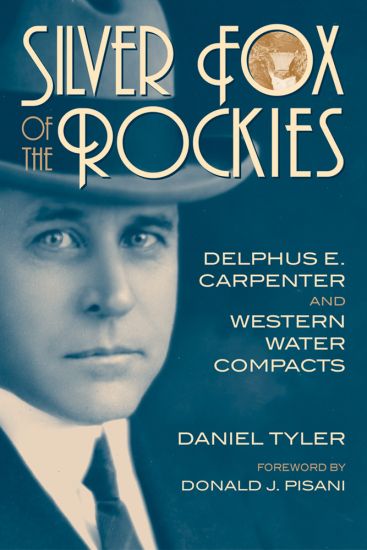
Delphus E. Carpenter (1877-1951) was Colorado's commissioner of interstate streams during a time when water rights were a legal battleground for western states. A complex, unassuming man as rare and cunning in politics and law as the elusive silver fox of the Rocky Mountain West, Carpenter boldly relied on negotiation instead of endless litigation to forge agreements among states first, before federal intervention. In Silver Fox of the Rockies, Daniel Tyler tells Carpenter's story and that of the great interstate water compacts he helped create. Those compacts, produced in the early twentieth century, have guided not only agricultural use but urban growth and development throughout much of the American West to this day. In Carpenter's time, most western states relied on the doctrine of prior appropriation--first in time, first in right--which granted exclusive use of resources to those who claimed them first, regardless of common needs. Carpenter feared that population growth and rapid agricultural development in states sharing the same river basins would rob Colorado of its right to a fair share of water. To avoid that eventuality, Carpenter invoked the compact clause of the U. S. Constitution, a clause previously used to settle boundary disputes, and applied it to interstate water rights. The result was a mechanism by which complex issues involving interstate water rights could be settled through negotiation without litigating them before the U. S. Supreme Court. Carpenter believed in the preservation of states rights in order to preserve the constitutionally mandated balance between state and federal authority. Today, water remains critically important to the American West, and the great interstate water compacts Carpenter helped engineer constitute his most enduring legacy. Of particular significance is the Colorado River Compact of 1922, without which Hoover Dam could never have been built.
Water and American Government

Water and American Government

Donald J. Pisani

University of California Press
2002
sidottu
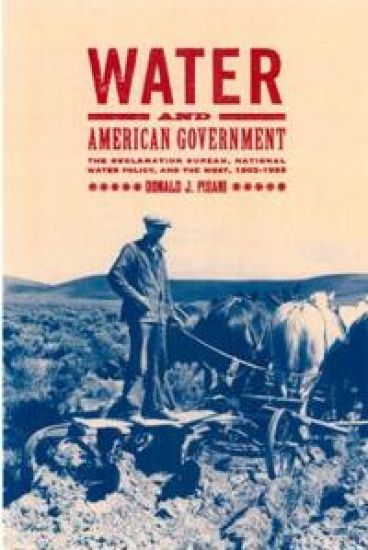
Donald Pisani's history of perhaps the boldest economic and social program ever undertaken in the United States - to reclaim and cultivate vast areas of previously unusable land across the country - shows in fascinating detail how ambitious government programs fall prey to the power of local interest groups and the federal system of governance itself. What began as the underwriting of a variety of projects to create family farms and farming communities had become by the 1930s a massive public works and regional development program, with an emphasis on the urban as much as on the rural West.
Water, Land, and Law in the West

Water, Land, and Law in the West

Donald J. Pisani

University Press of Kansas
1996
nidottu
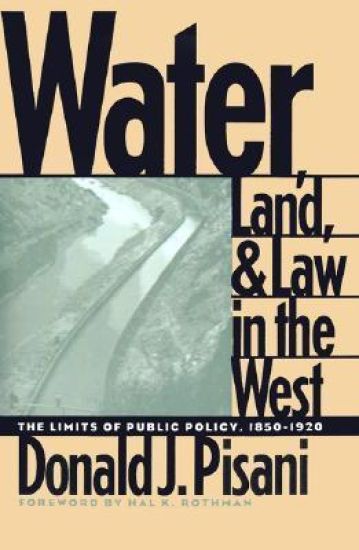
This volume features the best and most influential essays by Donald Pisani, one of our nation's leading environmental and western historians. Collectively, the essays highlight the central role played by land, water, and timber allocation in the American West and show how efforts to achieve justice and efficiency were compromised by the region's obsession with achieving rapid economic growth. Pisani's work underscores the importance of natural resources to the American vision of opportunity and social progress, as well as the limits of federal influence in resolving the complex tensions between national and local control, between government regulation and laissez-faire capitalism, between democratic and corporate power, and between development and conservation. His work reminds us that westerners, ever wary of any form of centralized planning, have been far more supportive of the marketplace than government direction, and he demonstrates just how difficult it is to alter natural resource policies to keep pace with changing times and values. For those already familiar with Pisani or those coming to him for the first time, this is an invaluable volume.