Kirjojen hintavertailu – 12 903 724 kirjaa ja 27 kauppaa

Kirjailija

Donald J. Puchala

Kirjat ja teokset yhdessä paikassa: 3 kirjaa, julkaisuja vuosilta 2003–2022, suosituimpiin kuuluu Theory and History in International Relations. Vertaile teosten hintoja ja tarkista saatavuus suomalaisista kirjakaupoista.

3 kirjaa

Kirjojen julkaisuvuodet: 2003–2022.

Fiscal Harmonization in the European Communities

Fiscal Harmonization in the European Communities

Donald J. Puchala

Bloomsbury Academic
2013
sidottu
The specific concern of this study is ‘politicization’ or the relationships between contests in national politics and the capacity for international cooperation. Progress towards fiscal harmonization in the European Community is selected as the substantive focus for the study, although the object is to learn from the EC rather than about it. The author argues that common EC policies usually reach fruition as complex compromises, derived from decisions based on the perceived effect on domestic politics and rivalries, rather than transnational neatness. Lack of political will is frequently blamed for delays in the acceptance of common policies, whereas the truth often lies in the fact that national governments believe that domestic political costs would be prohibitive. Politicization is studied in four major areas:1. Identification, causes and effects2. The effect on domestic politics and transnational cooperation in the EC3. Effects on further ‘European integration’4. Deriving lessons from the EC for more general relationships between domestic politics and international cooperation.
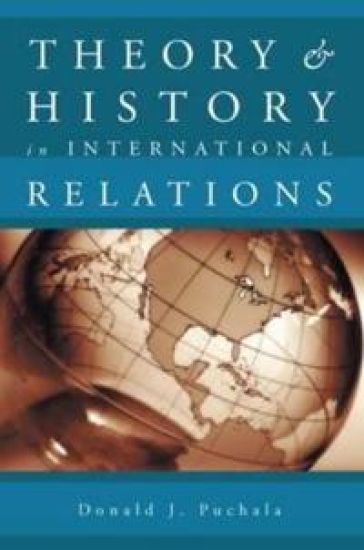
Theory and History in International Relations
Theory and History in International Relations is an eloquent plea to scholars of global politics to turn away from the "manufacture" of data and return to a systematic study of history as a basic for theory. While the modest use of empiricism will always be important, Puchala rejects the logical positivism of the so-called "scientific revolution" in the field in favor of a more complex, even intuitive, vision of global politics. He addresses the potential uses of history in studying some of the major debates of our time-the Cold War as a struggle between empires, the collision of civilizations, cultural encounters and colonies in the ancient world, and liberal approaches to the understanding of history and ethical contributions to the dialogue over theory.