
Kirjailija
Donald Lee
Kirjat ja teokset yhdessä paikassa: 13 kirjaa, julkaisuja vuosilta 1992–2022, suosituimpiin kuuluu Insanity. Vertaile teosten hintoja ja tarkista saatavuus suomalaisista kirjakaupoista.
13 kirjaa
Kirjojen julkaisuvuodet: 1992–2022.


As every student of British history is aware, Bonny Prince Charlie made a right cockup of the Battle of Culloden. However, a secret known to only a select few historians is that the berk who brought disaster upon the highlanders in 1745 was not the Prince, but a player impersonating him, while the Prince, himself, lived in Cornwall in the guise of a humble cheesemonger. In "Song of the Highwayman; or, The Smuggler's Opera: The True Secret History of Charles III's Near Restoration to the Throne of England," medievalist Stanley Lombardo reveals how identical twins separated at birth changed the course of English history. Therein, the reader shall meet players, smugglers, gamblers, Earls, Countesses, whores, Jacobites, redcoats, renegades, taverners, Sidhe enchantresses, Herne the Hunter, and King Herla's Wild Rout -- and, above all, the enigmatic highwayman known as the Fen Tiger If Alexandre Dumas ("The Corsican Brothers"), Henry Fielding ("Tom Jones"), and Russell Thorndyke ("Doctor Syn: The Scarecrow") had collaborated on a tale of thundering hooves and flashing steel to create the opus maximus of their careers, the result would have been "The Song of the Highwayman; or, The Smuggler's Opera"
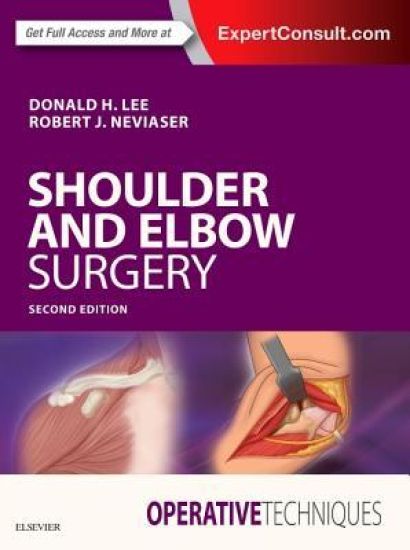
Operative Techniques: Shoulder and Elbow Surgery
Donald Lee; Robert J. Neviaser
Elsevier - Health Sciences Division
2018
sidottu
Part of the practical, highly illustrated Operative Techniques series, this fully revised title by Drs. Donald H. Lee and Robert J. Neviaser brings you up to speed with must-know surgical techniques in today's technically demanding shoulder and elbow surgery. Step-by-step, evidence-based guidance walks you through both common and unique cases you're likely to see in your practice, while tips, pearls, and pitfalls help you optimize outcomes. Features full-color intraoperative photos and detailed illustrations alongside expert technical guidance on instrumentation, placement, step-by-step instructions and more. A bulleted, highly templated format allows for quick understanding of surgical techniques. Retains the clear organization of the first edition with each chapter covering case history/indications, physical exam, imaging, surgical technique, tips, pearls and pitfalls, post-operative management and references for further reading. Includes new and comprehensive coverage of nerve transfers for shoulder and elbow restoration after upper trunk brachial plexus injuries, thoracic outlet syndrome, suprascapular nerve neuropathy, closed treatment of shoulder dislocations, and more. Provides access to nearly 70 videos online, including new videos on the surgical treatment of scapular fractures, arthroscopic distal clavicle resection, radiocapitellar replacement, endoscopic cubital tunnel release, and much more. Expert ConsultT eBook version included with purchase. This enhanced eBook experience allows you to search all of the text, figures, and references from the book on a variety of devices.
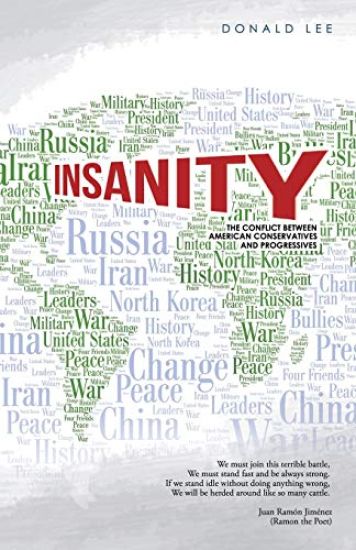





Along with philosophers and psychologists from Plato through Maslow, Lee believes that humans progress through hierarchical stages of biological and moral development. Humans, according to the author, also live at different levels of being and participate in biological, social, rational, cultural, and individual activities. At each developmental stage and in each sphere of activity, people have different needs. A hierarchy of species and individual needs provides an objective basis for ethics. This ethical system extends beyond humanity and embraces environmental ethics as well. The ethical goal of humanity, says Lee, is to create a sound world order that meets human and environmental needs at all levels. Lee begins this study by providing an anthropocentric model for his ethical theory. He expands this model to include hierarchies within the natural world and he integrates human and environmental ethical concerns. He then examines the shortcomings of both capitalism and Marxism in meeting environmental and human needs, and he concludes that a sound world order must be based on political and economic systems that universally address all needs at all levels. Philosophers, psychologists, and all those interested in the human condition will find this work an illuminating synthesis of enduring issues.