
Kirjojen hintavertailu – 12 903 735 kirjaa ja 27 kauppaa

Kirjailija

Donald McClelland

Kirjat ja teokset yhdessä paikassa: 3 kirjaa, julkaisuja vuosilta 1997–2007, suosituimpiin kuuluu Moche Fineline Painting From San Jose De Moro. Vertaile teosten hintoja ja tarkista saatavuus suomalaisista kirjakaupoista.

3 kirjaa

Kirjojen julkaisuvuodet: 1997–2007.

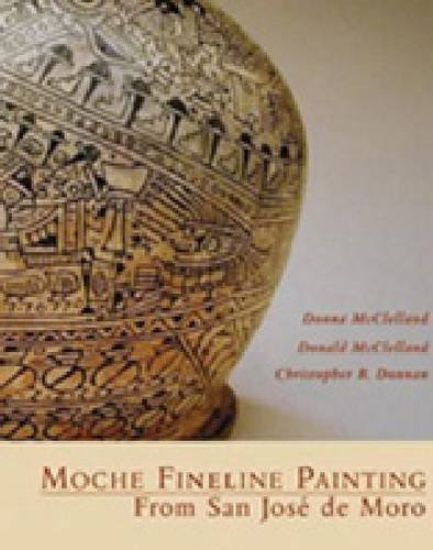
Moche Fineline Painting From San Jose De Moro

Moche Fineline Painting From San Jose De Moro

Christopher B. Donnan; Donald McClelland; Donna McClelland

Cotsen Institute of Archaeology at UCLA
2007
sidottu
Moche civilization flourished on the north coast of Peru from AD 200 to 800. Although the Moche had no writing system, they left a vivid artistic record of their beliefs and activities on intricately painted ceramic vessels, several thousand of which are scattered in museums and private collections throughout the world today. Unfortunately, nearly all were looted by grave robbers so their origin and context are unknown. In recent years, however, through a combination of archaeological excavation and stylistic analysis, it has been possible to identify more than 250 painted vessels from the site of San Jose de Moro. To date, this is the largest sample of Moche art from a single place and time. Thus it provides a unique opportunity to identify a distinct sub-style of Moche ceramics, and to assess its range of artistic and technological variation. Moreover, within the sample it is possible to identify multiple paintings by 18 different artists, thus elucidating the range of subject matter that an artist would paint, as well as the variation in the way he would portray the same scene. By discussing and illustrating more than 200 painted vessels from San Jose de Moro, this volume provides insights about a community of ancient Peruvian potters who shared a distinctive painting style and left a fascinating record of their achievement.
Moche Fineline Painting From San Jose De Moro

Moche Fineline Painting From San Jose De Moro

Christopher B. Donnan; Donald McClelland; Donna McClelland

Cotsen Institute of Archaeology at UCLA
2007
nidottu

Halvin toimitettuna 25,30 €

Moche civilization flourished on the north coast of Peru from AD 200 to 800. Although the Moche had no writing system, they left a vivid artistic record of their beliefs and activities on intricately painted ceramic vessels, several thousand of which are scattered in museums and private collections throughout the world today. Unfortunately, nearly all were looted by grave robbers so their origin and context are unknown. In recent years, however, through a combination of archaeological excavation and stylistic analysis, it has been possible to identify more than 250 painted vessels from the site of San Jose de Moro. To date, this is the largest sample of Moche art from a single place and time. Thus it provides a unique opportunity to identify a distinct sub-style of Moche ceramics, and to assess its range of artistic and technological variation. Moreover, within the sample it is possible to identify multiple paintings by 18 different artists, thus elucidating the range of subject matter that an artist would paint, as well as the variation in the way he would portray the same scene. By discussing and illustrating more than 200 painted vessels from San Jose de Moro, this volume provides insights about a community of ancient Peruvian potters who shared a distinctive painting style and left a fascinating record of their achievement.

Promoting Third-World Development and Food Security

Promoting Third-World Development and Food Security

Donald McClelland; Luther G. Tweeten

Praeger Publishers Inc
1997
sidottu
Experts from inside and outside the USAID program evaluate the effectiveness of governmental intervention aimed at ensuring adequate agricultural production and food security in Third-World nations. They consider in depth the question of how best to assure food security with the least amount of investment of scarce resources, looking in particular at the results of the $1 billion annual expenditure on Third-World agriculture by the USAID program.