Kirjojen hintavertailu – 12 903 725 kirjaa ja 27 kauppaa

Kirjailija

Donald McCown

Kirjat ja teokset yhdessä paikassa: 3 kirjaa, julkaisuja vuosilta 2010–2013, suosituimpiin kuuluu The Ethical Space of Mindfulness in Clinical Practice. Vertaile teosten hintoja ja tarkista saatavuus suomalaisista kirjakaupoista.

3 kirjaa

Kirjojen julkaisuvuodet: 2010–2013.

The Ethical Space of Mindfulness in Clinical Practice

The Ethical Space of Mindfulness in Clinical Practice

Donald McCown; Kenneth Gergen

Jessica Kingsley Publishers
2013
pokkari
Mindfulness is a burgeoning field of study and practice within mental health care and medicine. Yet ethical codes, and the philosophy of the therapist-client relationship, differ greatly between disciplines, and even more between those disciplines and mindfulness-based approaches. The potential for ethical dilemmas is therefore significant. Donald McCown breaks new ground by taking a focused look at an ethics derived from contemporary clinical mindfulness practice itself. What does a secular ethics of mindfulness look like? Who is competent to work therapeutically with mindfulness, and how does one delimit areas and levels of competence? How do clinicians ethically understand the therapist-client relationship from the therapeutic position of mindfulness? And how do clinicians respond when the necessary restraints of their professional role and ethics code come into conflict with the mindfulness-based relationship and therapeutic position? This book makes a vital contribution to the understanding of ethics as the cornerstone of mindfulness-based practice, and will be of interest to all those involved in delivering mindfulness-based interventions, including psychologists, counselors, spiritual directors, occupational therapists, physicians, nurses, and educators.
Teaching Mindfulness

Teaching Mindfulness

Donald McCown; Diane K. Reibel; Marc S. Micozzi

Springer-Verlag New York Inc.
2011
nidottu
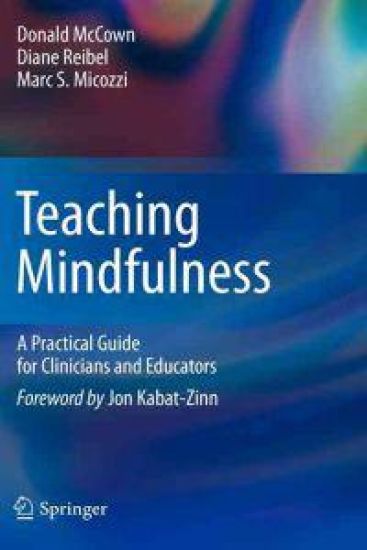
The applications and use of mindfulness-based interventions in medicine, mental health care, and education have been expanding as rapidly as the empirical evidence base that is validating and recommending them. This growth has created a powerful demand for professionals who can effectively deliver these interventions, and for the training of new professionals who can enter the fold. Ironically, while the scientific literature on mindfulness has surged, little attention has been paid to the critical who and how of mindfulness pedagogy. Teaching Mindfulness is the first in-depth treatment of the person and skills of the mindfulness teacher. It is intended as a practical guide to the landscape of teaching, to help those with a new or growing interest in mindfulness-based interventions to develop both the personal authenticity and the practical know-how that can make teaching mindfulness a highly rewarding and effective way of working with others. The detail of theory and praxis it contains can also help seasoned mindfulness practitioners and teachers to articulate and understand more clearly their own pedagogical approaches. Engagingly written and enriched with vignettes from actual classes and individual sessions, this unique volume:Places the current mindfulness-based interventions in their cultural and historical context to help clarify language use, and the integration of Eastern and Western spiritual and secular traditionsOffers a highly relational understanding of mindfulness practice that supports moment-by-moment work with groups and individualsProvides guidance and materials for a highly experiential exploration of the reader's personal practice, embodiment, and application of mindfulness Describes in detail the four essential skill sets of the mindfulness teacher Proposes a comprehensive, systematic model of the intentions of teaching mindfulness as they are revealed in the mindfulness-based interventionsIncludes sample scripts for a wide range of mindfulness practices, and an extensive resource section for continued personal and career development Essential for today's practitioners and teachers of mindfulness-based interventionsTeaching Mindfulness: A Practical Guide for Clinicians and Educators brings this increasingly important discipline into clearer focus, opening dialogue for physicians, clinical and health psychologists, clinical social workers, marriage and family therapists, professional counselors, nurses, occupational therapists, physical therapists, pastoral counselors, spiritual directors, life coaches, organizational development professionals, and teachers and professionals in higher education, in short, everyone with an interest in helping others find their way into the benefits of the present moment.
Teaching Mindfulness

Teaching Mindfulness

Donald McCown; Diane K. Reibel; Marc S. Micozzi

Springer-Verlag New York Inc.
2010
sidottu
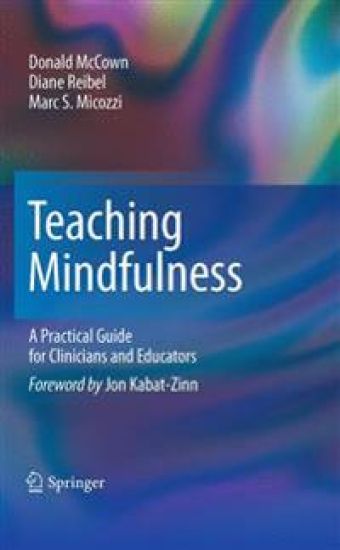
The applications and use of mindfulness-based interventions in medicine, mental health care, and education have been expanding as rapidly as the empirical evidence base that is validating and recommending them. This growth has created a powerful demand for professionals who can effectively deliver these interventions, and for the training of new professionals who can enter the fold. Ironically, while the scientific literature on mindfulness has surged, little attention has been paid to the critical who and how of mindfulness pedagogy. Teaching Mindfulness is the first in-depth treatment of the person and skills of the mindfulness teacher. It is intended as a practical guide to the landscape of teaching, to help those with a new or growing interest in mindfulness-based interventions to develop both the personal authenticity and the practical know-how that can make teaching mindfulness a highly rewarding and effective way of working with others. The detail of theory and praxis it contains can also help seasoned mindfulness practitioners and teachers to articulate and understand more clearly their own pedagogical approaches. Engagingly written and enriched with vignettes from actual classes and individual sessions, this unique volume:Places the current mindfulness-based interventions in their cultural and historical context to help clarify language use, and the integration of Eastern and Western spiritual and secular traditionsOffers a highly relational understanding of mindfulness practice that supports moment-by-moment work with groups and individualsProvides guidance and materials for a highly experiential exploration of the reader's personal practice, embodiment, and application of mindfulness Describes in detail the four essential skill sets of the mindfulness teacher Proposes a comprehensive, systematic model of the intentions of teaching mindfulness as they are revealed in the mindfulness-based interventionsIncludes sample scripts for a wide range of mindfulness practices, and an extensive resource section for continued personal and career development Essential for today's practitioners and teachers of mindfulness-based interventionsTeaching Mindfulness: A Practical Guide for Clinicians and Educators brings this increasingly important discipline into clearer focus, opening dialogue for physicians, clinical and health psychologists, clinical social workers, marriage and family therapists, professional counselors, nurses, occupational therapists, physical therapists, pastoral counselors, spiritual directors, life coaches, organizational development professionals, and teachers and professionals in higher education, in short, everyone with an interest in helping others find their way into the benefits of the present moment.