Kirjojen hintavertailu – 12 903 724 kirjaa ja 27 kauppaa

Kirjailija

Donna M. Sudak

Kirjat ja teokset yhdessä paikassa: 3 kirjaa, julkaisuja vuosilta 2010–2015, suosituimpiin kuuluu High-Yield Cognitive-Behavior Therapy for Brief Sessions. Vertaile teosten hintoja ja tarkista saatavuus suomalaisista kirjakaupoista.

3 kirjaa

Kirjojen julkaisuvuodet: 2010–2015.

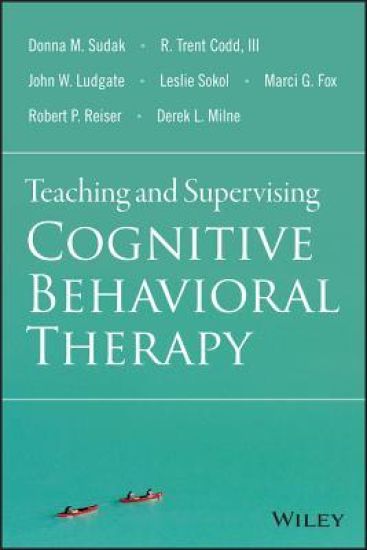
Teaching and Supervising Cognitive Behavioral Therapy

Teaching and Supervising Cognitive Behavioral Therapy

Donna M. Sudak; R. Trent Codd; John W. Ludgate; Leslie Sokol; Marci G. Fox; Robert P. Reiser; Derek L. Milne

John Wiley Sons Inc
2015
nidottu
A total CBT training solution, with practical strategies for improving educational outcomes. Teaching and Supervising Cognitive Behavioral Therapy is the first comprehensive package to provide empirically-validated CBT training and supervisory techniques. Applicable to a variety of behavioral health care disciplines, this multi-modal guide provides educators with the information and tools that can help improve educational outcomes. An examination of CBT developments over the past twenty years leads into a discussion of practical applications for improving CBT education, while addressing the technological advances that facilitate dissemination and the specific challenges posed to confidentiality and patient care. The digital component contains additional audio and video content, plus downloadable worksheets that reinforce and expand upon the strategies presented. Coverage includes advice geared specifically toward the most commonly-encountered problems, with video of training sessions that address issues like frustration with patients, disbelief in psychotherapy, dislike of the method, and lack of skills. Readers will gain insight into effective goal setting, and implement a structured approach to supervision. Examine existing literature and research on training, supervision, and evaluationIntegrate theory with practical strategies to improve learning outcomesCustomize training approaches to specifically suit different professional groupsFit the methods to the environment, including workshops, webinars, and podcasts Mental health professionals who favor an empirically-based approach to therapy will appreciate the effectiveness of an empirically-based approach to pedagogy. Backed by over two decades of CBT research and the insight of leading CBT experts, Teaching and Supervising Cognitive Behavioral Therapy provides trainers with the tools and information they need to improve therapist educational outcomes.
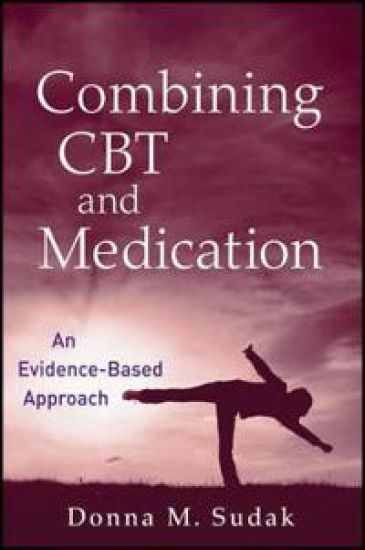
Combining CBT and Medication

Combining CBT and Medication

Donna M. Sudak

John Wiley Sons Inc
2011
nidottu
Combining medication and cognitive behavioral therapy (CBT) can be challenging but can also enhance patient care. This book reviews the existing literature about the neurobiological and clinical basis in combining CBT and medication for non-psychiatrist mental health clinicians. Filled with case studies drawn from the author's extensive clinical and teaching experience, this book breaks new ground in bringing together the most current, proven protocols for using drugs and CBT to improve client care. Practitioners will find in this volume the tools to make informed recommendations to patients.
High-Yield Cognitive-Behavior Therapy for Brief Sessions

High-Yield Cognitive-Behavior Therapy for Brief Sessions

Jesse H. Wright; Donna M. Sudak; Douglas Turkington; Michael E. Thase

American Psychiatric Association Publishing
2010
pokkari
High-Yield Cognitive-Behavior Therapy for Brief Sessions: An Illustrated Guide breaks entirely new ground in explaining how to weave together the powerful tools of CBT with pharmacotherapy in sessions shorter than the traditional "50-minute hour." Written for psychiatrists, therapists, and other clinicians, the book details ways to enrich brief sessions with practical CBT interventions that work to relieve symptoms and promote wellness. An engaging and instructive resource of video illustrations included with the book demonstrates how to successfully implement brief CBT sessions for some of the most common and important problems seen in clinical practice—depression, anxiety, psychotic symptoms, suicidality, sleep disturbances, substance abuse, and coping with physical health issues. Written by practicing clinicians with extensive experience in combining CBT and pharmacotherapy, this volume builds on the constructs and techniques described in the authors' earlier best-selling illustrated guides, Learning Cognitive-Behavior Therapy and Cognitive-Behavior Therapy for Severe Mental Illness. The authors describe in detail the general features of CBT that can be applied in less time than the 50-minute hour • The therapist and patient function as an investigative team; the power of this collaborative empiricism can be evident in even the shortest of clinical encounters.• Clinicians teach patients how to rapidly set agendas, focus on specific problems, pace sessions, and give and receive feedback on progress; this structuring approach is especially well-suited to brief sessions.• A basic tenet of CBT, psychoeducation can effectively be delivered in sessions shorter than 45-60 minutes and, in fact, may become a more dominant aspect of treatment during briefer time frames.• Patients can learn practical, high-yield methods for decreasing symptoms fairly quickly, making these methods highly suitable for application in shorter sessions.• Homework extends learning beyond the confines of the session and encourages self-help in the treatment process, effectively increasing the value of shortened clinician-patient time. When sessions are brief, clinicians must be able to generate succinct and targeted formulations that include key pieces of information that allow for full understanding of the patient, while honing in on specific problems where positive results can be collaboratively pursued. This book, with its video illustrations and learning exercises, was designed to help readers achieve incisive formulations while they sharpen their basic CBT techniques and successfully apply this knowledge in the stimulating and rewarding domain of brief sessions. A must-read for working clinicians as well as trainees, this book offers pragmatic solutions for the challenge of providing effective psychotherapy in brief treatment sessions.