
Kirjojen hintavertailu – 12 903 735 kirjaa ja 27 kauppaa

Kirjailija

Dorothy Badry

Kirjat ja teokset yhdessä paikassa: 3 kirjaa, julkaisuja vuosilta 2018–2022, suosituimpiin kuuluu Decolonising Justice for Aboriginal youth with Fetal Alcohol Spectrum Disorders. Vertaile teosten hintoja ja tarkista saatavuus suomalaisista kirjakaupoista.

3 kirjaa

Kirjojen julkaisuvuodet: 2018–2022.

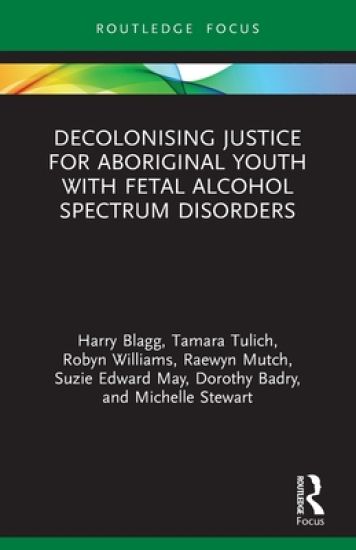
Decolonising Justice for Aboriginal youth with Fetal Alcohol Spectrum Disorders

Decolonising Justice for Aboriginal youth with Fetal Alcohol Spectrum Disorders

Harry Blagg; Tamara Tulich; Robyn Williams; Raewyn Mutch; Dorothy Badry; Michelle Stewart; Suzie Edward May

TAYLOR FRANCIS LTD
2022
nidottu
This book reflects multidisciplinary and cross-jurisdictional analysis of issues surrounding Fetal Alcohol Spectrum Disorders (FASD) and the criminal justice system, and the impact on Aboriginal children, young people, and their families. This book provides the first comprehensive and multidisciplinary account of FASD and its implications for the criminal justice system – from prevalence and diagnosis to sentencing and culturally secure training for custodial officers. Situated within a ‘decolonising’ approach, the authors explore the potential for increased diversion into Aboriginal community-managed, on-country programmes, enabled through innovation at the point of first contact with the police, and non-adversarial, needs-focussed courts. Bringing together advanced thinking in criminology, Aboriginal justice issues, law, paediatrics, social work, and Indigenous mental health and well-being, the book is grounded in research undertaken in Australia, Canada, and New Zealand. The authors argue for the radical recalibration of both theory and practice around diversion, intervention, and the role of courts to significantly lower rates of incarceration; that Aboriginal communities and families are best placed to construct the social and cultural scaffolding around vulnerable youth that could prevent damaging contact with the mainstream justice system; and that early diagnosis and assessment of FASD may make a crucial difference to the life chances of Aboriginal youth and their families. Exploring how, far from providing solutions to FASD, the mainstream criminal justice system increases the likelihood of adverse outcomes for children with FASD and their families, this innovative book will be of great value to researchers and students worldwide interested in criminal and social justice, criminology, youth justice, social work, and education.
Decolonising Justice for Aboriginal youth with Fetal Alcohol Spectrum Disorders

Decolonising Justice for Aboriginal youth with Fetal Alcohol Spectrum Disorders

Harry Blagg; Tamara Tulich; Robyn Williams; Raewyn Mutch; Suzie Edward May; Dorothy Badry; Michelle Stewart

Routledge
2020
sidottu
This book reflects multidisciplinary and cross-jurisdictional analysis of issues surrounding Fetal Alcohol Spectrum Disorders (FASD) and the criminal justice system, and the impact on Aboriginal children, young people, and their families. This book provides the first comprehensive and multidisciplinary account of FASD and its implications for the criminal justice system – from prevalence and diagnosis to sentencing and culturally secure training for custodial officers. Situated within a ‘decolonising’ approach, the authors explore the potential for increased diversion into Aboriginal community-managed, on-country programmes, enabled through innovation at the point of first contact with the police, and non-adversarial, needs-focussed courts. Bringing together advanced thinking in criminology, Aboriginal justice issues, law, paediatrics, social work, and Indigenous mental health and well-being, the book is grounded in research undertaken in Australia, Canada, and New Zealand. The authors argue for the radical recalibration of both theory and practice around diversion, intervention, and the role of courts to significantly lower rates of incarceration; that Aboriginal communities and families are best placed to construct the social and cultural scaffolding around vulnerable youth that could prevent damaging contact with the mainstream justice system; and that early diagnosis and assessment of FASD may make a crucial difference to the life chances of Aboriginal youth and their families. Exploring how, far from providing solutions to FASD, the mainstream criminal justice system increases the likelihood of adverse outcomes for children with FASD and their families, this innovative book will be of great value to researchers and students worldwide interested in criminal and social justice, criminology, youth justice, social work, and education.
Imagining Child Welfare in the Spirit of Reconciliation

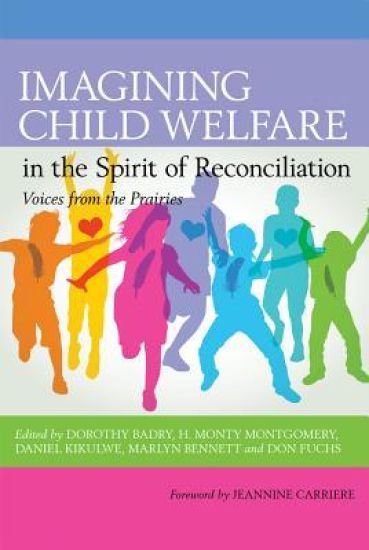
Imagining Child Welfare in the Spirit of Reconciliation

Dorothy Badry; H. Monty Montgomery; Daniel Kikulwe; Marlyn Bennett; Don Fuchs; Jeannine Carriere

University of Regina Press
2018
nidottu
Drawing on the expertise of Indigenous scholars and researchers, including voices from the front lines in Manitoba, Saskatchewan and Alberta, this book examines child welfare practices in kinship care, FASD, homelessness, aging out of the system, and transitions for rural youth leaving care. Themes running throughout the book include renewing and decolonizing child welfare work, anti-oppressive practices, the historical legacy of the 60s Scoop, and the needs of marginalized and vulnerable children.