Kirjojen hintavertailu – 12 903 725 kirjaa ja 27 kauppaa

Kirjailija

Douglas H. Clements

Kirjat ja teokset yhdessä paikassa: 7 kirjaa, julkaisuja vuosilta 2009–2026, suosituimpiin kuuluu No More Math Fact Frenzy. Vertaile teosten hintoja ja tarkista saatavuus suomalaisista kirjakaupoista.

7 kirjaa

Kirjojen julkaisuvuodet: 2009–2026.

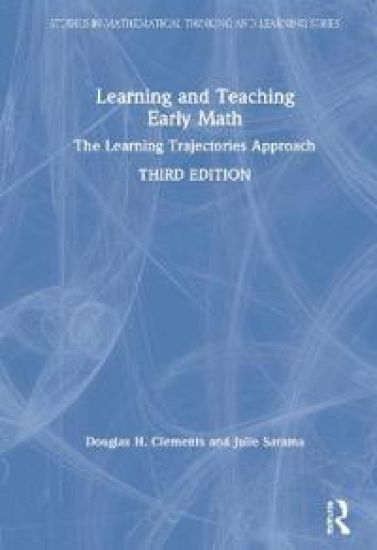
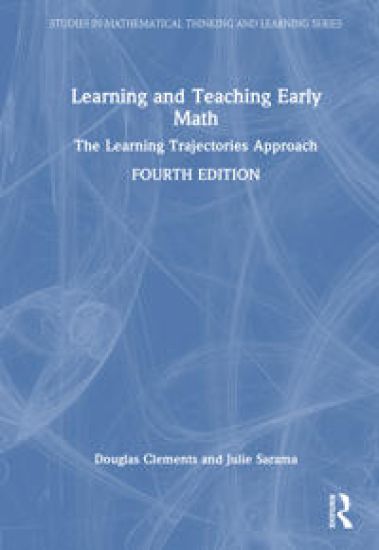
Learning and Teaching Early Math

Learning and Teaching Early Math

Douglas H. Clements; Julie Sarama

TAYLOR FRANCIS LTD
2026
sidottu
This definitive fourth edition synthesizes the research and wisdom of expert teachers on how young children learn mathematics on how effective teachers support their development with learning trajectories. The learning trajectories approach builds on what children know and can do, using activities tailored to develop the next level of thinking. By focusing on the inherent delight and curiosity behind young children’s mathematical reasoning, learning trajectories make teaching more joyful. Through helping teachers understand the varying levels of children’s thinking and learning, this approach allows teachers to better meet the learning needs of all children. This thoroughly revised edition builds on the comprehensive research base of past volumes while drawing on numerous new research studies, expanded international examples, and updated illustrations. Chapters are also more closely linked with Learning and Teaching with Learning Trajectories–[LT]²–an open-access, web-based tool that includes videos, interactive games, and practical classroom resources to help early childhood educators understand how children think and learn about mathematics. Ideal as a curriculum planning resource for mathematics administrators, leaders, a professional development resource for early math teachers, and as a resource for math methods courses, this book brings the authors' nationally recognized learning trajectories approach directly into your classroom.
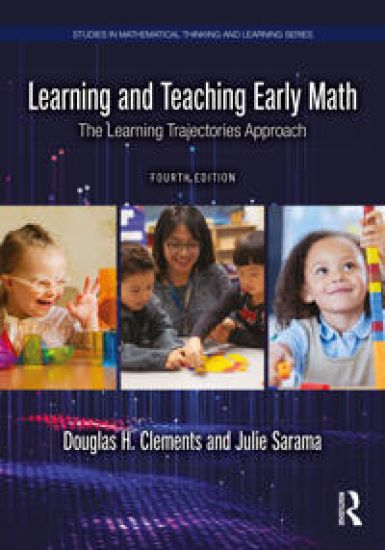
Learning and Teaching Early Math

Learning and Teaching Early Math

Douglas H. Clements; Julie Sarama

TAYLOR FRANCIS LTD
2026
nidottu
This definitive fourth edition synthesizes the research and wisdom of expert teachers on how young children learn mathematics on how effective teachers support their development with learning trajectories. The learning trajectories approach builds on what children know and can do, using activities tailored to develop the next level of thinking. By focusing on the inherent delight and curiosity behind young children’s mathematical reasoning, learning trajectories make teaching more joyful. Through helping teachers understand the varying levels of children’s thinking and learning, this approach allows teachers to better meet the learning needs of all children. This thoroughly revised edition builds on the comprehensive research base of past volumes while drawing on numerous new research studies, expanded international examples, and updated illustrations. Chapters are also more closely linked with Learning and Teaching with Learning Trajectories–[LT]²–an open-access, web-based tool that includes videos, interactive games, and practical classroom resources to help early childhood educators understand how children think and learn about mathematics. Ideal as a curriculum planning resource for mathematics administrators, leaders, a professional development resource for early math teachers, and as a resource for math methods courses, this book brings the authors' nationally recognized learning trajectories approach directly into your classroom.
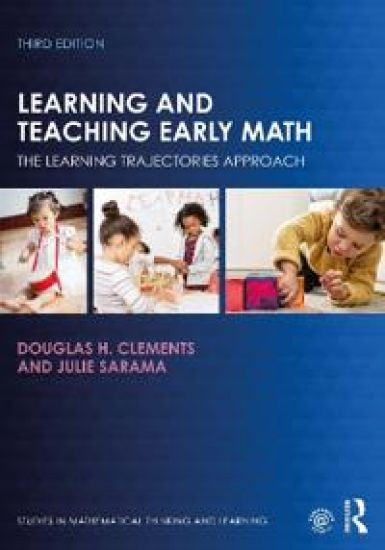
Learning and Teaching Early Math

Learning and Teaching Early Math

Douglas H. Clements; Julie Sarama

Routledge
2020
nidottu
The third edition of this significant and groundbreaking book summarizes current research into how young children learn mathematics and how best to develop foundational knowledge to realize more effective teaching. Using straightforward, practical language, early math experts Douglas Clements and Julie Sarama show how learning trajectories help teachers understand children’s level of mathematical understanding and lead to better teaching. By focusing on the inherent delight and curiosity behind young children’s mathematical reasoning, learning trajectories ultimately make teaching more joyous: helping teachers understand the varying levels of knowledge exhibited by individual students, it allows them to better meet the learning needs of all children. This thoroughly revised and contemporary third edition of Learning and Teaching Early Math remains the definitive, research-based resource to help teachers understand the learning trajectories of early mathematics and become confident, credible professionals. The new edition draws on numerous new research studies, offers expanded international examples, and includes updated illustrations throughout. This new edition is closely linked with Learning and Teaching with Learning Trajectories–[LT]²–an open-access, web-based tool for early childhood educators to learn about how children think and learn about mathematics. Head to LearningTrajectories.org for ongoing updates, interactive games, and practical tools that support classroom learning.
Learning and Teaching Early Math

Learning and Teaching Early Math

Douglas H. Clements; Julie Sarama

Routledge
2020
sidottu
The third edition of this significant and groundbreaking book summarizes current research into how young children learn mathematics and how best to develop foundational knowledge to realize more effective teaching. Using straightforward, practical language, early math experts Douglas Clements and Julie Sarama show how learning trajectories help teachers understand children’s level of mathematical understanding and lead to better teaching. By focusing on the inherent delight and curiosity behind young children’s mathematical reasoning, learning trajectories ultimately make teaching more joyous: helping teachers understand the varying levels of knowledge exhibited by individual students, it allows them to better meet the learning needs of all children. This thoroughly revised and contemporary third edition of Learning and Teaching Early Math remains the definitive, research-based resource to help teachers understand the learning trajectories of early mathematics and become confident, credible professionals. The new edition draws on numerous new research studies, offers expanded international examples, and includes updated illustrations throughout. This new edition is closely linked with Learning and Teaching with Learning Trajectories–[LT]²–an open-access, web-based tool for early childhood educators to learn about how children think and learn about mathematics. Head to LearningTrajectories.org for ongoing updates, interactive games, and practical tools that support classroom learning.
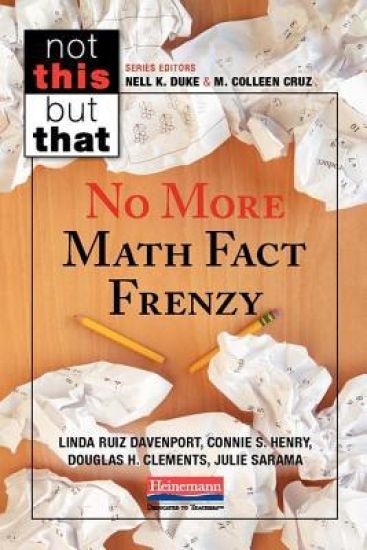
No More Math Fact Frenzy

No More Math Fact Frenzy

M. Colleen Cruz; Nell K. Duke; Douglas H. Clements

HEINEMANN EDUCATIONAL BOOKS
2019
nidottu
"Pencils ready? On your mark...get set...begin " Remember flipping over a page full of unrelated fact problems and scrambling to answer as many as possible in a minute? Remember trying to memorize math facts by rote? Many of our children are still asked to learn this way---even though research shows this approach can harm student learning more than help. Explore an effective, research-based approach to math fact instruction. No More Math Fact Frenzy examines this research and concludes that our approaches to math fact instruction are often ineffective. We want our students to know their math facts. We know they're better mathematicians when they're comfortable with them. Yet the ways we ask students to learn them in many classrooms remain unproductive. To address this, the authors outline three phases for helping students master their math facts. Building foundational concepts and strategies Learning more efficient reasoning strategies Meaningful, ongoing practice leading to full fact fluency Then they share recommendations for all three phrases: activities and games that build number sense, strategies that lead to flexible thinking, and ways to create and sustain a classroom culture of fluency. This kind of teaching helps students learn their math facts more successfully--and with less stress and anxiety. "When we emphasize foundation concepts and reasoning strategies as the path towards building authentic fluency, students can develop their number sense, articulate their thinking, and understand the reasoning of others." --Linda Ruiz Davenport, Connie S. Henry, Douglas H. Clements, and Julie Sarama
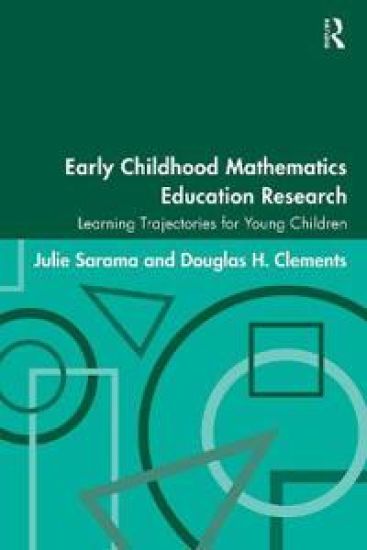
Early Childhood Mathematics Education Research

Early Childhood Mathematics Education Research

Julie Sarama; Douglas H. Clements

Routledge Member of the Taylor and Francis Group
2009
nidottu
This important new book synthesizes relevant research on the learning of mathematics from birth into the primary grades from the full range of these complementary perspectives. At the core of early math experts Julie Sarama and Douglas Clements's theoretical and empirical frameworks are learning trajectories—detailed descriptions of children’s thinking as they learn to achieve specific goals in a mathematical domain, alongside a related set of instructional tasks designed to engender those mental processes and move children through a developmental progression of levels of thinking. Rooted in basic issues of thinking, learning, and teaching, this groundbreaking body of research illuminates foundational topics on the learning of mathematics with practical and theoretical implications for all ages. Those implications are especially important in addressing equity concerns, as understanding the level of thinking of the class and the individuals within it, is key in serving the needs of all children.
Early Childhood Mathematics Education Research

Early Childhood Mathematics Education Research

Julie Sarama; Douglas H. Clements

Routledge Member of the Taylor and Francis Group
2009
sidottu
This important new book synthesizes relevant research on the learning of mathematics from birth into the primary grades from the full range of these complementary perspectives. At the core of early math experts Julie Sarama and Douglas Clements's theoretical and empirical frameworks are learning trajectories—detailed descriptions of children’s thinking as they learn to achieve specific goals in a mathematical domain, alongside a related set of instructional tasks designed to engender those mental processes and move children through a developmental progression of levels of thinking. Rooted in basic issues of thinking, learning, and teaching, this groundbreaking body of research illuminates foundational topics on the learning of mathematics with practical and theoretical implications for all ages. Those implications are especially important in addressing equity concerns, as understanding the level of thinking of the class and the individuals within it, is key in serving the needs of all children.