Kirjojen hintavertailu – 12 903 725 kirjaa ja 27 kauppaa
Kirjailija
Douglas Irvin-Erickson
Kirjat ja teokset yhdessä paikassa: 3 kirjaa, julkaisuja vuosilta 2016–2018, suosituimpiin kuuluu A Rhetorical Crime. Vertaile teosten hintoja ja tarkista saatavuus suomalaisista kirjakaupoista.
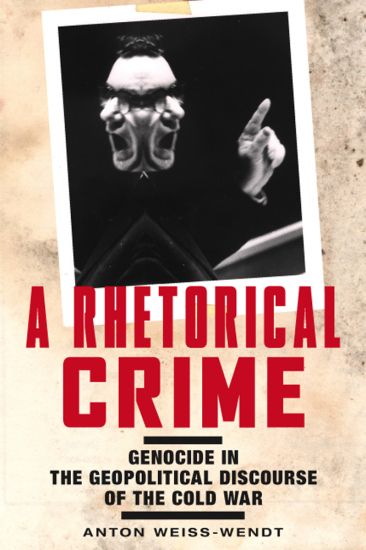
The Genocide Convention was drafted by the United Nations in the late 1940s, as a response to the horrors of the Second World War. But was the Genocide Convention truly effective at achieving its humanitarian aims, or did it merely exacerbate the divisive rhetoric of Cold War geopolitics? A Rhetorical Crime shows how genocide morphed from a legal concept into a political discourse used in propaganda battles between the United States and the Soviet Union. Over the course of the Cold War era, nearly eighty countries were accused of genocide, and yet there were few real-time interventions to stop the atrocities committed by genocidal regimes like the Cambodian Khmer Rouge. Renowned genocide scholar Anton Weiss-Wendt employs a unique comparative approach, analyzing the statements of Soviet and American politicians, historians, and legal scholars in order to deduce why their moral posturing far exceeded their humanitarian action.
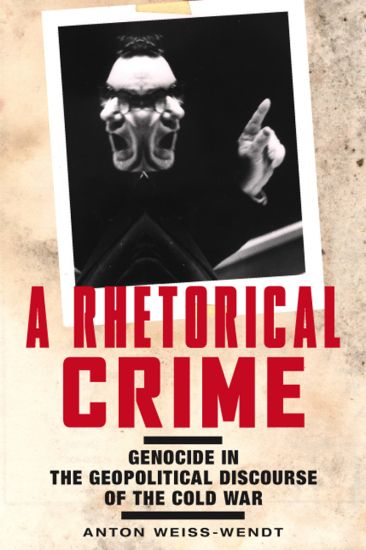
The Genocide Convention was drafted by the United Nations in the late 1940s, as a response to the horrors of the Second World War. But was the Genocide Convention truly effective at achieving its humanitarian aims, or did it merely exacerbate the divisive rhetoric of Cold War geopolitics? A Rhetorical Crime shows how genocide morphed from a legal concept into a political discourse used in propaganda battles between the United States and the Soviet Union. Over the course of the Cold War era, nearly eighty countries were accused of genocide, and yet there were few real-time interventions to stop the atrocities committed by genocidal regimes like the Cambodian Khmer Rouge. Renowned genocide scholar Anton Weiss-Wendt employs a unique comparative approach, analyzing the statements of Soviet and American politicians, historians, and legal scholars in order to deduce why their moral posturing far exceeded their humanitarian action.
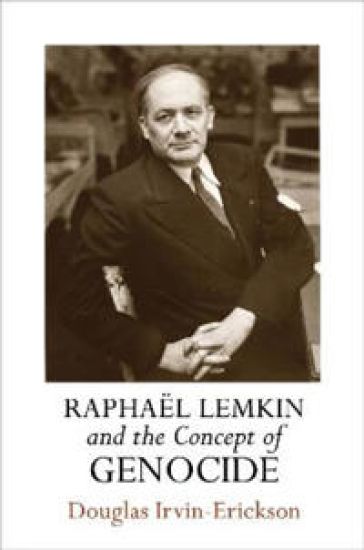
RaphaËl Lemkin (1900-1959) coined the word "genocide" in the winter of 1942 and led a movement in the United Nations to outlaw the crime, setting his sights on reimagining human rights institutions and humanitarian law after World War II. After the UN adopted the Convention on the Prevention and Punishment of the Crime of Genocide in 1948, Lemkin slipped into obscurity, and within a few short years many of the same governments that had agreed to outlaw genocide and draft a Universal Declaration of Human Rights tried to undermine these principles. This intellectual biography of one of the twentieth century's most influential theorists and human rights figures sheds new light on the origins of the concept and word "genocide," contextualizing Lemkin's intellectual development in interwar Poland and exploring the evolving connection between his philosophical writings, juridical works, and politics over the following decades. The book presents Lemkin's childhood experience of anti-Jewish violence in imperial Russia; his youthful arguments to expand the laws of war to protect people from their own governments; his early scholarship on Soviet criminal law and nationalities violence; his work in the 1930s to advance a rights-based approach to international law; his efforts in the 1940s to outlaw genocide; and his forays in the 1950s into a social-scientific and historical study of genocide, which he left unfinished. Revealing what the word "genocide" meant to people in the wake of World War II-as the USSR and Western powers sought to undermine the Genocide Convention at the UN, while delegations from small states and former colonies became the strongest supporters of Lemkin's law-RaphaËl Lemkin and the Concept of Genocide examines how the meaning of genocide changed over the decades and highlights the relevance of Lemkin's thought to our own time.